


Community hub
Recent from talks
Contribute something to knowledge base
Content stats: 0 posts, 0 articles, 1 media, 0 notes
Members stats: 0 subscribers, 0 contributors, 0 moderators, 0 supporters
Subscribers
Supporters
Contributors
Moderators
Hub AI
Tainan Air Group AI simulator
(@Tainan Air Group_simulator)
Hub AI
Tainan Air Group AI simulator
(@Tainan Air Group_simulator)
Tainan Air Group
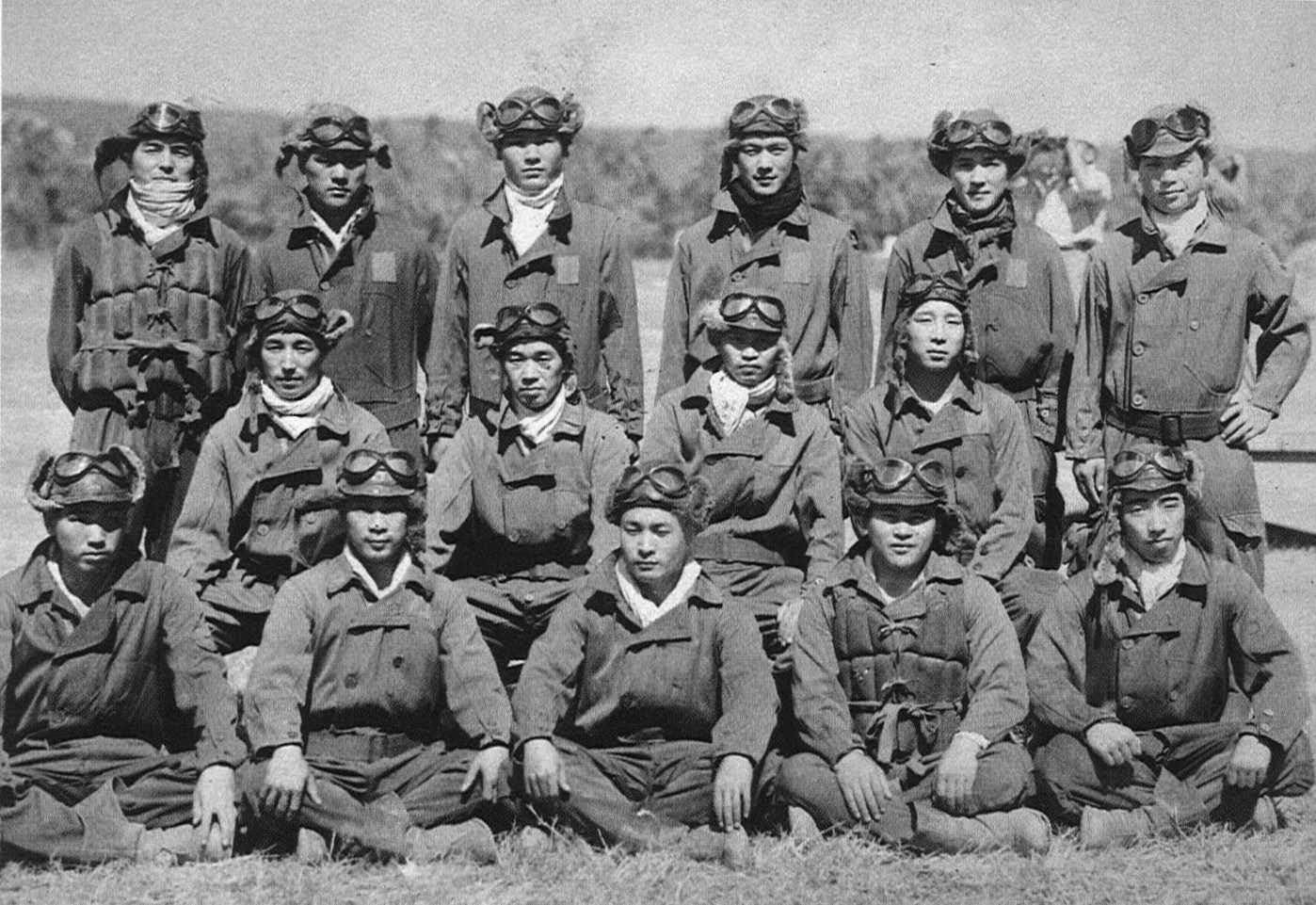
The Tainan Air Group (台南海軍航空隊, Tainan Kaigun Kōkūtai) was a fighter aircraft and airbase garrison unit of the Imperial Japanese Navy (IJN) during the Pacific campaign of World War II. The flying portion of the unit was heavily involved in many of the major campaigns and battles of the first year of the war. The exploits of the unit were widely publicized in the Japanese media at the time, at least in part because the unit spawned more aces than any other fighter unit in the IJN. Several of the unit's aces were among the IJN's top scorers, and included Hiroyoshi Nishizawa, Saburō Sakai, Junichi Sasai, Watari Handa, Masaaki Shimakawa, and Toshio Ōta.
The unit was formed at Tainan, Taiwan (then part of the Empire of Japan) on October 1, 1941 as part of the 23rd Air Flotilla. The unit's first commander was Captain Hiroshi Higuchi, who was relieved by Commander Masahisa Saito on 4 October 1941. Most of the unit's original pilots were veterans of aerial combat in the Second Sino-Japanese War. Just before the outbreak of war with the Allied powers, the unit consisted of 45 A6M Zero and 12 Type 96 fighter aircraft.
On 8 December 1941 forty-four Tainan aircraft escorted IJN bombers in attacks on US aircraft at Iba and Clark airfields on Luzon in the Philippines, a distance of 500 miles each way. The attacks almost completely destroyed General Douglas MacArthur's air forces. On 10 December Tainan Zeros shot down the B-17 bomber piloted by Colin Kelly. Later that month, the unit redeployed to the Philippines and continued to support Japanese forces as they overran and destroyed the territory's American and Filipino defenses.
The Tainan Naval Air Group then moved to Tarakan Island, followed by moves to Balikpapan and Denpasar, Bali to support the successful Japanese offensive into the Dutch East Indies beginning in January 1942. The unit's fighters helped inflict heavy losses on defending Allied aircraft in January and February 1942.
With the end of the campaign in March, the unit was integrated into the 25th Air Flotilla and redeployed to recently captured Rabaul, New Britain and Lae, Papua New Guinea in April. As of 25 April 1942, due to operational and combat losses, the Tainan Air Group, now under the command of Captain Masahisa Saitō, counted 26 Zero and 6 Type 96 "Claude" fighters.
The unit initially concentrated its aircraft at Lae to support an air campaign against the Australian and American forces stationed at Port Moresby. Between April and July, the Tainan Air Group flew 51 missions, totalling 602 sorties. During this time, the unit claimed to have destroyed 300 enemy aircraft. The Tainan's losses were 20 aircraft. Replacement aircraft gave the unit a total of 24 Zeros by August 1942, flown by 55 pilots. Because of the surplus in aircrew, only the most experienced pilots were allowed to fly combat missions.
On August 7, United States Marines landed on Japanese-occupied Guadalcanal, initiating the Guadalcanal Campaign. In response that same day, 18 Tainan fighters escorted bombers from Rabaul for an attack on the Allied invasion fleet, the longest fighter mission of the war (556 miles each way) to that date. The Tainan claimed to have destroyed 43 enemy aircraft over Guadalcanal on that mission while losing two fighters with their pilots themselves. The Americans actually lost 10 aircraft, including nine of 18 fighters present, plus one dive bomber. The two Tainan pilots killed on this mission were Petty Officer First Class Yoshida and Petty Officer Second Class Nishiura
One significant Tainan casualty over Guadalcanal that day was Saburō Sakai, who was seriously injured and forced into a two-year recuperation. The US Marines on August 8 captured an airfield (later called Henderson Field) under construction by the Japanese on Guadalcanal which was soon operational with Allied aircraft.
Tainan Air Group
The Tainan Air Group (台南海軍航空隊, Tainan Kaigun Kōkūtai) was a fighter aircraft and airbase garrison unit of the Imperial Japanese Navy (IJN) during the Pacific campaign of World War II. The flying portion of the unit was heavily involved in many of the major campaigns and battles of the first year of the war. The exploits of the unit were widely publicized in the Japanese media at the time, at least in part because the unit spawned more aces than any other fighter unit in the IJN. Several of the unit's aces were among the IJN's top scorers, and included Hiroyoshi Nishizawa, Saburō Sakai, Junichi Sasai, Watari Handa, Masaaki Shimakawa, and Toshio Ōta.
The unit was formed at Tainan, Taiwan (then part of the Empire of Japan) on October 1, 1941 as part of the 23rd Air Flotilla. The unit's first commander was Captain Hiroshi Higuchi, who was relieved by Commander Masahisa Saito on 4 October 1941. Most of the unit's original pilots were veterans of aerial combat in the Second Sino-Japanese War. Just before the outbreak of war with the Allied powers, the unit consisted of 45 A6M Zero and 12 Type 96 fighter aircraft.
On 8 December 1941 forty-four Tainan aircraft escorted IJN bombers in attacks on US aircraft at Iba and Clark airfields on Luzon in the Philippines, a distance of 500 miles each way. The attacks almost completely destroyed General Douglas MacArthur's air forces. On 10 December Tainan Zeros shot down the B-17 bomber piloted by Colin Kelly. Later that month, the unit redeployed to the Philippines and continued to support Japanese forces as they overran and destroyed the territory's American and Filipino defenses.
The Tainan Naval Air Group then moved to Tarakan Island, followed by moves to Balikpapan and Denpasar, Bali to support the successful Japanese offensive into the Dutch East Indies beginning in January 1942. The unit's fighters helped inflict heavy losses on defending Allied aircraft in January and February 1942.
With the end of the campaign in March, the unit was integrated into the 25th Air Flotilla and redeployed to recently captured Rabaul, New Britain and Lae, Papua New Guinea in April. As of 25 April 1942, due to operational and combat losses, the Tainan Air Group, now under the command of Captain Masahisa Saitō, counted 26 Zero and 6 Type 96 "Claude" fighters.
The unit initially concentrated its aircraft at Lae to support an air campaign against the Australian and American forces stationed at Port Moresby. Between April and July, the Tainan Air Group flew 51 missions, totalling 602 sorties. During this time, the unit claimed to have destroyed 300 enemy aircraft. The Tainan's losses were 20 aircraft. Replacement aircraft gave the unit a total of 24 Zeros by August 1942, flown by 55 pilots. Because of the surplus in aircrew, only the most experienced pilots were allowed to fly combat missions.
On August 7, United States Marines landed on Japanese-occupied Guadalcanal, initiating the Guadalcanal Campaign. In response that same day, 18 Tainan fighters escorted bombers from Rabaul for an attack on the Allied invasion fleet, the longest fighter mission of the war (556 miles each way) to that date. The Tainan claimed to have destroyed 43 enemy aircraft over Guadalcanal on that mission while losing two fighters with their pilots themselves. The Americans actually lost 10 aircraft, including nine of 18 fighters present, plus one dive bomber. The two Tainan pilots killed on this mission were Petty Officer First Class Yoshida and Petty Officer Second Class Nishiura
One significant Tainan casualty over Guadalcanal that day was Saburō Sakai, who was seriously injured and forced into a two-year recuperation. The US Marines on August 8 captured an airfield (later called Henderson Field) under construction by the Japanese on Guadalcanal which was soon operational with Allied aircraft.
Recent media
Recent media