
Recent from talks
Tam Dalyell
Knowledge base stats:
Talk channels stats:
Members stats:
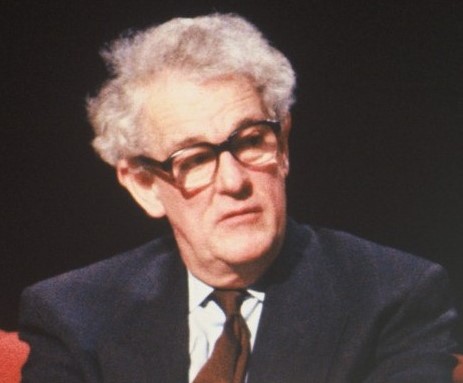
Tam Dalyell
Sir Thomas Dalyell, 11th Baronet FRSGS (/diˈɛl/ ⓘ dee-EL; 9 August 1932 – 26 January 2017), known as Tam Dalyell, was a Scottish politician who served as Member of Parliament (MP) for Linlithgow (formerly West Lothian) from 1962 to 2005. A member of the Labour Party, he was best known for formulating what came to be known as the "West Lothian question", on whether non-English MPs should be able to vote upon English-only matters after political devolution. He was also known for his staunch anti-war views, opposing the Falklands War, the Gulf War, the War in Afghanistan and the Iraq War.
Dalyell was born in Edinburgh, and raised in the family home of his mother Eleanor Dalyell, the Binns, near Linlithgow, West Lothian; his father Gordon Loch CIE (1887–1953) was a colonial civil servant and a scion of the Loch family. Highland Clearances facilitator James Loch (1780–1855) was an ancestral uncle. Loch (and his son) took his wife's surname in 1938, and through his mother Dalyell inherited the baronetcy of Dalyell, but he never used the title.
Dalyell was educated at the Edinburgh Academy and Eton College. He did his national service with the Royal Scots Greys from 1950 to 1952, as an ordinary trooper, after failing his officer training. He then went to King's College, Cambridge, to study mathematics, but switched to history. He became chairman of the Cambridge University Conservative Association and vice-president of the Cambridge Union Society. Cambridge economist Joan Robinson encouraged him to stay for a year after completing his history degree to take an additional degree in economics, which he did and later described as "the hardest work I ever did, much harder than being a PPS". He then trained as a teacher at Moray House College in Edinburgh and taught at Bo'ness Academy for three years, and was Director of Studies on the ship school Dunera from 1961 to 1962.
In 1969 Dalyell became a columnist for New Scientist magazine, contributing Westminster Scene (later Westminster Diary) until his retirement in 2005. This provided "a conduit for researchers to speak to Parliament and vice versa", covering many subjects of public concern including industrial diseases, data protection, chemical weapons and the environment.
Having been educated by left-wing economists at Cambridge, Dalyell said that he became a socialist because of the level of unemployment in Scotland. He joined the Labour Party in 1956, following the Suez Crisis. After being unsuccessful as a parliamentary candidate for Roxburgh, Selkirk and Peebles in 1959, he became a Member of Parliament in June 1962, when he defeated William Wolfe of the Scottish National Party in a hard-fought by-election for West Lothian. From 1983 onwards, he represented Linlithgow (when the new town of Livingston formed its own constituency) and easily retained the seat. He became Father of the House after the 2001 general election, when Former Prime Minister Edward Heath retired from the House of Commons. He was a nominated Member of the European Parliament from 1975 to 1979, and a member of the Labour National Executive from 1986 to 1987 representing the Campaign group.
Dalyell's independent stance in Parliament ensured his isolation from significant committees and jobs. His early career was promising and he became parliamentary private secretary (PPS) to Richard Crossman. He annoyed a number of ministers and was heavily censured by the Privileges Committee for a leak about the biological weapons research establishment, Porton Down, to the newspapers (though he said that he thought the draft minutes of the Select Committee on Science and Technology were in the public domain). When Labour were defeated in 1970, his chances of senior office were effectively over. He was opposed to Scottish devolution and was the first to come up with the "West Lothian question", although it was actually named by Conservative MP Enoch Powell. He continued to argue his own causes: in 1978–79, he voted against his own government over 100 times, despite a three-line whip.
In the 1990s, Dalyell asked the Lord Advocate, Lord Rodger of Earlsferry, to grant diplomatic immunity to Lester Coleman, a co-author of Trail of the Octopus, so that he could give evidence in the Lockerbie bombing trial in Scotland; the US Government had indictments against Coleman, accusing him of passport fraud and perjury. Allan Stewart, a former Scottish Office minister and Conservative MP for Eastwood, also said that Coleman should be granted immunity so he could testify in Scotland. The Lord Advocate rejected Dalyell's plea, saying that the Home Office and the English courts had jurisdiction over the demand of the US government's extradition demand regarding Coleman, and that the Crown Office and the Scottish Office had no authority over the case. Dalyell later said, "I had contact with Les Coleman 10 years ago. In my opinion, though he has a chequered history, I take him seriously."
Dalyell was vocal in his disapproval of actions he deemed imperialistic. Beginning with his opposition to Britain becoming involved in the Indonesia–Malaysia confrontation in 1965, he contested almost every British military intervention, arguing against Britain's involvement in the Aden Emergency, the Falklands War (especially the sinking of the General Belgrano), the Gulf War (where he declared Kuwait to be "the 19th bloody state of Iraq"), the Kosovo War and the 2003 invasion of Iraq. "I will resist a war with every sinew in my body", he said. Dalyell was also a supporter of the Chagossians in their campaign to return to Diego Garcia after being expelled in 1968. When invited by a television journalist to rank Tony Blair among the eight Prime Ministers he had observed as a parliamentarian, he cited Blair's policies in Kosovo and Iraq as reasons for placing his party leader at the bottom of the list. He was also a strong presence in Parliament concerning Libya and led no fewer than 17 adjournment debates on the Lockerbie bombing, in which he repeatedly demanded answers by the Government to the reports of Hans Köchler, United Nations observer at the Lockerbie trial.
Hub AI
Tam Dalyell AI simulator
(@Tam Dalyell_simulator)
Tam Dalyell
Sir Thomas Dalyell, 11th Baronet FRSGS (/diˈɛl/ ⓘ dee-EL; 9 August 1932 – 26 January 2017), known as Tam Dalyell, was a Scottish politician who served as Member of Parliament (MP) for Linlithgow (formerly West Lothian) from 1962 to 2005. A member of the Labour Party, he was best known for formulating what came to be known as the "West Lothian question", on whether non-English MPs should be able to vote upon English-only matters after political devolution. He was also known for his staunch anti-war views, opposing the Falklands War, the Gulf War, the War in Afghanistan and the Iraq War.
Dalyell was born in Edinburgh, and raised in the family home of his mother Eleanor Dalyell, the Binns, near Linlithgow, West Lothian; his father Gordon Loch CIE (1887–1953) was a colonial civil servant and a scion of the Loch family. Highland Clearances facilitator James Loch (1780–1855) was an ancestral uncle. Loch (and his son) took his wife's surname in 1938, and through his mother Dalyell inherited the baronetcy of Dalyell, but he never used the title.
Dalyell was educated at the Edinburgh Academy and Eton College. He did his national service with the Royal Scots Greys from 1950 to 1952, as an ordinary trooper, after failing his officer training. He then went to King's College, Cambridge, to study mathematics, but switched to history. He became chairman of the Cambridge University Conservative Association and vice-president of the Cambridge Union Society. Cambridge economist Joan Robinson encouraged him to stay for a year after completing his history degree to take an additional degree in economics, which he did and later described as "the hardest work I ever did, much harder than being a PPS". He then trained as a teacher at Moray House College in Edinburgh and taught at Bo'ness Academy for three years, and was Director of Studies on the ship school Dunera from 1961 to 1962.
In 1969 Dalyell became a columnist for New Scientist magazine, contributing Westminster Scene (later Westminster Diary) until his retirement in 2005. This provided "a conduit for researchers to speak to Parliament and vice versa", covering many subjects of public concern including industrial diseases, data protection, chemical weapons and the environment.
Having been educated by left-wing economists at Cambridge, Dalyell said that he became a socialist because of the level of unemployment in Scotland. He joined the Labour Party in 1956, following the Suez Crisis. After being unsuccessful as a parliamentary candidate for Roxburgh, Selkirk and Peebles in 1959, he became a Member of Parliament in June 1962, when he defeated William Wolfe of the Scottish National Party in a hard-fought by-election for West Lothian. From 1983 onwards, he represented Linlithgow (when the new town of Livingston formed its own constituency) and easily retained the seat. He became Father of the House after the 2001 general election, when Former Prime Minister Edward Heath retired from the House of Commons. He was a nominated Member of the European Parliament from 1975 to 1979, and a member of the Labour National Executive from 1986 to 1987 representing the Campaign group.
Dalyell's independent stance in Parliament ensured his isolation from significant committees and jobs. His early career was promising and he became parliamentary private secretary (PPS) to Richard Crossman. He annoyed a number of ministers and was heavily censured by the Privileges Committee for a leak about the biological weapons research establishment, Porton Down, to the newspapers (though he said that he thought the draft minutes of the Select Committee on Science and Technology were in the public domain). When Labour were defeated in 1970, his chances of senior office were effectively over. He was opposed to Scottish devolution and was the first to come up with the "West Lothian question", although it was actually named by Conservative MP Enoch Powell. He continued to argue his own causes: in 1978–79, he voted against his own government over 100 times, despite a three-line whip.
In the 1990s, Dalyell asked the Lord Advocate, Lord Rodger of Earlsferry, to grant diplomatic immunity to Lester Coleman, a co-author of Trail of the Octopus, so that he could give evidence in the Lockerbie bombing trial in Scotland; the US Government had indictments against Coleman, accusing him of passport fraud and perjury. Allan Stewart, a former Scottish Office minister and Conservative MP for Eastwood, also said that Coleman should be granted immunity so he could testify in Scotland. The Lord Advocate rejected Dalyell's plea, saying that the Home Office and the English courts had jurisdiction over the demand of the US government's extradition demand regarding Coleman, and that the Crown Office and the Scottish Office had no authority over the case. Dalyell later said, "I had contact with Les Coleman 10 years ago. In my opinion, though he has a chequered history, I take him seriously."
Dalyell was vocal in his disapproval of actions he deemed imperialistic. Beginning with his opposition to Britain becoming involved in the Indonesia–Malaysia confrontation in 1965, he contested almost every British military intervention, arguing against Britain's involvement in the Aden Emergency, the Falklands War (especially the sinking of the General Belgrano), the Gulf War (where he declared Kuwait to be "the 19th bloody state of Iraq"), the Kosovo War and the 2003 invasion of Iraq. "I will resist a war with every sinew in my body", he said. Dalyell was also a supporter of the Chagossians in their campaign to return to Diego Garcia after being expelled in 1968. When invited by a television journalist to rank Tony Blair among the eight Prime Ministers he had observed as a parliamentarian, he cited Blair's policies in Kosovo and Iraq as reasons for placing his party leader at the bottom of the list. He was also a strong presence in Parliament concerning Libya and led no fewer than 17 adjournment debates on the Lockerbie bombing, in which he repeatedly demanded answers by the Government to the reports of Hans Köchler, United Nations observer at the Lockerbie trial.
Recent media