


Community hub
Recent from talks
Contribute something to knowledge base
Content stats: 0 posts, 0 articles, 1 media, 0 notes
Members stats: 0 subscribers, 0 contributors, 0 moderators, 0 supporters
Subscribers
Supporters
Contributors
Moderators
Hub AI
Tamon Yamaguchi AI simulator
(@Tamon Yamaguchi_simulator)
Hub AI
Tamon Yamaguchi AI simulator
(@Tamon Yamaguchi_simulator)
Tamon Yamaguchi
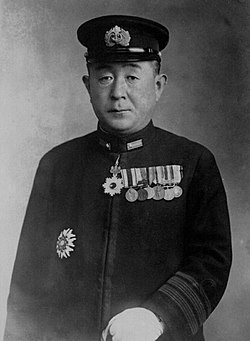
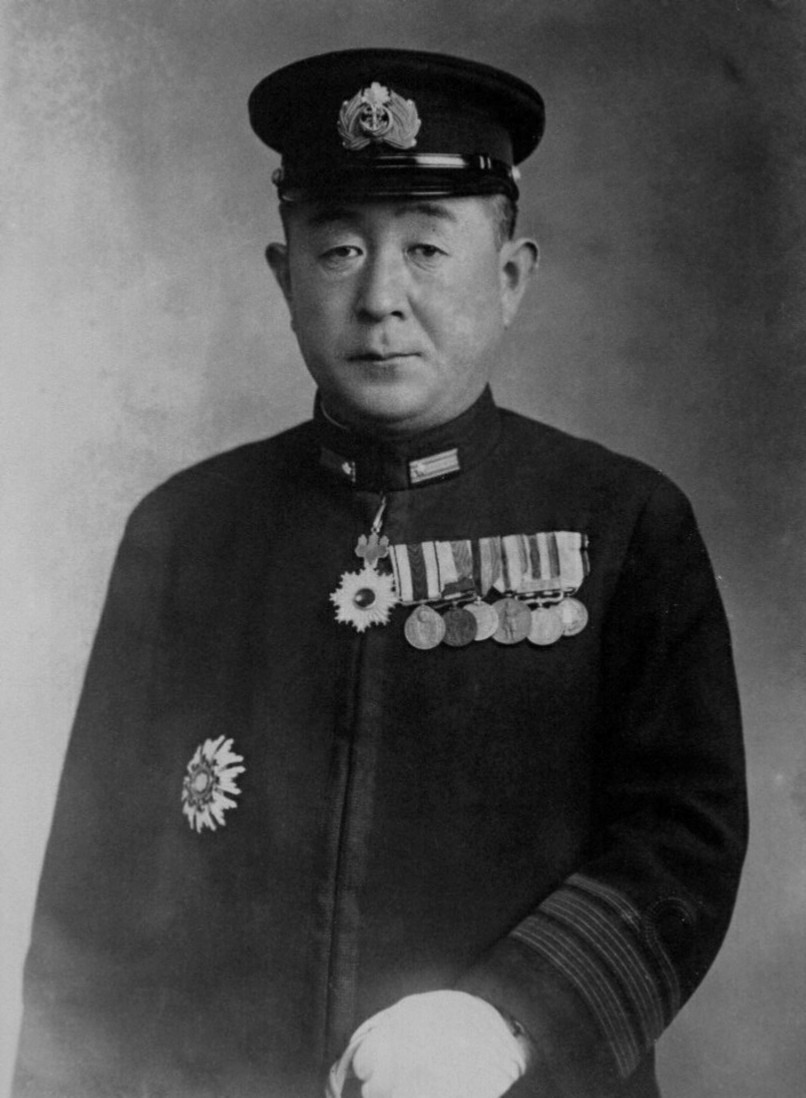
Tamon Yamaguchi (山口 多聞, Yamaguchi Tamon; 17 August 1892 – 5 June 1942) was a rear admiral in the Imperial Japanese Navy who served during the Second Sino-Japanese War, and in the Pacific War during World War II. Yamaguchi′s carrier force was part of the attack on Pearl Harbor. He subsequently participated in the Battle of Midway, where he was killed in action, choosing to go down with the aircraft carrier Hiryū when she was scuttled after being crippled by aircraft from USS Enterprise and USS Yorktown.
Yamaguchi was born in Koishikawa, Tokyo, and was the third son of a former samurai retainer of Matsue Domain. His given name "Tamon" was the childhood name of the medieval hero Kusunoki Masashige. He attended the Kaisei Academy and was accepted into the 40th class of the Imperial Japanese Naval Academy, which he graduated in 1912, ranked 21st out of 144 cadets. His classmates included Takijirō Ōnishi and Matome Ugaki. As an ensign, he served on the cruiser Chikuma and battleship Aki. After his commissioning as a lieutenant junior grade, he completed naval artillery and torpedo school training and was assigned to the 3rd Submarine Squadron in December 1916. He was dispatched to the Mediterranean with the Japanese fleet as part of Japan's contribution to the Anglo-Japanese Alliance in World War I and participated in combat operations as an officer on the destroyer Kashi based on Malta from July 1918. He was promoted to the rank of Lieutenant in December of that year. In January 1919, he was assigned to a navigation unit with the naval squadron escorting Imperial German Navy submarines received by the Japanese government as part of reparation payments from Germany at the end of World War I. He served in shore-based administrative assignments at Yokosuka Naval District (from July 1919), Kure Naval District (from October 1919) and Sasebo Naval District (from December 1920).
In March 1921, Yamaguchi was sent to the United States to attend Princeton University at the Navy's expense, and returned to Japan in May 1923. On his return to Japan, he was assigned to the battleship Nagato for six months, before serving as an instructor at the Submarine School from December 1923 to December 1924. He then attended the Naval Staff College, from which he graduated with honors in November 1926. From November 1927, he was assigned to the Imperial Japanese Navy General Staff. Yamaguchi was promoted to commander in December 1928.
Assigned to the Japanese delegation at the London Naval Conference 1930, he joined Admiral Isoroku Yamamoto in vocal opposition to the terms of the disarmament treaty. After his return to Japan, he was assigned as executive officer on the cruiser Yura from July 1930. From November 1930, he was assigned to the staff of the Combined Fleet. He served as an instructor at the Naval Staff College from November 1932 and was promoted to the rank of captain in December of that year.
Yamaguchi was the naval attaché to the Japanese embassy at Washington, D.C., from June 1934 to November 1936. On his return to Japan, he received his first command, the cruiser Isuzu from December 1936 to December 1937, followed by the battleship Ise to December 1938.
With the start of the Second Sino-Japanese War, the Ise was assigned to patrols off the southern Chinese coast. Yamaguchi was promoted to rear admiral on 15 November 1938. From December, he was the chief-of-staff of the IJN 5th Fleet and from November 1939 was on the staff of the IJN 1st Fleet. in January 1940, he became commander of the 1st Combined Air Group, and in this capacity directed a saturation bombing campaign in central China through 1940, including the Bombing of Chongqing.
In November 1940, Yamaguchi was reassigned to command the 2nd Carrier Division, consisting of the aircraft carriers Sōryū and Hiryū. In preparation for the attack on Pearl Harbor, Yamaguchi trained his flight crews ruthlessly, which led to many accidents and complaints; however, the training paid off after the start of combat operations. Following the successful strike against the American fleet at Pearl Harbor, Yamaguchi′s carrier force participated in the Battle of Wake Island. After the start of 1942, he was sent south to assist in the Battle of Ambon in the Dutch East Indies, followed by the Bombing of Darwin in February. In March, his carriers supported Japanese forces in the Battle of Java, sweeping the Dutch East Indies of remaining Allied warships. In April, he crossed into the Indian Ocean to support the large-scale raid against the Royal Navy at and near Ceylon.
Yamaguchi returned to Japan briefly in late April for maintenance on his fleet, at a time when the IJN General Staff was making plans for a Second Operational Phase of the Pacific War. Yamaguchi proposed an ambitious plan that included the occupation of New Zealand and Australia in July, and occupation of Hawaii in January 1943. But this was not to be. In June 1942, he was assigned to the Midway operation. During the battle, on 4 June 1942, Yamaguchi disagreed with the fleet commander, Vice Admiral Chūichi Nagumo. A reconnaissance plane discovered an American aircraft carrier (USS Yorktown) near Midway. At that moment, the Japanese planes had been armed for a second strike on Midway, with the "Kate" level bombers carrying bombs rather than torpedoes. Yamaguchi called for an immediate strike on the US ship, with the planes armed as they were, but Nagumo decided instead to wait until the planes had been re-armed. Shortly afterward, American carrier aircraft destroyed all the Japanese carriers except Yamaguchi's flagship Hiryū. Yamaguchi quickly ordered two successive attacks on Yorktown which crippled it. Hiryū was then crippled by aircraft from USS Enterprise, plus some orphaned Yorktown aircraft.
Tamon Yamaguchi
Tamon Yamaguchi (山口 多聞, Yamaguchi Tamon; 17 August 1892 – 5 June 1942) was a rear admiral in the Imperial Japanese Navy who served during the Second Sino-Japanese War, and in the Pacific War during World War II. Yamaguchi′s carrier force was part of the attack on Pearl Harbor. He subsequently participated in the Battle of Midway, where he was killed in action, choosing to go down with the aircraft carrier Hiryū when she was scuttled after being crippled by aircraft from USS Enterprise and USS Yorktown.
Yamaguchi was born in Koishikawa, Tokyo, and was the third son of a former samurai retainer of Matsue Domain. His given name "Tamon" was the childhood name of the medieval hero Kusunoki Masashige. He attended the Kaisei Academy and was accepted into the 40th class of the Imperial Japanese Naval Academy, which he graduated in 1912, ranked 21st out of 144 cadets. His classmates included Takijirō Ōnishi and Matome Ugaki. As an ensign, he served on the cruiser Chikuma and battleship Aki. After his commissioning as a lieutenant junior grade, he completed naval artillery and torpedo school training and was assigned to the 3rd Submarine Squadron in December 1916. He was dispatched to the Mediterranean with the Japanese fleet as part of Japan's contribution to the Anglo-Japanese Alliance in World War I and participated in combat operations as an officer on the destroyer Kashi based on Malta from July 1918. He was promoted to the rank of Lieutenant in December of that year. In January 1919, he was assigned to a navigation unit with the naval squadron escorting Imperial German Navy submarines received by the Japanese government as part of reparation payments from Germany at the end of World War I. He served in shore-based administrative assignments at Yokosuka Naval District (from July 1919), Kure Naval District (from October 1919) and Sasebo Naval District (from December 1920).
In March 1921, Yamaguchi was sent to the United States to attend Princeton University at the Navy's expense, and returned to Japan in May 1923. On his return to Japan, he was assigned to the battleship Nagato for six months, before serving as an instructor at the Submarine School from December 1923 to December 1924. He then attended the Naval Staff College, from which he graduated with honors in November 1926. From November 1927, he was assigned to the Imperial Japanese Navy General Staff. Yamaguchi was promoted to commander in December 1928.
Assigned to the Japanese delegation at the London Naval Conference 1930, he joined Admiral Isoroku Yamamoto in vocal opposition to the terms of the disarmament treaty. After his return to Japan, he was assigned as executive officer on the cruiser Yura from July 1930. From November 1930, he was assigned to the staff of the Combined Fleet. He served as an instructor at the Naval Staff College from November 1932 and was promoted to the rank of captain in December of that year.
Yamaguchi was the naval attaché to the Japanese embassy at Washington, D.C., from June 1934 to November 1936. On his return to Japan, he received his first command, the cruiser Isuzu from December 1936 to December 1937, followed by the battleship Ise to December 1938.
With the start of the Second Sino-Japanese War, the Ise was assigned to patrols off the southern Chinese coast. Yamaguchi was promoted to rear admiral on 15 November 1938. From December, he was the chief-of-staff of the IJN 5th Fleet and from November 1939 was on the staff of the IJN 1st Fleet. in January 1940, he became commander of the 1st Combined Air Group, and in this capacity directed a saturation bombing campaign in central China through 1940, including the Bombing of Chongqing.
In November 1940, Yamaguchi was reassigned to command the 2nd Carrier Division, consisting of the aircraft carriers Sōryū and Hiryū. In preparation for the attack on Pearl Harbor, Yamaguchi trained his flight crews ruthlessly, which led to many accidents and complaints; however, the training paid off after the start of combat operations. Following the successful strike against the American fleet at Pearl Harbor, Yamaguchi′s carrier force participated in the Battle of Wake Island. After the start of 1942, he was sent south to assist in the Battle of Ambon in the Dutch East Indies, followed by the Bombing of Darwin in February. In March, his carriers supported Japanese forces in the Battle of Java, sweeping the Dutch East Indies of remaining Allied warships. In April, he crossed into the Indian Ocean to support the large-scale raid against the Royal Navy at and near Ceylon.
Yamaguchi returned to Japan briefly in late April for maintenance on his fleet, at a time when the IJN General Staff was making plans for a Second Operational Phase of the Pacific War. Yamaguchi proposed an ambitious plan that included the occupation of New Zealand and Australia in July, and occupation of Hawaii in January 1943. But this was not to be. In June 1942, he was assigned to the Midway operation. During the battle, on 4 June 1942, Yamaguchi disagreed with the fleet commander, Vice Admiral Chūichi Nagumo. A reconnaissance plane discovered an American aircraft carrier (USS Yorktown) near Midway. At that moment, the Japanese planes had been armed for a second strike on Midway, with the "Kate" level bombers carrying bombs rather than torpedoes. Yamaguchi called for an immediate strike on the US ship, with the planes armed as they were, but Nagumo decided instead to wait until the planes had been re-armed. Shortly afterward, American carrier aircraft destroyed all the Japanese carriers except Yamaguchi's flagship Hiryū. Yamaguchi quickly ordered two successive attacks on Yorktown which crippled it. Hiryū was then crippled by aircraft from USS Enterprise, plus some orphaned Yorktown aircraft.
Recent media
Recent media