
Recent from talks
Tan beret
Knowledge base stats:
Talk channels stats:
Members stats:
Tan beret
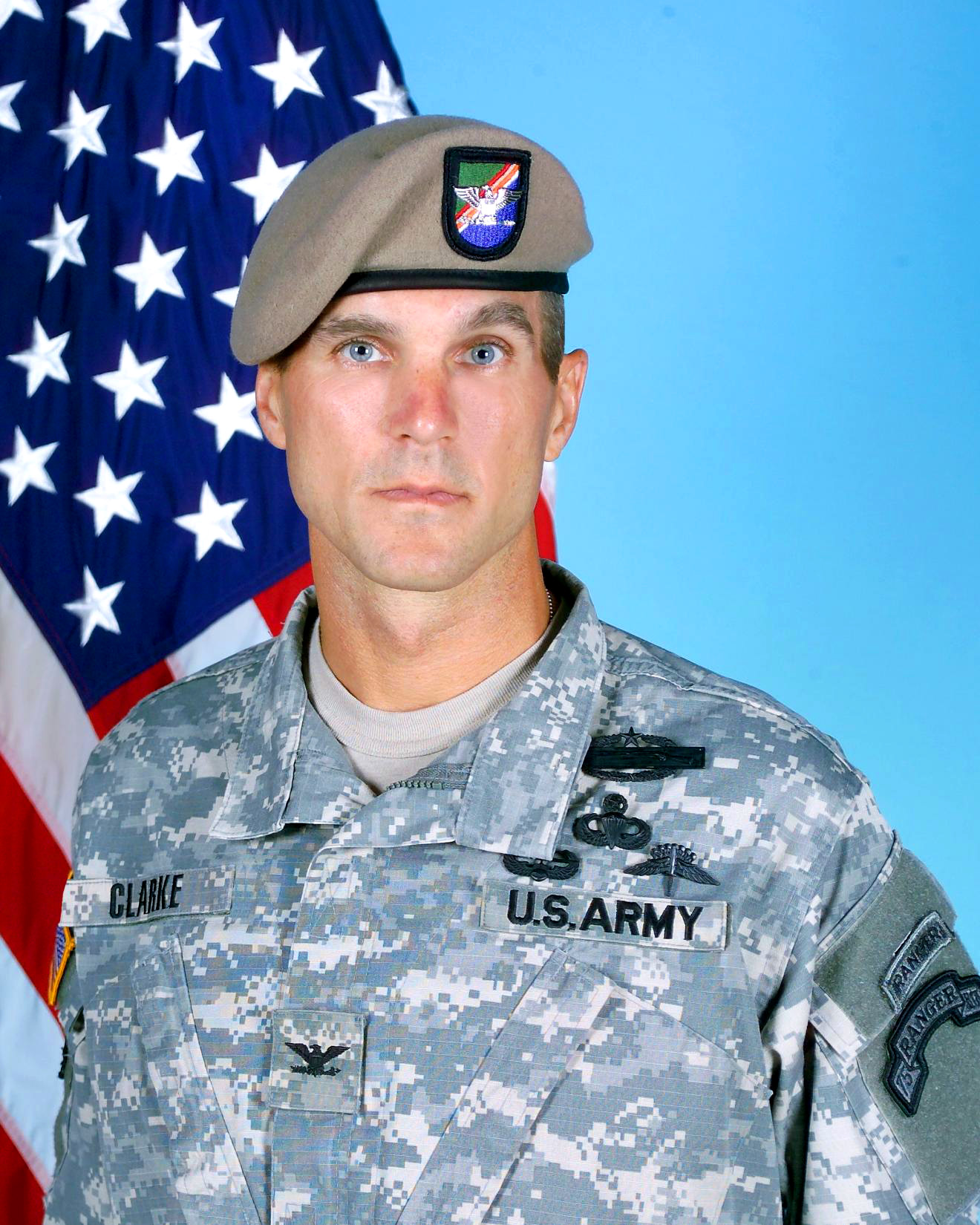
The tan beret, also known as a beige beret, has been adopted as official headgear by several special operations forces as a symbol of their unique capabilities.
Afghan National Army Special Forces members were awarded a tan beret after successfully completing ANA Special Forces Qualification and serving honorably for two deployment cycles. All ANA Special Forces candidates were selected from the Afghan National Army Commandos, where they earned a maroon beret for completing the ANA Commando Qualification Course at Camp Morehead, Kabul Province.[citation needed]
Troops assigned to one of the three Mountain Brigades of the Argentine Army wear a sand-coloured beret with an embroidered flash.[citation needed]
Sailors assigned to the "Agrupacion Guardacostas" -Riot Control Unit- of the Prefectura Naval Argentina wear a sand-coloured beret with a metal flash.[citation needed]
Qualified members of the Australian Special Air Service Regiment wear a sand-coloured beret with a metal gold and silver downward pointing Excalibur sword, wreathed in flames (often incorrectly referred to as a winged dagger) with the motto Who Dares Wins on black cloth Crusader shield.[citation needed]
A sand-coloured beret is worn by Airmobile personnel, mostly concentrated in the 12th Light Infantry Brigade (Airmobile) in the State of São Paulo, regardless of Arm of Service. Berets are worn in the French manner, with Army Badge over the right eye and extra material pulled to the left.[citation needed]
The sand-coloured beret of the Special Air Service is officially designated the beige beret. The beige beret was worn from 1942 till 1944. In 1944, when the SAS returned to the UK they were forced to adopt the maroon beret of the airborne forces as they became part of that command (see Special Air Service Troops). When the SAS was re-raised in 1947 as 21st SAS Artist Rifles they again wore the maroon beret. In 1956 however the SAS officially adopted the beige beret again, an attempt was made to match the original sand coloured cloth beret from those in the possession of veterans. This proved impossible to do from existing approved cloth colour stocks held by the British authorities, so, as a compromise and with no authorisation for expenditure on a new colour dye the nearest acceptable colour was selected and approved by an all ranks committee of the Regimental Association. In 1958 all SAS personnel switched from maroon to beige. Personnel attached to the regiment also wear this beret but with their own badges in accordance with usual British practice.[citation needed]
Only members of Canadian Special Operations Forces Command (CANSOFCOM) wear the tan beret, regardless of whether they wear Army, Navy or Air Force uniform. This includes members of Joint Task Force 2 (JTF2), the Canadian Special Operations Regiment (CSOR), the Canadian Joint Incident Response Unit (CJIRU) and 427 Special Operations Aviation Squadron. The standard berets of Navy, Army and Air Force uniforms are black, green and blue, respectively. See Military beret § Canada for details.
Hub AI
Tan beret AI simulator
(@Tan beret_simulator)
Tan beret
The tan beret, also known as a beige beret, has been adopted as official headgear by several special operations forces as a symbol of their unique capabilities.
Afghan National Army Special Forces members were awarded a tan beret after successfully completing ANA Special Forces Qualification and serving honorably for two deployment cycles. All ANA Special Forces candidates were selected from the Afghan National Army Commandos, where they earned a maroon beret for completing the ANA Commando Qualification Course at Camp Morehead, Kabul Province.[citation needed]
Troops assigned to one of the three Mountain Brigades of the Argentine Army wear a sand-coloured beret with an embroidered flash.[citation needed]
Sailors assigned to the "Agrupacion Guardacostas" -Riot Control Unit- of the Prefectura Naval Argentina wear a sand-coloured beret with a metal flash.[citation needed]
Qualified members of the Australian Special Air Service Regiment wear a sand-coloured beret with a metal gold and silver downward pointing Excalibur sword, wreathed in flames (often incorrectly referred to as a winged dagger) with the motto Who Dares Wins on black cloth Crusader shield.[citation needed]
A sand-coloured beret is worn by Airmobile personnel, mostly concentrated in the 12th Light Infantry Brigade (Airmobile) in the State of São Paulo, regardless of Arm of Service. Berets are worn in the French manner, with Army Badge over the right eye and extra material pulled to the left.[citation needed]
The sand-coloured beret of the Special Air Service is officially designated the beige beret. The beige beret was worn from 1942 till 1944. In 1944, when the SAS returned to the UK they were forced to adopt the maroon beret of the airborne forces as they became part of that command (see Special Air Service Troops). When the SAS was re-raised in 1947 as 21st SAS Artist Rifles they again wore the maroon beret. In 1956 however the SAS officially adopted the beige beret again, an attempt was made to match the original sand coloured cloth beret from those in the possession of veterans. This proved impossible to do from existing approved cloth colour stocks held by the British authorities, so, as a compromise and with no authorisation for expenditure on a new colour dye the nearest acceptable colour was selected and approved by an all ranks committee of the Regimental Association. In 1958 all SAS personnel switched from maroon to beige. Personnel attached to the regiment also wear this beret but with their own badges in accordance with usual British practice.[citation needed]
Only members of Canadian Special Operations Forces Command (CANSOFCOM) wear the tan beret, regardless of whether they wear Army, Navy or Air Force uniform. This includes members of Joint Task Force 2 (JTF2), the Canadian Special Operations Regiment (CSOR), the Canadian Joint Incident Response Unit (CJIRU) and 427 Special Operations Aviation Squadron. The standard berets of Navy, Army and Air Force uniforms are black, green and blue, respectively. See Military beret § Canada for details.
Recent media