
Recent from talks
Targum
Knowledge base stats:
Talk channels stats:
Members stats:
Targum
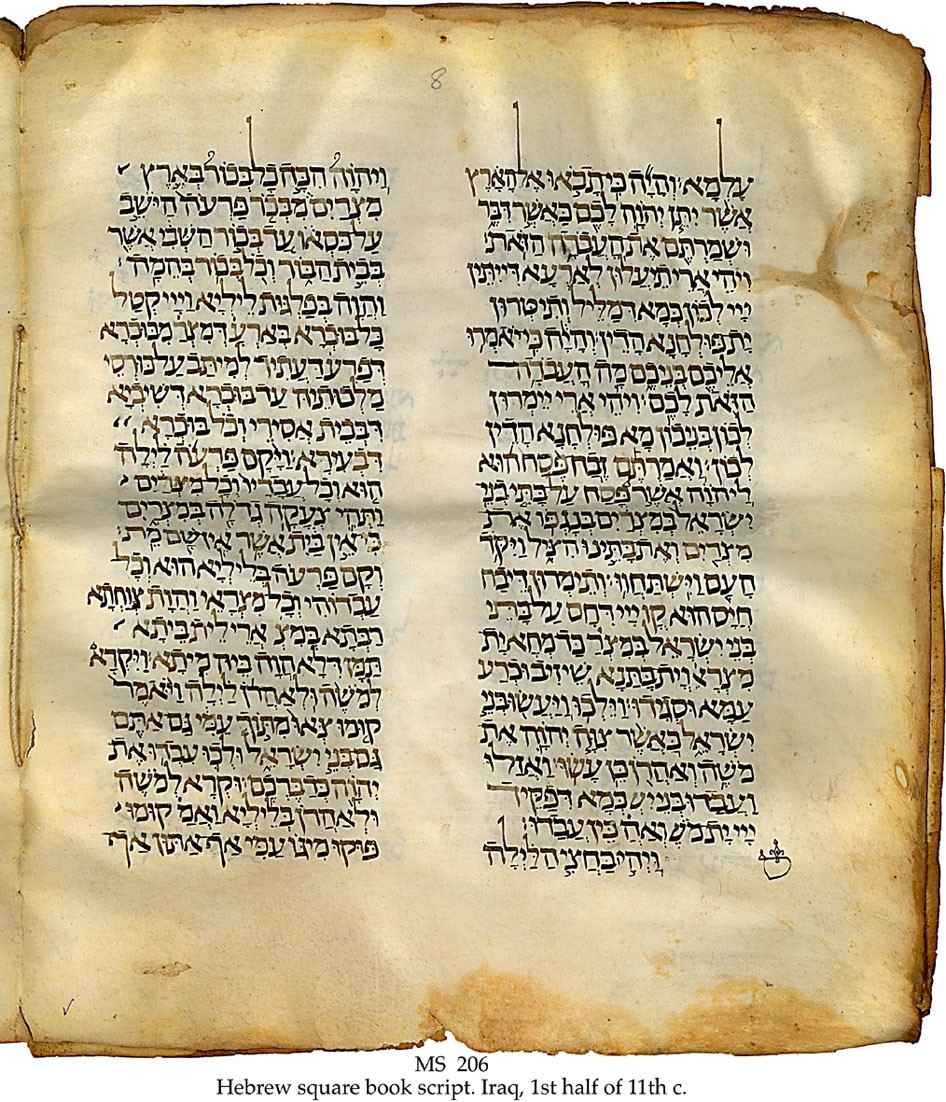
A targum (Imperial Aramaic: תרגום, interpretation, translation, version; plural: targumim) was an originally spoken translation of the Hebrew Bible (also called the Hebrew: תַּנַ״ךְ, romanized: Tana"kh) that a professional translator (מְתוּרגְמָן mǝṯurgǝmān) would give in the common language of the listeners when that was not Biblical Hebrew. This had become necessary near the end of the first century BCE, as the common language was Aramaic, while Hebrew was used for little more than schooling and worship. The translator frequently expanded his translation with paraphrases, explanations and examples, so it became a kind of sermon.
Writing down the targum was initially prohibited; nevertheless, some targumitic writings appeared as early as the middle of the first century. They were not recognized as authoritative by the religious leaders. Some subsequent Jewish traditions, beginning with the Jews of Lower Mesopotamia, accepted the written targumim as authoritative translations of the Hebrew scriptures into Aramaic. Today, the common meaning of targum is a written Aramaic translation of the Bible. Only Yemenite Jews continue to use the targumim liturgically.
As translations, the targumim largely reflect midrashic interpretation of the Tanakh from the time they were written and are notable for favoring allegorical readings over anthropomorphisms. Maimonides, for one, notes this often in The Guide for the Perplexed. That is true both for those targums that are fairly literal as well as for those that contain many midrashic expansions. In 1541, Elia Levita wrote and published the Sefer Meturgeman, explaining all the Aramaic words found in the Targums Onqelos, Jonathan, and pseudo-Jonathan.
Targumim are used today as sources in text-critical editions of the Bible (Biblia Hebraica Stuttgartensia refers to them with the abbreviation 𝔗).
The noun "Targum" is derived from the early semitic quadriliteral root תרגם (trgm), and the Akkadian term targummanu refers to "translator, interpreter". It occurs in Ezra 4:7 "a letter written in Aramaic and translated." Besides denoting the translations of the Bible, "targum" also denoted the oral rendering of Bible lections in synagogue, while the translator of the Bible was simply called hammeturgem (he who translates). Other than the meaning "translate", the verb tirgem also means "to explain". Targum refers to "translation" and argumentation or "explanation".
The two most important targumim for liturgical purposes are:
These two targumim are mentioned in the Babylonian Talmud as targum dilan ("our Targum"), giving them official status. In the synagogues of Talmudic times, Targum Onkelos was read alternately with the Torah, verse by verse, and Targum Jonathan was read alternately with the selection from Nevi'im (i.e., the haftara), though in the case of Nevi'im it was permitted to translate in units of up to three verses. This custom continues today in Yemenite Jewish synagogues.
Besides its public function in the synagogue, the Babylonian Talmud also mentions targum in the context of a personal study requirement: "A person should always review his portions of scripture along with the community, reading the scripture twice and the targum once" (Berakhot 8a–b). This, too, refers to Targum Onkelos on the public Torah reading and to Targum Jonathan on the haftarot from Nevi'im.[citation needed]
Hub AI
Targum AI simulator
(@Targum_simulator)
Targum
A targum (Imperial Aramaic: תרגום, interpretation, translation, version; plural: targumim) was an originally spoken translation of the Hebrew Bible (also called the Hebrew: תַּנַ״ךְ, romanized: Tana"kh) that a professional translator (מְתוּרגְמָן mǝṯurgǝmān) would give in the common language of the listeners when that was not Biblical Hebrew. This had become necessary near the end of the first century BCE, as the common language was Aramaic, while Hebrew was used for little more than schooling and worship. The translator frequently expanded his translation with paraphrases, explanations and examples, so it became a kind of sermon.
Writing down the targum was initially prohibited; nevertheless, some targumitic writings appeared as early as the middle of the first century. They were not recognized as authoritative by the religious leaders. Some subsequent Jewish traditions, beginning with the Jews of Lower Mesopotamia, accepted the written targumim as authoritative translations of the Hebrew scriptures into Aramaic. Today, the common meaning of targum is a written Aramaic translation of the Bible. Only Yemenite Jews continue to use the targumim liturgically.
As translations, the targumim largely reflect midrashic interpretation of the Tanakh from the time they were written and are notable for favoring allegorical readings over anthropomorphisms. Maimonides, for one, notes this often in The Guide for the Perplexed. That is true both for those targums that are fairly literal as well as for those that contain many midrashic expansions. In 1541, Elia Levita wrote and published the Sefer Meturgeman, explaining all the Aramaic words found in the Targums Onqelos, Jonathan, and pseudo-Jonathan.
Targumim are used today as sources in text-critical editions of the Bible (Biblia Hebraica Stuttgartensia refers to them with the abbreviation 𝔗).
The noun "Targum" is derived from the early semitic quadriliteral root תרגם (trgm), and the Akkadian term targummanu refers to "translator, interpreter". It occurs in Ezra 4:7 "a letter written in Aramaic and translated." Besides denoting the translations of the Bible, "targum" also denoted the oral rendering of Bible lections in synagogue, while the translator of the Bible was simply called hammeturgem (he who translates). Other than the meaning "translate", the verb tirgem also means "to explain". Targum refers to "translation" and argumentation or "explanation".
The two most important targumim for liturgical purposes are:
These two targumim are mentioned in the Babylonian Talmud as targum dilan ("our Targum"), giving them official status. In the synagogues of Talmudic times, Targum Onkelos was read alternately with the Torah, verse by verse, and Targum Jonathan was read alternately with the selection from Nevi'im (i.e., the haftara), though in the case of Nevi'im it was permitted to translate in units of up to three verses. This custom continues today in Yemenite Jewish synagogues.
Besides its public function in the synagogue, the Babylonian Talmud also mentions targum in the context of a personal study requirement: "A person should always review his portions of scripture along with the community, reading the scripture twice and the targum once" (Berakhot 8a–b). This, too, refers to Targum Onkelos on the public Torah reading and to Targum Jonathan on the haftarot from Nevi'im.[citation needed]
Recent media