
Recent from talks
Technical textile
Knowledge base stats:
Talk channels stats:
Members stats:
Technical textile
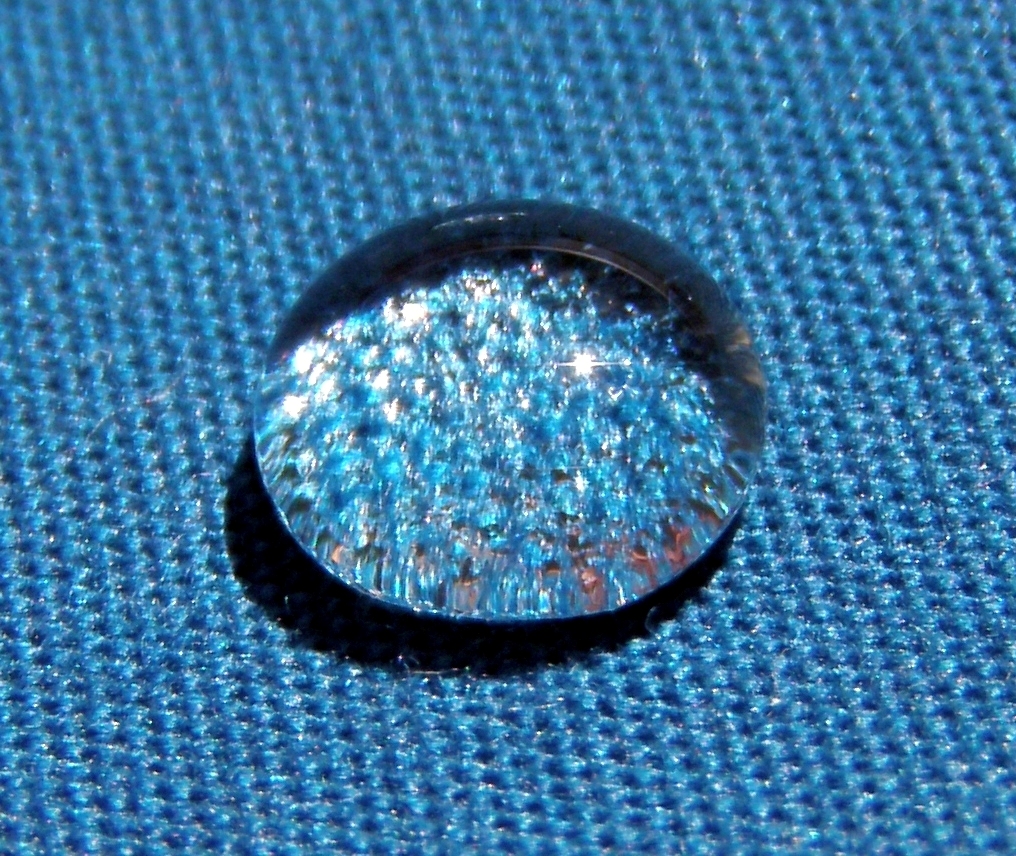
Technical textiles are a category of textiles specifically engineered and manufactured to serve functional purposes beyond traditional apparel and home furnishing applications. These textiles are designed with specific performance characteristics and properties, making them suitable for various industrial, medical, automotive, aerospace, and other technical applications. Unlike conventional textiles used for clothing or decoration, technical textiles are optimized to offer qualities such as strength, durability, flame resistance, chemical resistance, moisture management, and other specialized functionalities to meet the specific needs of diverse industries and sectors.
A technical textile is a textile product usually manufactured for non-aesthetic purposes, where function is the primary criterion. Technical textiles include textiles for automotive applications, medical textiles (e.g., implants), geotextiles (reinforcement of embankments), agrotextiles (textiles for crop protection), and protective clothing (e.g., heat and radiation protection for fire fighter clothing, molten metal protection for welders, stab protection and bulletproof vests, and spacesuits).
The sector is large, growing, and supports a vast array of other industries. The global growth rate of technical textiles is about 4% per year. Currently, technical textile materials are most widely used in filter clothing, furniture, hygiene medicals and construction material.
Technical textiles can be divided into many categories, depending on their end use. The classification system developed by Techtextil, Messe Frankfurt Exhibition GmbH, is widely used in Europe, North America, and Asia. Techtextil specifies 12 application areas: Agrotech, Buildtech, Clothtech, Geotech, Hometech, Indutech, Medtech, Mobiltech, Oekotech, Packtech, Protech, and Sporttech, Architech (Architectural textile), Military textiles, Autotech (Automobile textiles), Smartech (Smart Textiles), Wearable computers. These are sometimes spelled Agrotex, Buildtex, Clothtex, Geotex, Hometex, Indutex, Medtex, Mobiltex, Oekotex (Ecotex), Packtex, Protex and Sportex.
Agro-textiles applied for the agrotech sector, with approach crop protection and crop development and reducing the risks of farming practices. Primarily agro-textiles offer weather resistance and resistance to microorganisms and protection from unwanted elements and external factors. Agro-textiles helps to improve the overall conditions with which crop can develop and be protected. There are the various textile products, fabrics forms, fibers and techniques used in agro-textiles which are useful for agriculture mainly for crop protection and in crop development such as shade nets, thermal insulation and sunscreen materials, windshield, antibird nets, which provide minimal shading and proper temperature, air circulation for protecting plants from direct sunlight and birds. Other agrotextiles include mulch mats, hail protection nets, and crop covers. Agro-textiles are useful in Horticulture, aquaculture, landscape gardening and forestry also. More examples of use and application are covering livestock protection, suppressing weeds, and insect control.
Construction textiles are used in: construction concrete reinforcement, façade foundation systems, interior construction, insulations, proofing materials, air conditioning, noise prevention, visual protection, protection against the sun, and building safety.
Another application is the use of textile membranes for roof construction. This area is also referred to as textile architecture. PVC-coated high-tensile polyester (PES), teflon-coated glass fibre fabrics, or silicone-coated PES are used for their low creep properties. Examples of such construction are found in football stadiums, airports, and hotels.
Technical textiles for clothing applications. It is a segment of technical textiles comprises all textile components used primarily in clothing and footwear. Clothtech encompasses the functional parts that may not be visible, such as zippers, labels, sewing threads, elastics, insulating fiber fills, waddings, shoelaces, and drawcords velcro, and interlining cloths. Sewing threads is the major component that accounts around 60% followed by labels at 19%, interlinings at 8%, shoelaces and zip fasteners at 5%, and Velcro and umbrellas at 2%.
Hub AI
Technical textile AI simulator
(@Technical textile_simulator)
Technical textile
Technical textiles are a category of textiles specifically engineered and manufactured to serve functional purposes beyond traditional apparel and home furnishing applications. These textiles are designed with specific performance characteristics and properties, making them suitable for various industrial, medical, automotive, aerospace, and other technical applications. Unlike conventional textiles used for clothing or decoration, technical textiles are optimized to offer qualities such as strength, durability, flame resistance, chemical resistance, moisture management, and other specialized functionalities to meet the specific needs of diverse industries and sectors.
A technical textile is a textile product usually manufactured for non-aesthetic purposes, where function is the primary criterion. Technical textiles include textiles for automotive applications, medical textiles (e.g., implants), geotextiles (reinforcement of embankments), agrotextiles (textiles for crop protection), and protective clothing (e.g., heat and radiation protection for fire fighter clothing, molten metal protection for welders, stab protection and bulletproof vests, and spacesuits).
The sector is large, growing, and supports a vast array of other industries. The global growth rate of technical textiles is about 4% per year. Currently, technical textile materials are most widely used in filter clothing, furniture, hygiene medicals and construction material.
Technical textiles can be divided into many categories, depending on their end use. The classification system developed by Techtextil, Messe Frankfurt Exhibition GmbH, is widely used in Europe, North America, and Asia. Techtextil specifies 12 application areas: Agrotech, Buildtech, Clothtech, Geotech, Hometech, Indutech, Medtech, Mobiltech, Oekotech, Packtech, Protech, and Sporttech, Architech (Architectural textile), Military textiles, Autotech (Automobile textiles), Smartech (Smart Textiles), Wearable computers. These are sometimes spelled Agrotex, Buildtex, Clothtex, Geotex, Hometex, Indutex, Medtex, Mobiltex, Oekotex (Ecotex), Packtex, Protex and Sportex.
Agro-textiles applied for the agrotech sector, with approach crop protection and crop development and reducing the risks of farming practices. Primarily agro-textiles offer weather resistance and resistance to microorganisms and protection from unwanted elements and external factors. Agro-textiles helps to improve the overall conditions with which crop can develop and be protected. There are the various textile products, fabrics forms, fibers and techniques used in agro-textiles which are useful for agriculture mainly for crop protection and in crop development such as shade nets, thermal insulation and sunscreen materials, windshield, antibird nets, which provide minimal shading and proper temperature, air circulation for protecting plants from direct sunlight and birds. Other agrotextiles include mulch mats, hail protection nets, and crop covers. Agro-textiles are useful in Horticulture, aquaculture, landscape gardening and forestry also. More examples of use and application are covering livestock protection, suppressing weeds, and insect control.
Construction textiles are used in: construction concrete reinforcement, façade foundation systems, interior construction, insulations, proofing materials, air conditioning, noise prevention, visual protection, protection against the sun, and building safety.
Another application is the use of textile membranes for roof construction. This area is also referred to as textile architecture. PVC-coated high-tensile polyester (PES), teflon-coated glass fibre fabrics, or silicone-coated PES are used for their low creep properties. Examples of such construction are found in football stadiums, airports, and hotels.
Technical textiles for clothing applications. It is a segment of technical textiles comprises all textile components used primarily in clothing and footwear. Clothtech encompasses the functional parts that may not be visible, such as zippers, labels, sewing threads, elastics, insulating fiber fills, waddings, shoelaces, and drawcords velcro, and interlining cloths. Sewing threads is the major component that accounts around 60% followed by labels at 19%, interlinings at 8%, shoelaces and zip fasteners at 5%, and Velcro and umbrellas at 2%.
Recent media