Hubbry Logo
TercioTercioMain
Open search
Tercio
Community hub
Tercio
logo
8 pages, 0 posts
0 subscribers
Be the first to start a discussion here.
Tercio
Tercio
from Wikipedia
Spanish Tercios
Founded1 January 1534; 491 years ago (1534-01-01) (de jure establishment)
CountrySpain
See details
TypeInfantry
RoleClose combat
Hand-to-hand combat
Hedgehog defence
Pike square
Raiding
Volley fire
Part ofSpanish Armed Forces
PatronFerdinand II
Charles V, Holy Roman Emperor
Philip II of Spain
Philip III of Spain
Philip IV of Spain
Charles II of Spain
Charles VI, Holy Roman Emperor
MottosSpain my nature, Italy my fortune, Flanders my grave[citation needed]
EquipmentArquebuses, muskets, and pikes
Commanders
Gran CapitánGonzalo Fernández de Córdoba
ComandanteJohn of Austria[1]
Emmanuel Philibert, Duke of Savoy[2]
Insignia
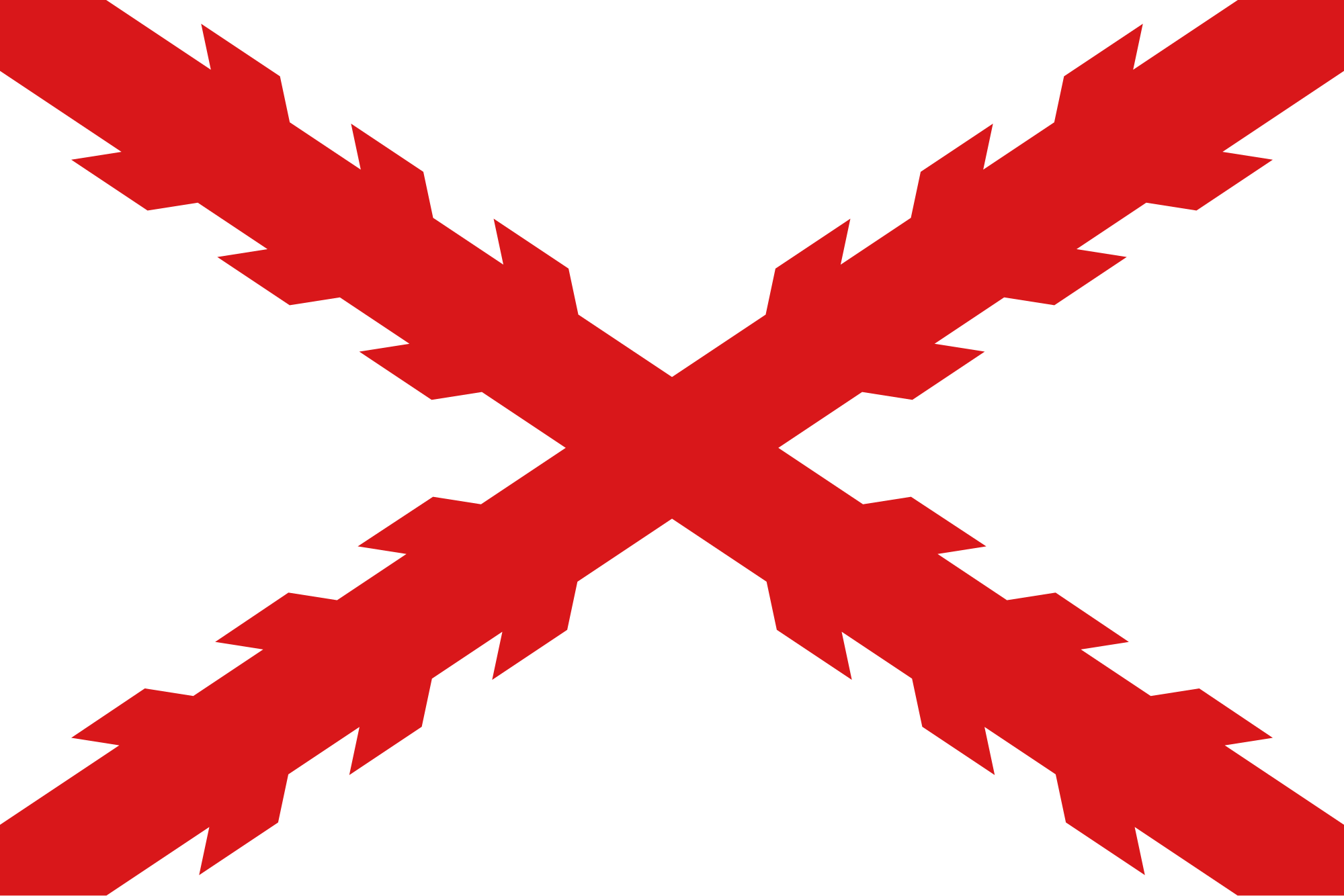
War flag

A tercio (pronounced [ˈteɾθjo]), Spanish for "[a] third") was a military unit of the Spanish Army during the reign of the Catholic Monarchs of Spain and Habsburg Spain in the early modern period. They were the elite military units of the Spanish monarchy and essential pieces of the powerful land forces of the Spanish Empire, sometimes also fighting along with the navy. These forces were among the most dominant in the European battlefields for more than a century and a half.[3]

The Spanish tercios were some of the finest and most influential professional infantry forces in the world due to the effectiveness of their battlefield formations, and were the crucial step in the formation of modern European armies, made up of professional volunteers, instead of levies raised for a campaign or hired mercenaries typically used by other European countries of the time.[4][5]

The internal administrative organization of the tercios and their battlefield formations and tactics grew out of the innovations of Gonzalo Fernández de Córdoba during the conquest of Granada and the Italian Wars in the 1490s and 1500s, being among the first to effectively mix pikes and firearms (arquebuses). The tercios marked a rebirth of the use of infantry forces comparable to the Macedonian phalanxes and the Roman legions.[6] Such formations distinguished themselves in famous battles such as the Battle of Bicocca (1522) and the Battle of Pavia (1525). Following their formal establishment in 1534, the reputation of the tercio was built upon their effective training and high proportion of "old soldiers" (veteranos), in conjunction with the particular elan imparted by the lower nobility who commanded them. The tercios were finally replaced by other regiments in the early eighteenth century.

From 1920, the name of tercio was given to the formations of the newly created Spanish Legion, professional units then created to fight colonial wars in North Africa, similar to the French Foreign Legion. These formations were actually regiments bearing the name of tercio as an honorary title.

History

[edit]
Surrender of Breda, by Velázquez, shows Ambrosio Spinola (at right), commander of a Spanish tercio, receiving the keys to the city from a defeated Dutch general in 1625.
Tercios disembarking, 1583

During the Granada War (1482–1491), the soldiers of the Catholic Monarchs of Spain were divided into three classes: pikemen (modelled after the Swiss), swordsmen with shields, and crossbowmen supplemented with an early firearm, the arquebus.[citation needed] As shields disappeared and firearms replaced crossbows, Spain won victory after victory in Italy against powerful French armies, starting under the leadership of Gonzalo Fernández de Córdoba (1453–1515), nicknamed El Gran Capitán (The Great Captain).[7] The military organizational and tactical changes made by Córdoba to the armies of Spanish monarchs are seen as the precursors of the tercios and their methods of warfare.[citation needed] The combat effectiveness of the Spanish pike and shot armies pioneered by Córdoba was based on an armament system that effectively united the pike with the compact firepower of the arquebus. An advantage of the Spanish pike and shot formation over its inspiration, the Swiss compact frame, was its ability to divide into mobile units and even individual melee units without the loss of cohesion.[citation needed]

Initially, the term tercio denoted not a combat unit, but an administrative unit under a general staff, commanding garrisons throughout Italy for battles on various distant fronts.[8] This peculiar character was maintained when it mobilized to fight the Protestant rebels in Flanders. Command of a tercio and its companies of soldiers was granted directly by the king, and companies could easily be added or removed and moved between tercios.[citation needed] By the middle of the 17th century, the tercios began to be raised by nobles at their own expense, patrons who appointed the captains and were effective owners of the units, as in other contemporaneous European armies.

From the conquest of Granada in 1492 to the campaigns of El Gran Capitán in the kingdom of Naples in 1495, three ordinances laid the foundations of Spanish military administration. In 1503, the Great Ordinance reflected the adoption of the long pike and the distribution of infantry in specialized companies.[citation needed] In 1534, the first official tercio was created, that of Lombardy, and a year later it helped in the conquest of the Duchy of Milan. The tercios of Naples and Sicily were created in 1536, thanks to the Genoa ordinance of Charles V.[9][10]

At the Battle of Mühlberg in 1547, the imperial troops of Charles V defeated a league of Protestant princes in Germany, thanks mainly to the action of the Spanish tercios.[citation needed] In 1557, the Spanish army completely defeated the French at the Battle of San Quentin, and again in 1558 at Gravelines, which led to a peace greatly favoring Spain. In all these battles, the effectiveness of the tercio units stood out.

The origin of the term tercio is doubtful. Some historians believe the name was inspired by the tercía, a Roman Legion of Hispania.[citation needed] Some[who?] think that it designated the threefold division of the Spanish forces in Italy. Others[who?] trace it to the three types of combatants (pikemen, harquebusiers, musketeers). According to an ordinance for "people of war" of 1497, where the formation of the infantry is changed into three parts.

The pawns [the infantry] were divided into three parts. The one tercio with spears, as the Germans brought them, which they called pikes; and the other had the name of shields [people of swords]; and the other, of crossbowmen and spit bearers. [later replaced by arquebusiers].

Yet others[who?] derive the name from the three thousand men mustered in the first units. This last explanation is supported by the field master Sancho de Londoño in a report to the Duke of Alba in the 16th century:

The tercios, although they were instituted in imitation of the [Roman] legions, in few things can be compared to them, that the number is half, and although formerly there were three thousand soldiers, for which they were called tercios and not legions, already it is said like this even if they do not have more than a thousand men.[11]

Composition and characteristics

[edit]
A bastioned square in battle

Although other powers adopted the battle formations and tactics perfected by the tercios, their armies fell short of the fearsome reputation of the Spanish army, which possessed a core of experienced professional soldiers.[12] This army was further supplemented by "an army of different nations", a reference to the varied origins of the troops from the German and Italian states, the Spanish Netherlands, and smaller units from other countries such as Ireland. In 1621, for example, of the 47 military units of the Spanish army, counting together the larger Spanish, Spanish Netherlands, and Italian tercios, and the much smaller German, Burgundian, and Irish regiments,[13] only seven were manned by troops of Spanish origin.[14] Such international musters were characteristic of European warfare before the levies of the Napoleonic Wars. However, the core Spanish troops were Spanish subjects, admired for their cohesiveness, superior discipline, and overall professionalism.[15]

Organization

[edit]

Initially, each tercio that served in Italy and the Spanish Netherlands was organized into:

  • 10 companies of 300 soldiers each led by captains, in which
    • 8 were pikemen's companies
    • 2 were of arquebusier companies

The companies were later reduced to 250 men and the ratio of arquebusiers (later musketmen) to pikemen steadily increased.

During the early actions in the Netherlands, the tercios were reorganized into three coronelias ("colonelcies"), led by coronels ("colonels") each composed of a headquarters unit and four companies each (the predecessor of today's battalions), but as a whole continued to be subdivided into the same 10 companies of 250 personnel each: two of arquebusiers and 8 of pikemen. Colonels were also of royal appointment.

Staff

[edit]
Organization of a tercio
Schematic depiction of the pikemen's combat drill.

Company

[edit]

Leadership of the tercio

[edit]
Soldiers of a tercio: a pikeman, a standard-bearer and a musketeer

Similar to military organization today, a tercio was led by a maestre de campo (commanding officer) appointed by the king, with a guard of eight halberdiers. Assisting the maestre was the sergeant major and a furir major in charge of logistics and armaments. Companies were led by a captain (also royally appointed), with an ensign in charge of the company color.

The company non-commissioned officers were sergeants, furrieles (furirs) and corporals. A sergeant served as second-in-command of a company and transmitted the captain's orders; furrieles provided weapons and munitions, as well as additional manpower; corporals led groups of 25 (similar to today's platoons), watching for disorder in the unit.

Each company had corps of drums made up of drummers and fifers, sounding duty calls in battle, with the drum major and fife major being provided by the tercio headquarters.

The tercio staff included a medical component (made up of a professional medic, a barber, and surgeons), chaplains and preachers, and a judicial unit, plus military constables enforcing order. They all reported directly to the maestre de campo.

Battle formations

[edit]
A training schematic of a tercio in bastioned square formation, circa 1600

Within a tercio's squares, ranks of pikemen assembled into a hollow pike square (cuadro) containing swordsmen – typically with short sword, buckler, and javelins. As firearms rose in prominence, the swordsmen were phased out. The arquebusiers (later, musketeers) were usually split up in several mobile groups called "sleeves" (mangas), typically deployed with one manga at each corner of the cuadro.[citation needed] By virtue of this combined-arms approach, the formation simultaneously enjoyed the staying power of its pike-armed infantry, the ranged firepower of its arquebusiers, and the striking power of its sword-and-buckler men. However, as the formation matured in practice, the number of swordsmen was reduced, then eliminated and the ratio of gunmen to pikemen increased over time. In addition to its defensive ability to repulse cavalry and other forces along its front, the long-range fire of its arquebusiers could be easily shifted to the flanks, making it versatile in both attack and defense.

Tercio companies advancing at the Battle of Nieuwpoort

Groups of squares were typically arrayed in dragon-toothed formation, staggered, with the leading edge of one unit level with the trailing edge of the preceding, similar to hedgehog defence. This enabled enfilade lines of fire and somewhat defiladed the army units themselves. Odd units stood forward, alternating with even units stepped back, providing gaps for an unwary enemy to enter and expose its flanks to raking crossfire from the guns of three separate squares. Tercio companies also conducted some operations independently of the main formations.

Tercios and the Spanish Empire

[edit]

Tercios were deployed all over Europe under the Habsburg rulers. They were made up of volunteers and built up around a core of professional soldiers and were highly trained. Sometime later tercios did not conform to the all-volunteer model of the regular Imperial Spanish army – when the Habsburg king Philip II found himself in need of more troops, he raised a tercio of Catalan criminals to fight in Flanders,[16] a trend he continued with mostly Catalan criminals for the rest of his reign.[17] A large proportion of the Spanish army, the Tercio of Savoy and the Tercio of Sicily were deployed in the Netherlands to quell the increasingly difficult rebellion against the Habsburgs in the later half or the 16th century. By this time, the Spanish army was entirely composed of tercio units. Ironically, many units of the Spanish tercios became part of the problem, rather than the solution when the time came to pay them: with the Spanish coffers depleted by constant warfare, unpaid units often mutinied. For example, in April 1576, just after winning a major victory,[specify] unpaid tercios mutinied and occupied the friendly town of Antwerp, in the so-called Spanish Fury at Antwerp, and sacked it for three days.[18] Completely reliant on his troops, the Spanish commander could only comply.[19]

Specialized tercios

[edit]

On 24 February 1537, the Tercio de Galeras (Tercio of Galleys) was created. Today, the Real Infantería de Marina (Spanish Marine Infantry) consider themselves successors of the legacy and heritage of the Galleys Tercio, making it the oldest currently operating marines unit in the world. There were other units of naval tercios such as Tercio Viejo de Armada (Old Navy Tercio) or Tercio Fijo de la Mar de Nápoles (Permanent Sea Tercio of Naples). Such specialized units were needed for the protracted war with the Ottoman Empire over the entire Mediterranean.

Naming conventions

[edit]

Most tercios were named according to the place where they were raised or first deployed: Tercio de Sicilia, de Lombardía, de Nápoles (Tercio of Sicily, of Lombardy, of Naples) and so on. Other tercios were named for their commanding officer, such as Tercio de Moncada for its commander Miguel de Moncada (whose most famous soldier was Miguel de Cervantes). Some tercios were named by their main function, such as Galeras or Viejo de Armada.

Colours

[edit]

The Portuguese terços

[edit]
Portuguese terços in the Battle of Alcácer Quibir (1578)

Portugal adopted the Spanish model of tercio in the 16th century, calling it terço. In 1578, during the reorganization of the Portuguese Army conducted by King Sebastian, four terços were established:

Each had about 2,000 men, formed into eight companies.

The infantry of the army organized for the expedition to Morocco in 1578 was made up of these four terços, together with the Terço of the Adventurers (made up entirely of young nobles), three mercenary terços (the German, the Italian, and the Castilian), and a unit of elite sharpshooters of the Portuguese garrison of Tangier. This was the Portuguese force which fought the Battle of Alcácer Quibir.

While united with the Spanish Crown, from 1580 to 1640, Portugal kept the organization of terços, although the Army had declined. Several Spanish tercios were sent to Portugal; the principal of them, the Spanish infantry Tercio of the City of Lisbon, occupied the main fortresses of the Portuguese capital. The Terço of the Navy of the Crown of Portugal, the ancestor of the modern Portuguese Marines, was created in this period.

After the restoration of Portuguese sovereignty in 1640, the Army was reorganized by King John IV of Portugal. The terços remained the basic units of the Portuguese infantry. Two types of terços were organized: the paid terços (first line permanent units) and the auxiliary terços (second line militia units). Portugal won the Restoration War with these terços.

At the end of the 17th century, the terços were already organized as modern regiments. However, the first line terços were only transformed into regiments in 1707, during the War of the Spanish Succession – after the Spanish tercios were transformed into regiments in 1704. The second line terços were only transformed into militia regiments in 1796. Some of the old terços are direct ancestors of modern regiments of the Portuguese Army.

Evolution and replacement

[edit]
The Battle of Rocroi (1643) is often seen as the end of the battlefield supremacy of the tercios. (Painting by Augusto Ferrer-Dalmau picture)

The first real challenge to the dominance of the Spanish tercios on the open battlefield came at the Battle of Nieuwpoort (1600). The victor of Nieuwpoort, the Dutch stadtholder Maurice, Prince of Orange, believed he could improve on the tercio by combining its methods with the organisation of the Roman legion. These shallower linear formations brought a greater proportion of available guns to bear on the enemy simultaneously. The result was that the tercio squares at Nieuwpoort were badly damaged by the weight of Dutch firepower. Yet the Spanish army very nearly succeeded, in spite of internal dissensions that had compromised its regular command. The Eighty Years' War (1568–1648) in the Low Countries continued to be characterized by sieges of cities and forts, while field battles were of secondary importance. Maurice's reforms did not lead to a revolution in warfare, but he had created an army that could meet the tercios' battle formations on an even basis and that pointed the way to future developments. During the Thirty Years War (1618–1648) tercio style battle formations of the Holy Roman Empire suffered major defeats at the hands of more linear formations created and led by the Swedish soldier-king Gustavus Adolphus. However, the tried-and-true tactics and professionalism of the Spanish tercios played a decisive role in defeating the Swedish army at the Battle of Nördlingen.[20]

Throughout its history, the tercios' composition and battlefield formations and tactics evolved to meet new challenges. The classic pike and shot square formations fielded by the Spanish tercios and good cavalry support continued to win major battles in the 17th century, such as Wimpfen (1622), Fleurus (1622), Breda (1624), Nördlingen (1634), Thionville (1639), and Honnecourt (1641). It was not until Rocroi (1643) that the Spanish tercio's reputation of invincibility in open battle was shattered. Still, the Rocroi defeat was precipitated by the collapse of the supporting cavalry rather than the failure of the tercios' infantry. Even then, the tercios continued to win battles immediately after Rocroi, such as at Tuttlingen (1643) and Valenciennes (1656), although their composition and battlefield style had continued to evolve. In this period steady improvements in firearms and field artillery were increasingly favoring the linear style. By the late 17th century the tercios had adopted so much of the linear style that their battlefield formations and tactics often had little resemblance to the battle formations and tactics a century earlier.

Royal Military and Mathematics Academy of Brussels

[edit]

In 1675 the first modern Royal Military and Mathematics Academy of Brussels was founded in Brussels by its sole-director Don Sebastián Fernández de Medrano, at the request of the Governor of the Habsburg Netherlands, Carlos de Aragón de Gurrea, 9th Duke of Villahermosa, in order to correct the shortage of artillerymen and engineers from the Spanish tercios.[21]

This Royal Military and Mathematics Academy in Flanders was renowned for the diverse origin of its officer cadets, for the innovative features of its plan of studies produced by Sebastián Fernández de Medrano, the theoretical and practical basis of its learning process apart from the relevant assignments given to its officer cadets who were also known as the “Great Masters of War” coined by the treatise writer, Count of Clonard. It was created in Brussels to train the most distinguished officers in the peninsula in the Art of War.[22]

The Royal Military Academy of Flanders was an educational institution to train military engineers with various fields of education such as arithmetic, geometry, artillery, fortification, algebra, cosmography, astronomy, navigation, etc.[23]

Transformation of the Spanish Tercio

[edit]

In 1704, the regular Spanish tercios were transformed into regiments and the pikeman as an infantry type was dropped. Those of the reserves and the militia would later be transformed into similar organisations.

Famous battles

[edit]

Victories

[edit]

Pre-official nomenclature

[edit]

Official nomenclature

[edit]

Defeats

[edit]

See also

[edit]

References

[edit]
Revisions and contributorsEdit on WikipediaRead on Wikipedia
from Grokipedia
The tercio was a pioneering mixed formation of the Spanish , developed in the mid-16th century as a combined-arms unit integrating pikemen for defense and arquebusiers or for ranged , typically comprising 1,000 to 3,000 soldiers organized into 10 to 20 companies. This structure formed a tactical "squadron" or escuadrón, with a dense central block of pikemen (often 50-70% of the force, arrayed in 10 or more ranks) protected by extended "sleeves" or of shot troops on the flanks to deliver volleys and disrupt enemy advances. The tercio emerged in 1536 under Emperor Charles V as an evolution of earlier Spanish reforms during the (1494–1559), formalizing the integration of weapons with traditional to counter cavalry-heavy armies and Swiss pike squares. It became the core of Spain's professional standing army, enabling the empire to wage multi-front wars across , the , and , with elite "old tercios" like those of , , and serving as veteran units from the 1530s onward. By the reign of Philip II (1556–1598), tercios were deployed in key conflicts, including the suppression of the Dutch Revolt (1568–1648) and the , where the fielded multiple tercios totaling thousands of troops. Tactically, the tercio emphasized disciplined and resilience, with arquebusiers (armed with matchlocks effective up to 150 yards) rotating ranks to maintain continuous volleys while pikemen (wielding 16- to 18-foot pikes) formed an impenetrable against charges, supplemented by swordsmen for close-quarters fighting. This approach proved dominant in battles such as (1525, pre-formal tercio but influential), Lepanto (1571, naval adaptation), (1634), and (1643), where tercios inflicted heavy casualties on foes like the French and during the (1618–1648). The formation's flexibility allowed subdivision for sieges, amphibious operations, and colonial campaigns, but it began declining by the 1640s as linear tactics, bayonets, and more rapid-firing muskets favored shallower lines over deep blocks. The tercio's legacy lies in revolutionizing , shifting emphasis from feudal levies and to professional with integrated , influencing armies across (including Dutch, Swedish, and English reforms) and necessitating state innovations in , taxation, and to sustain Spain's global empire. By 1704, following defeats like Blenheim (1704), the tercio was largely phased out in favor of brigade-based systems, though its name persisted in later Spanish units like the 20th-century Legion.

Historical Development

Origins and Early Formation

The origins of the tercio trace back to the (1494–1559), where Spanish commanders, particularly , known as El Gran Capitán, pioneered innovations in infantry tactics to counter the dominance of heavy and pike formations employed by French and Swiss forces. Following a defeat at the in 1495, Córdoba shifted emphasis toward mixed infantry units that integrated pikemen for close-quarters defense with arquebusiers for ranged firepower, reducing reliance on cumbersome charges and enabling more maneuverable engagements. This approach proved decisive in victories such as the in 1503 and the Battle of Garigliano later that year, where entrenched fire disrupted enemy advances. These early developments drew significant influences from the Swiss pike squares, renowned for their disciplined, dense formations that withstood assaults, and the German mercenaries, who combined pikes with early firearms in flexible mercenary bands. Spanish adaptations tailored these elements to local conditions by increasing the proportion of arquebusiers—up to one-sixth of the force—for offensive and defensive volleys, while equipping pikemen with lighter armor to enhance mobility and protect the firearm-equipped troops. Sword-and-buckler men were also incorporated to counter halberdiers in close combat, creating a balanced unit that emphasized firepower over the pure pike-push tactics of the Swiss. Early organizational experiments under Córdoba involved forming the coronelía, a precursor to the tercio, by combining four companies into flexible blocks of approximately 1,000 men, allowing for rapid deployment and adaptation in varied . These units evolved into larger formations of 1,000–3,000 men, blending pikemen in central squares with arquebusier sleeves on the flanks for sustained firepower. The formal establishment of the tercio as a permanent institution occurred in 1536 under Charles V, who reorganized imperial forces into standing units to secure Italian possessions. Among the first official tercios was the Tercio Viejo de Nápoles, with roots as a precursor force recruited in 1509 under King V to garrison , later formalized as one of four permanent tercios headquartered in key Italian cities.

Standardization and Peak Usage

The standardization of the tercio system was formalized through pivotal ordinances issued during the reigns of Charles V and Philip II. The 1536 Ordinance under Charles V established the tercio as a permanent unit of 3,000 men, divided into 10 companies—8 ordinary pikemen companies and 2 arquebusier companies—to provide a consistent structure for Spanish forces in . This was refined by the 1567 Ordinance under Philip II, which specified detailed company compositions, including 10 companies of pikemen (each 250 men) and 2 of arquebusiers (each 250 men), totaling approximately 3,029 men per tercio, as implemented in the Duke of Alba's expedition to . By the mid-16th century, the tercio system underwent rapid expansion, forming the core of the deployed across , the , and to support Habsburg imperial ambitions. These formations enabled sustained military operations far from the , integrating into broader imperial strategies while maintaining operational independence. The tercios' peak effectiveness was evident in their central role during key Habsburg conflicts, including the conclusion of the , where they secured Spanish hegemony in the peninsula through battles like those at the end of the 1550s campaigns. In the early phases of the , tercios reinforced Spanish efforts in the and interventions in , leveraging their mixed arms tactics to achieve notable successes against diverse opponents. In terms of social composition, tercios drew primarily from Spanish volunteers, with supplementary Italian and Walloon units, emphasizing a professional that prioritized long-term enlistment and discipline over traditional feudal levies. This model cultivated a cohesive force known for its reliability and martial prowess, distinguishing it from contemporaneous European armies.

Decline and Dissolution

The in 1643 represented a pivotal defeat for the Spanish tercios, where French forces under the Duke of Enghien overwhelmed the veteran Spanish infantry of , resulting in over 8,000 Spanish killed and 7,500 captured, compared to French losses of about 2,000. This engagement exposed the vulnerabilities of the tercio's dense pike-and-shot formation to more mobile maneuvers and concentrated fire, shattering the aura of invincibility that the tercios had maintained since their peak in the . By the late 17th century, the advent of linear tactics, which emphasized extended lines of musketeers for maximized , further eroded the tercio's effectiveness, as the cumbersome became a larger target for enfilading fire from lighter, more reliable muskets. The introduction of the socket bayonet around 1690 allowed musketeers to repel charges without dedicated pikemen, rendering obsolete as an offensive and defensive tool; pike proportions in European armies, including Spanish ones, dwindled to as low as one-fifth by the War of the Grand Alliance (1689–1697). These innovations shifted warfare toward over shock, making the tercio's mixed formation increasingly rigid and outdated against flexible, platoon-firing lines. Prolonged conflicts such as the (1568–1648) and the subsequent Franco-Spanish hostilities leading into the (1701–1714) inflicted severe numerical attrition on the tercios, diluting their combat strength through constant engagements, , and . By the early 1690s, the , once bolstered by numerous tercios, had shrunk to fewer than 20,000 soldiers, further declining to around 8,000 by the century's end amid overextension across multiple fronts. Under King Philip V, the tercios underwent official dissolution in 1704 as part of broader Bourbon military reforms modeled on French lines, with units reorganized into smaller, more standardized regiments to align with linear tactics and enhance administrative efficiency. This restructuring was formalized through the (1707–1716), which abolished traditional Habsburg military structures in favor of centralized Castilian models, effectively ending the tercio as a primary formation. Although the tercio system was phased out in metropolitan , remnants persisted in colonial garrisons in the and elsewhere into the early , where smaller detachments maintained older pike-and-shot practices until fully supplanted by regimental by the 1720s.

Organizational Structure

Overall Composition and Units

The Spanish tercio was a self-contained formation typically comprising around 3,000 men, organized into 10 to 12 companies of 250 to 300 soldiers each, though numbers varied by period and campaign. Early tercios (mid-16th century) often had 10 companies, increasing to 12 or more by the for administrative efficiency and tactical cohesion, with the tercio serving as the primary building block of larger Spanish armies during the 16th and 17th centuries. Within this framework, the tercio maintained a composition with pikemen typically forming 50-70% of the force (around 1,500-2,100 men early on, shifting toward balance later) and the remainder arquebusiers or mosqueteros, providing defensive solidity and firepower; ratios evolved from approximately 2:1 pike to shot in the mid-16th century to near 1:1 by the early . Pikemen, armed with long s, formed the core for repelling and close assaults, while arquebusiers delivered volleys from the flanks. The exact numbers could vary depending on and demands, offering flexibility while maintaining an infantry focus. Support elements were minimal, emphasizing the tercio's role as a versatile, independent unit rather than a combined-arms force. Artillery or attachments were rare and typically , drawn from separate regimental or army-level resources when needed, to preserve the formation's mobility and emphasis on foot soldiers. In overseas deployments, particularly in the American colonies, tercios often operated at reduced strengths of 1,500 to 2,000 men due to logistical challenges, limited reinforcements, and the need for adaptability in environments. These variations maintained core ratios but prioritized lighter equipment and local integration over full European-scale organization.

Leadership and Command Staff

The leadership of a tercio was headed by the maestre de campo, the overall appointed directly by the King of , who bore responsibility for the unit's strategy, discipline, and operations. This rank, established in the early , functioned as the equivalent of a modern and reported to higher army commanders such as the maestre de campo general or capitán general. The maestre de campo typically also served as of one of the tercio's companies, ensuring direct involvement in tactical matters, and was supported by a personal guard of eight halberdiers for protection. Assisting the maestre de campo was the sargento mayor, the second-in-command who handled administrative duties, troop deployments, and the execution of battle formations. Often referred to as the deputy or cabo in some contexts, the sargento mayor coordinated with company captains during maneuvers and maintained order within the ranks. The command staff further included specialized roles such as the furriel mayor (adjutant), who oversaw and camp organization; furrieles (sergeants), responsible for supplies and quartering; contadores (accountants), who managed and finances; and capellanes (chaplains), numbering around 13 per tercio to provide spiritual guidance and boost morale. This structure typically comprised 40–50 officers in total, forming a hierarchical team that supported the maestre de campo's directives. Promotions within the tercio's officer corps were merit-based but restricted to hidalgos (lower nobility), emphasizing loyalty to over regional or familial ties to foster a professional, centralized command. Officers rose through demonstrated competence in campaigns, with the king or his delegates approving advancements to ensure alignment with imperial objectives. Decision-making remained centralized under the maestre de campo, though he solicited input from company captains—each leading 200–300 men—for practical advice on maneuvers and unit coordination, integrating their expertise into broader tactical plans.

Company-Level Organization

The basic building block of the tercio was the company (compañía), with a standard tercio comprising 10 to 12 companies, each of around 250 men divided between pikemen and shot (arquebusiers in the early period, transitioning to later), though proportions varied—typically more pikemen early on, with 2 companies specialized in shot for enhanced . These companies formed the flexible tactical subunits that could maneuver independently or combine into the characteristic tercio square. Each company was commanded by a (capitán), who exercised direct authority over recruitment, operations, and internal affairs, ensuring the unit's readiness and loyalty. The alférez (ensign) acted as the captain's deputy, responsible for bearing the company colors in battle and maintaining through symbolic . At the squad level, the company subdivided into escuadras of 10–12 men, led by a cabo de escuadra (), who oversaw small-group tactics, drill, and immediate combat direction to foster tight-knit cohesion. Discipline and training were central to company effectiveness, with captains enforcing rigorous daily drills in marching formations, handling, and coordinated firing volleys to instill automatic responses under fire and unbreakable unit solidarity. This emphasis on professional conduct distinguished tercio from less organized levies, enabling them to maintain order amid the chaos of battlefields. Logistically, each company operated semi-autonomously, with the captain procuring and distributing rations—typically bread, biscuit, meat, and wine—directly for his men, often through local markets or foraging to supplement fixed pay. Larger supplies, such as ammunition and equipment, were coordinated at the tercio level via shared supply trains, allowing companies to focus on mobility while relying on the parent unit for sustained campaigns.

Tactical Characteristics

Battle Formations and Maneuvers

The tercio's primary battle formation was the cuadro, or "Spanish square," a compact, deep rectangular block designed for defensive solidity and offensive flexibility, typically comprising around 3,000 men divided into a central mass of pikemen flanked by "sleeves" or wings of arquebusiers. The pikemen formed the core, arrayed in a dense block approximately 50 files wide and 20 to 30 ranks deep to resist cavalry and infantry assaults, while the arquebusier sleeves extended outward to provide enfilading fire without exposing the flanks. Tactical maneuvers emphasized disciplined movement to maintain cohesion under fire. The integration of combined arms was fundamental to the tercio's effectiveness, with arquebusiers delivering coordinated volleys from the sleeves to disorder enemy lines before the central pikemen launched a push-of-pike charge to shatter the weakened foe, a tactic that neutralized cavalry threats by presenting an impenetrable hedge of pikes screened by gunfire. Adaptations to specific conditions enhanced versatility; tercios could be subdivided for sieges and other operations where mobility was prioritized over density.

Equipment and Armament

The primary armament of tercio pikemen was the long pike, typically measuring 18 to 20 feet in length, designed primarily to counter cavalry charges by forming an impenetrable wall of spear points. These soldiers also carried a side sword for close-quarters combat and wore protective gear including a breastplate for torso defense, tassets for the thighs, and a morion helmet—an open-faced steel helm with a distinctive combed ridge for head protection. Partial mail or plate elements supplemented this armor, emphasizing mobility while providing sufficient safeguarding against edged weapons and lances. Arquebusiers, or mosqueteros after the mid-16th century transition, relied on matchlock firearms as their main weapon, with the arquebus offering an effective range of approximately 50 to 100 meters for volley fire. Ammunition was carried in bandoliers—leather belts with wooden or horn flasks holding pre-measured powder charges and lead balls—allowing for quicker reloading in sustained engagements. Their armor was lighter than that of pikemen to facilitate aiming and movement, often consisting of a breastplate, open-faced cabasset or morion helmet, and sometimes a padded jack or buff coat, with a sword or dagger as a secondary weapon. By the early 1600s, many tercios shifted toward heavier matchlock muskets, which provided greater penetrating power but required forked rests for support due to their weight, gradually increasing the proportion of shot-armed troops over pikemen. Uniform regulations in tercios remained loose throughout much of their history, lacking a strict national standard until the late 17th century, though common elements included a white shirt, a sleeved doublet of wool or , and a buff-colored (coleto) for basic protection against thrusts. Soldiers often personalized their attire with colored facings, sashes, or feathers on hats or helmets to denote specific tercios—such as for Spanish units or for Italian ones—while a red cross on the or chest served as a unifying emblem of Habsburg service. , stockings, and sturdy shoes completed the ensemble, with cloaks or mantles added for inclement weather. Equipment maintenance fell to company-level artisans, including blacksmiths who repaired pikes, swords, and armor in the field using portable forges, while powder for firearms was resupplied from regimental mills or wagons to ensure operational readiness during campaigns.

Imperial Role and Variants

Deployment in the Spanish Empire

The tercios formed the backbone of Spanish military presence in Europe during the height of the Habsburg Empire, with major concentrations in the Low Countries, Italy, and the Holy Roman Empire. In the Army of Flanders, established to suppress the Dutch Revolt, the force expanded dramatically in the late 16th century, reaching approximately 86,000 troops by 1574, many organized into veteran tercios that served as the core of infantry operations. These units, numbering around 20-25 tercios at peak strength, were supplemented by Italian, German, and Walloon contingents, enabling sustained campaigns against Protestant forces. In Italy, tercios garrisoned key presidios such as Milan, Naples, and Sicily to secure Habsburg interests against French and Ottoman threats. Further east, smaller detachments from Spanish tercios supported imperial allies in Germany during conflicts like the Schmalkaldic War's aftermath, though these were often ad hoc reinforcements rather than permanent formations. Beyond , tercios played a more limited but strategic role in colonial garrisons, primarily as elite veteran units for internal suppression and defense. In the , smaller tercios or tercio-derived companies were stationed in viceregal capitals like and (), where they numbered in small numbers, often in the hundreds, and focused on quelling indigenous uprisings, such as those in the Andean region during the . These forces, drawn from European veterans, provided training to local militias and protected silver convoys, with examples including the Tercio of aiding in the pacification of northern frontiers. In the , established as a forward base in 1565, garrisons incorporated tercio tactics for defense against Moro pirates and Chinese threats, though unit sizes remained modest, relying on reinforcements via the trade route. Logistical challenges shaped tercio deployments across the empire, particularly for overseas movements that relied on the Atlantic treasure fleets and Pacific galleons for transport. Troops bound for the or endured voyages lasting 3-6 months, with ships carrying up to 500 soldiers per vessel amid cramped conditions that exacerbated disease and hardship. High desertion rates, often exceeding 20%, driven by poor pay, , and the allure of colonial opportunities, necessitated constant in to maintain . Overland routes like the from to the facilitated European reinforcements, but even these saw significant attrition from disease and , underscoring the tercios' resilience despite systemic strains. The sustained deployment of tercios was intrinsically linked to the influx of American silver, which provided the fiscal foundation for imperial military ambitions. By the late , annual silver production from mines in (Peru) and () reached several million pesos, much of which funded troop salaries, fortifications, and supply lines across theaters. These funds, channeled through situados (subsidies) from , supported the ' payroll—estimated at around 2 million ducats yearly—and colonial garrisons, allowing to project power globally despite domestic limitations. Without this metallic wealth, the tercios' far-flung operations would have been untenable, as it offset the high costs of recruitment and transport while enabling Habsburg dominance in multiple continents.

Naming Conventions and Heraldry

Tercios were primarily identified through naming conventions tied to their geographic origins, reflecting the regions from which soldiers were recruited or where the unit was initially formed. Common examples include the Tercio de Lombardía, raised from troops in , the Tercio de Nápoles, drawn from southern Italian territories under Spanish control, and the Tercio de Sicilia, established to garrison the island. Other tercios honored royal patronage, such as the Tercio del Rey, directly sponsored by the Spanish monarch, or commemorated their founding commanders, like the Tercio Viejo de Sicilia, named after its originator in the 1530s. The designation "Viejo" (Old) was a mark of distinction reserved for the earliest and most battle-hardened units, such as the Tercio Viejo de Nápoles or the Old Guard of Castile, which traced its roots to 1493 and symbolized elite prestige through privileges like ornate armor and priority in deployments. These names fostered unit pride and continuity, evolving from informal titles in the mid-16th century to formalized identifiers by the 1570s. served as a vital means of visual identification amid the chaos of battle, with each tercio adopting a distinctive for its company guidones—swallow-tailed flags carried by sub-units—and the maestre de campo's principal banner displaying the royal arms of the Spanish Habsburgs. Banners typically centered on the red against a white field, a of Spanish imperial authority, often augmented by religious iconography like the Virgin Mary, crucifixes, or mottos such as "" to invoke divine protection. Company guidones incorporated tercio-specific colors, blending provincial emblems—red for Castile's castle, white and purple for León's lion—with practical elements like gold fringes for visibility; for example, the Tercio de Nápoles favored red and white schemes to echo its regional ties. To enhance cohesion and operational security, tercios maintained traditions like cornetas—bugle calls sounded by dedicated musicians to relay commands for advances, retreats, or formations—and nightly passwords exchanged among sentries and patrols. These elements, initially improvised during early campaigns, were codified in the 1567 ordinances promulgated by the for the , which standardized unit protocols and to prevent confusion in multinational forces. Such practices not only distinguished tercios from allied or enemy units but also reinforced their reputation for iron discipline.

Portuguese Terços and Adaptations

Following the establishment of the in , adopted the Spanish tercio model for its , known as the terço, which became the primary organizational unit for land forces during the reigns of Philip II, III, and IV of Spain (also Philip I, II, and III of ). This adoption built on earlier reforms under King Sebastian in 1578, but intensified under the Union to integrate Portuguese forces into Habsburg military efforts, particularly against Dutch incursions in colonial territories. A prominent example was the Terço da Armada da Coroa de , created on April 18, 1621, by Philip III of as the first permanent naval unit to bolster the fleet against Dutch naval threats; it mirrored the Spanish tercio's mixed composition of pikemen, swordsmen, and arquebusiers but operated on a smaller scale compared to the Spanish ideal of 3,000. Portuguese terços underwent adaptations suited to imperial defense in dispersed colonies, placing greater emphasis on shot troops—arquebusiers and later —for ranged engagements in skirmishes, as opposed to the pike-heavy formations favored in European field battles. In regions like , , and , where terrain favored guerrilla-style warfare against local resistances or European rivals, terços incorporated higher proportions of firearms-equipped soldiers to support mobile operations, often numbering 20–30% more shot than in metropolitan units. These forces frequently integrated native auxiliaries, including Indigenous warriors in and African allies in , forming hybrid units such as the Black terço led by Henrique Dias in (circa 1648, approximately 380 men) or Indigenous companies in , which provided scouting and auxiliary firepower while reducing reliance on European reinforcements. A key distinction from Spanish tercios lay in the Portuguese variants' fluid, maritime-oriented organization, reflecting Portugal's naval empire. Rather than rigid attachments to continental field armies, terços like the Terço da Armada were embedded within armadas (fleets), enabling rapid deployment for amphibious assaults, coastal defenses, and protection across the Atlantic and Indian Oceans; for instance, in 1642, island recruits from and the supplemented fleets with 1,000 men for Brazilian operations. This structure allowed for ad hoc reinforcements from colonial militias but often resulted in understrength units due to high rates and logistical strains from transoceanic transport. The terços were phased out following the and the in 1668, which formalized independence from and ended the . Amid post-war reforms to modernize the army and address fiscal burdens, the paid terços—the standing professional units—were reorganized into regiments by the late , shifting toward a more linear, French-influenced model that emphasized smaller, more maneuverable battalions suited to defensive warfare. This transition marked the decline of the terço as prioritized colonial garrisons and alliances over large Habsburg-style formations.

Specialized Tercios

Specialized tercios represented adaptations of the standard tercio structure to meet unique operational demands, such as elite protection, foreign recruitment for strategic reliability, , and challenging terrains. These variants deviated from the typical composition of 10-15 companies with balanced elements, incorporating modifications in size, armament, or personnel to enhance suitability for their roles. By the late , such units formed a notable segment of the Spanish , emphasizing prestige, specialized training, and tactical flexibility. Guard tercios served as elite formations dedicated to the personal security of the Spanish monarch and , drawing on experienced veterans to ensure unwavering loyalty and combat prowess. The Tercio de Guardas Españolas, established under Felipe IV (r. 1621-1665), exemplified this role, evolving from Burgundian guard traditions integrated into the Spanish court. Composed of specialized companies, including archers and seasoned infantry, it prioritized noble or high-status recruits, such as those with prior service in major campaigns like the Alpujarras revolt or the . These units maintained a higher proportion of gentlemen companies compared to line tercios, fostering an aura of prestige while functioning as a direct royal . Foreign tercios incorporated recruits from allied or subject territories, such as , , and , to bolster manpower while leveraging regional expertise in fortifications or support; these units often featured adjusted ratios to accommodate varying levels of and skill. The Tercio de Valones, raised primarily from the and starting in 1573, typically organized into five companies of around 200 men each, with a focus on Catholic loyalists from provinces like Brabant and Hainaut to mitigate risks of defection amid the Dutch Revolt. tercios, such as those from or formed in the 1530s, emphasized defensive tactics suited to Mediterranean campaigns, while German contingents, like the Tercio de Alemania, integrated up to 8,800 men in 1536 but were prone to mutinies despite their disciplined order. By the early , foreign recruits constituted 33-49% of the infantry, with pike-to-shot ratios shifting from 50:50 in the mid-16th century to as low as 30:70 by the 1580s to enhance firepower and address concerns through mixed command structures. Naval and colonial tercios adapted the formation for maritime and expeditionary duties, functioning as marine infantry capable of shipboard combat and rapid shore landings. The Tercios de la Mar Océano, originating in 1537 under Charles V, marked the world's first dedicated marine corps, structured for integration with the Spanish fleet and emphasizing amphibious assaults. Units like the Tercio de Galeras, also from 1537, specialized in operations, with lighter equipment and higher shot proportions to facilitate boarding actions and colonial seizures in the and . These tercios supported imperial expansion by securing ports and conducting riverine operations, often deploying in smaller, more mobile companies than land-based variants. Mountain tercios tailored the tercio for alpine and border warfare, particularly in the Pyrenees and Alps, by reducing pike lengths and increasing arquebusier companies to navigate steep terrains and counter irregular threats. Deployed along Franco-Spanish frontiers and in Italian holdings, these units featured lighter armaments—such as shortened pikes or more halberds—to improve mobility without sacrificing defensive cohesion. Formations like those in the Pyrenees emphasized skirmishing and ambush tactics, drawing on local recruits for terrain familiarity while maintaining the core tercio's mutual support principles. By 1600, specialized tercios accounted for a substantial portion of the Spanish forces, often prioritized for high-prestige assignments or difficult environments, though exact proportions varied by theater; for instance, foreign and guard units enhanced the ' reliability amid ongoing revolts.

Evolution and Legacy

Reforms and Transformation

Following the defeat at the in 1643, the Spanish tercio underwent significant adjustments to address manpower shortages and evolving battlefield demands, with unit sizes reduced from their nominal 3,000 men to between 1,000 and 1,500 effectives. This downsizing reflected broader fiscal constraints in the and aimed to maintain operational flexibility despite declining recruitment. By the 1650s, the proportion of pikemen within tercios had further declined to approximately 25%, as became the dominant element to counter the increasing firepower of opposing forces. The tercio's traditional deep pike-and-shot block formation began to incorporate elements of Dutch and French linear tactics, which emphasized shallower lines for enhanced . This evolution culminated in the 1704 ordinances issued under King Philip V, which formally reorganized tercios into regiments composed of battalions, merging the tercio's compact with extended linear deployments to improve maneuverability and projection. These changes marked a deliberate to the dominance of -based warfare across , though the tercio's core identity persisted in name until its full abolition. Institutional reforms supported this tactical shift through the establishment of the Royal Military and Mathematics Academy in in 1675, founded by the Duke of Villahermosa to train officers of the in mathematics, , and modern doctrines. The academy, directed by Spanish military engineer Sebastián Fernández de Medrano, emphasized scientific principles essential for updated engineering and tactics, producing graduates who influenced the integration of linear formations into Spanish practice.

Influence on Modern Infantry

The tercio's tactical innovations profoundly shaped the evolution of infantry warfare by pioneering the combined arms concept, which integrated melee pikemen with ranged arquebusiers to create a versatile formation capable of both defense and offense. This approach allowed pikemen to form a dense central block to repel cavalry charges, while arquebusiers on the flanks delivered coordinated volleys, marking an early form of disciplined firepower projection. The tercio's emphasis on volley fire influenced 18th- and 19th-century European armies, including the British line infantry, whose redcoat formations during the Napoleonic Wars relied on synchronized musket volleys to maximize destructive effect against advancing foes. Additionally, the tercio's deep, bastioned pike square—often 10 or more ranks thick—served as a precursor to the classic infantry square, providing mutual protection for shot troops and resisting envelopment, a tactic refined in later conflicts to counter mounted assaults. Organizationally, the tercio established a blueprint for professional standing armies through its structure as a large, autonomous unit of approximately 3,000 volunteers, led by a and divided into specialized companies under captains, emphasizing , , and long-term service over feudal levies. This model facilitated the expansion of state-controlled militaries across , with Spain's success prompting to adopt similar bureaucratic and economic frameworks for sustaining permanent forces during the rise of absolutism in the . The tercio's regiment-like cohesion prefigured modern organization, influencing Prussia's development of disciplined, professional units under Frederick William I and 's reforms under , where integrated command and drill became hallmarks of standing armies. In cultural depictions, the tercio embodied the military valor of Spain's , frequently symbolizing imperial strength in and as an invincible force that sustained Habsburg dominance. Plays by , who drew from his own service in the Armada, often portrayed Spanish soldiers in heroic military contexts, reinforcing the tercio's image as a pillar of national pride through narratives of triumph and camaraderie. Historians view the tercio as a seminal icon of 16th- and 17th-century prowess, its legacy enduring in accounts that credit it with revolutionizing infantry effectiveness and state . The tercio's principles resonate in modern infantry through the continued emphasis on mixed units that blend close-combat and ranged elements to counter advanced threats, much like the pike-arquebus pairing defended against cavalry. This early "" concept evolved into 19th-century hollow squares during the , where bayonet-equipped lines formed defensive perimeters, and conceptually parallels 20th-century adaptations against armor, such as WWII infantry squads integrating anti-tank and guns for layered defense. The broader legacy persists in contemporary doctrines, where infantry coordinates with drones and sensors in networked formations, echoing the tercio's systemic integration of technology and tactics for battlefield dominance. The name 'tercio' was revived in 1920 for the regiments of the , an elite professional force established for service in .

Notable Engagements

Major Victories

The tercios achieved one of their earliest and most celebrated triumphs at the in 1525, where units under the command of the Marquis of Pescara and employed innovative pike and tactics to decisively defeat a larger led by King Francis I, resulting in the capture of the French monarch and a major shift in the . This victory, though predating the official standardization of the tercio formation in 1534, demonstrated the effectiveness of infantry that would define the tercio's structure, routing French heavy cavalry and infantry through disciplined firepower and close-quarters combat. The early engagements of proto-tercio formations during the highlighted the effectiveness of Spanish forces amid widespread overextension across multiple fronts in Europe. At the Battle of Landriano on June 21, 1529, a smaller Imperial-Spanish army under Don Antonio de Leyva decisively defeated a larger French force led by the Comte de Saint-Pol, effectively ending French hopes of reclaiming influence in during the War of the League of Cognac. Despite this tactical success, the battle underscored the logistical strains on Spanish troops, who relied heavily on Italian mercenaries and faced chronic shortages of supplies and reinforcements while defending vast territories from , the Ottomans, and rebellious provinces. These minor but grueling campaigns foreshadowed the challenges of sustaining the tercio's rigid pike-and-shot structure in prolonged conflicts far from home bases. In the official era following Charles V's reforms, the tercios secured critical successes in the Schmalkaldic War, notably at the Battle of Mühlberg in 1547, where Spanish and imperial forces overwhelmed the Protestant Schmalkaldic League, capturing key leaders like Elector John Frederick of Saxony and solidifying Habsburg control over northern Germany. Similarly, during the Italian War of 1551–1559, the tercios under the Duke of Savoy crushed French forces at the Battle of Saint-Quentin in 1557, inflicting heavy casualties and forcing France into the Treaty of Cateau-Cambrésis, which granted Spain territorial concessions in Italy and the Low Countries. These land battles highlighted the tercio's square formations, which repelled cavalry charges while arquebusiers delivered devastating volleys against numerically superior foes. The tercios also proved adaptable in at the in 1571, where specialized embarkation units from the Tercio of and , serving as marines on galleys, boarded and overwhelmed Ottoman vessels, contributing to the destruction of over 200 enemy ships and halting Ottoman expansion in the Mediterranean. Later, in the , the tercios demonstrated remarkable endurance during of from 1624 to 1625, where Ambrosio Spinola's , bolstered by veteran tercio regiments, outlasted Dutch defenders despite supply shortages and harsh conditions, capturing the strategic fortress after nine months and bolstering Spanish morale amid declining fortunes. Overall, these victories—spanning more than two dozen major engagements in the , , and conflicts in the —stemmed from the tercios' superior discipline, integrated pike-and-shot tactics, and professional ethos, allowing smaller forces to rout larger armies and maintain Spanish in for over a century.

Significant Defeats

Major defeats in the further exposed the tercio's limitations against evolving tactics emphasizing and mobile infantry. The on May 19, 1643, represented a pivotal blow, where French forces under the young Duke of Enghien outmaneuvered and shattered the of commanded by Francisco de Melo. The veteran tercios, forming a massive defensive square in the center, initially withstood French assaults but were decimated when French unleashed point-blank , breaking the pike walls and allowing to exploit the gaps; by mid-morning, the tercios surrendered after hours of fierce resistance led by the aged , Count of Fontaine. Spanish losses reached approximately 8,000 killed and 7,500 captured, compared to 2,000 French casualties, marking the symbolic end of the tercio's aura of invincibility on European battlefields. Similarly, the Second Battle of (also known as the Battle of Allerheim) on August 3, 1645, delivered a crushing reversal to Imperial-Spanish forces, including tercio units, against a combined Swedish-French army led by Marshal Turenne and Lennart Torstenson. The Catholic coalition under Johann von Werth and Melchior von Hatzfeldt suffered heavy losses—around 12,000 casualties to the allies' 6,000—due to poor coordination and the allies' effective use of , which overwhelmed the tercios' static formations in open terrain. This defeat accelerated the Habsburgs' diplomatic shift toward peace negotiations, as tercio-heavy armies proved unable to counter the war's increasing reliance on maneuver and firepower. In the war's waning years, the Battle of the Dunes on June 14, 1658, exemplified the tercio's obsolescence against reformed armies during the Franco-Spanish War. Spanish forces, bolstered by tercios from the under Louis II de Condé and José de Austria, defended entrenched positions near against an Anglo-French assault commanded by Turenne and the English contingent led by Sir William Lockhart. The tercios, particularly Don Gaspar Bonifaz's holding the dunes, mounted a stubborn defense but were overrun by the English infantry's aggressive charges and French flanks, exacerbated by naval gunfire from English ships; lacking adequate support due to tidal marshes, the Spanish lines collapsed after intense close-quarters fighting. Casualties were stark, with 4,000 Spanish killed or captured versus only 400 Anglo-French losses, leading to 's surrender ten days later and hastening the in 1659. These losses inflicted devastating casualties on tercio units, often exceeding 70-80% in core formations at and the Dunes, compelling Spanish commanders to reevaluate tactics toward greater integration of and to address vulnerabilities against more flexible opponents. The cumulative toll eroded the tercio's dominance, paving the way for linear doctrines in subsequent European warfare.

References

Add your contribution
Related Hubs
User Avatar
No comments yet.