
Recent from talks
Karapapakhs
Knowledge base stats:
Talk channels stats:
Members stats:
Karapapakhs
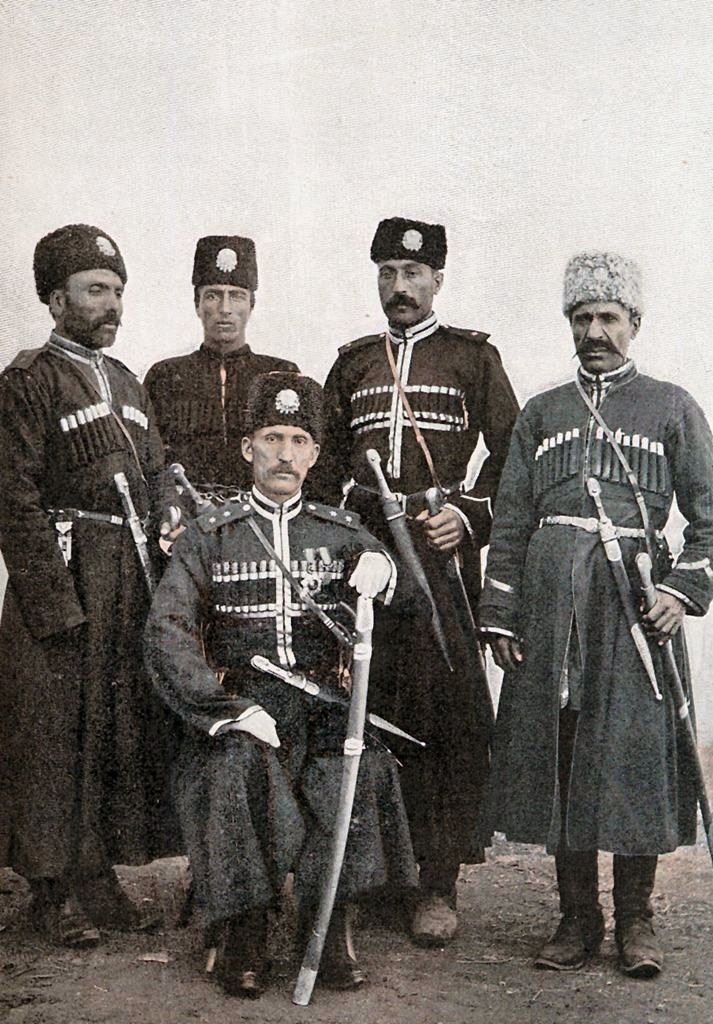
The Karapapakhs (Azerbaijani: Qarapapaqlar; Turkish: Karapapaklar), or Terekeme (Azerbaijani: Tərəkəmələr; Turkish: Terekemeler), are a Turkic people, who originally spoke the Karapapakh language, a western Oghuz language closely related to Azerbaijani and Turkish. Nowadays, the Karapapakh language has been largely supplanted by Azerbaijani and Turkish.
After moving into Western Asia in the Middle Ages together with other Turkic speakers and Mongol nomads, the Karapapakhs settled along the Debed river in eastern Georgia (along the present-day Georgian-Armenian border). They moved to Qajar Iran, and the Ottoman Empire after the Treaty of Turkmenchay was concluded between Iran and Russia in 1828. The Karapapakhs who remained within the Russian Empire were counted as a separate group in Tsarist population figures. During the Soviet Union's existence, the Karapapakhs were culturally and linguistically assimilated by the Azerbaijanis, and they were counted as "Azerbaijanis" in the 1959 and 1970 Soviet censuses. In 1944, the Karapapakh in the Soviet Union were deported en masse to Soviet Central Asia.
The Karapapakhs have traditionally been Sunnis, Shias, and adherents of Ali-Illahism. According to the latest western ethnographic works that primarily dealt with the ethnography of the Soviet Union, most Karapapakhs in the 1980s lived in Turkey, Iran, Soviet Central Asia (primarily the Uzbek SSR) and the Soviet republics of the Caucasus (primarily the Georgian SSR and the Armenian SSR).
Karapapakh translates as "black hat" in Oghuz Turkic. The Karapapakhs are sometimes referred to as Terekeme or Tarakama (from Arabic: تراكمة, romanized: Tarākameh, the broken plural for Turkmen—a term traditionally used for any Turkic nomadic people).
The Karapapakhs were originally a Turkoman group. George Bournoutian referred to them as "Turkicized Kazakhs (Qazzaqs)."[vague] They had moved into Western Asia in the Middle Ages together with other Turkic-speaking and Mongol nomads, where some had become peasants.
The Karapapakh fought on the Iranian side against the Russians in the Russo-Persian War of 1804–1813. Following the Russian victory in the Russo-Persian War of 1826–1828 and the resulting Treaty of Turkmenchay, the Karapapakhs migrated from the area along the Debed river in eastern Georgia (along the present-day Georgian-Armenian border), to the Ottoman Empire and Qajar Iran. They partly settled in the Ottoman region of Kars, where they formed 15% of the population, and partly in the Iranian region of Solduz (present-day Naqadeh), south of Lake Urmia. Iranian crown prince Abbas Mirza handed over the Solduz (present-day Naqadeh) district as a fief to 800 Karapapakh families and these new settlers, in return, had to have 400 horsemen ready for disposal for the government. Just prior to their arrival, there were 4–5,000 families in Solduz district consisting of Kurds and Turkics from the Muqaddam tribe. Gradually however, the land passed into the hands of the Karapapakh newcomers. In 19th-century Iran, as part of the Iranian irregular army, the Karapapakh tribe was one of the twenty-two units (dastehs) of provincial militia from the province of Azerbaijan.
Several years after the Russian conquest of Kars, the Tsarist government conducted a population counting of the newly acquired province. In this 1883 population counting of the Kars Oblast, the Karapapakhs (in Russian, Карапапахи) numbered 21,652, of whom 11,721 were Sunnis and 9,931 were Shias. The Tsarist authorities also regarded the Terekeme tribe of the Dagestan Oblast as part of the Karapapakh tribe. The 1886–1892 Tsarist population figures counted 8,893 Terekeme in the Dagestan Oblast and counted them as part of the total Karapapakh population within the empire. According to the Russian Empire Census of 1897, there were 29,879 Karapapakhs in the entire Russian Empire. According to the 1910 publication of the Caucasian Calendar, Karapapakhs reportedly numbered some 39,000 and were distributed in 99 villages in Kars Oblast. 63 of these villages were located in the Kars district, 29 in Ardahan, and 7 in Kağızman.
During the Ottoman occupation of Iran's Naqadeh from 1908 to 1912, the Karapapakh population suffered considerably as they were seen as Iranian agents by the Ottomans. In the early 20th century, the Karapapakh in Naqadeh district shared eleven villages with Sunni Kurds.
Hub AI
Karapapakhs AI simulator
(@Karapapakhs_simulator)
Karapapakhs
The Karapapakhs (Azerbaijani: Qarapapaqlar; Turkish: Karapapaklar), or Terekeme (Azerbaijani: Tərəkəmələr; Turkish: Terekemeler), are a Turkic people, who originally spoke the Karapapakh language, a western Oghuz language closely related to Azerbaijani and Turkish. Nowadays, the Karapapakh language has been largely supplanted by Azerbaijani and Turkish.
After moving into Western Asia in the Middle Ages together with other Turkic speakers and Mongol nomads, the Karapapakhs settled along the Debed river in eastern Georgia (along the present-day Georgian-Armenian border). They moved to Qajar Iran, and the Ottoman Empire after the Treaty of Turkmenchay was concluded between Iran and Russia in 1828. The Karapapakhs who remained within the Russian Empire were counted as a separate group in Tsarist population figures. During the Soviet Union's existence, the Karapapakhs were culturally and linguistically assimilated by the Azerbaijanis, and they were counted as "Azerbaijanis" in the 1959 and 1970 Soviet censuses. In 1944, the Karapapakh in the Soviet Union were deported en masse to Soviet Central Asia.
The Karapapakhs have traditionally been Sunnis, Shias, and adherents of Ali-Illahism. According to the latest western ethnographic works that primarily dealt with the ethnography of the Soviet Union, most Karapapakhs in the 1980s lived in Turkey, Iran, Soviet Central Asia (primarily the Uzbek SSR) and the Soviet republics of the Caucasus (primarily the Georgian SSR and the Armenian SSR).
Karapapakh translates as "black hat" in Oghuz Turkic. The Karapapakhs are sometimes referred to as Terekeme or Tarakama (from Arabic: تراكمة, romanized: Tarākameh, the broken plural for Turkmen—a term traditionally used for any Turkic nomadic people).
The Karapapakhs were originally a Turkoman group. George Bournoutian referred to them as "Turkicized Kazakhs (Qazzaqs)."[vague] They had moved into Western Asia in the Middle Ages together with other Turkic-speaking and Mongol nomads, where some had become peasants.
The Karapapakh fought on the Iranian side against the Russians in the Russo-Persian War of 1804–1813. Following the Russian victory in the Russo-Persian War of 1826–1828 and the resulting Treaty of Turkmenchay, the Karapapakhs migrated from the area along the Debed river in eastern Georgia (along the present-day Georgian-Armenian border), to the Ottoman Empire and Qajar Iran. They partly settled in the Ottoman region of Kars, where they formed 15% of the population, and partly in the Iranian region of Solduz (present-day Naqadeh), south of Lake Urmia. Iranian crown prince Abbas Mirza handed over the Solduz (present-day Naqadeh) district as a fief to 800 Karapapakh families and these new settlers, in return, had to have 400 horsemen ready for disposal for the government. Just prior to their arrival, there were 4–5,000 families in Solduz district consisting of Kurds and Turkics from the Muqaddam tribe. Gradually however, the land passed into the hands of the Karapapakh newcomers. In 19th-century Iran, as part of the Iranian irregular army, the Karapapakh tribe was one of the twenty-two units (dastehs) of provincial militia from the province of Azerbaijan.
Several years after the Russian conquest of Kars, the Tsarist government conducted a population counting of the newly acquired province. In this 1883 population counting of the Kars Oblast, the Karapapakhs (in Russian, Карапапахи) numbered 21,652, of whom 11,721 were Sunnis and 9,931 were Shias. The Tsarist authorities also regarded the Terekeme tribe of the Dagestan Oblast as part of the Karapapakh tribe. The 1886–1892 Tsarist population figures counted 8,893 Terekeme in the Dagestan Oblast and counted them as part of the total Karapapakh population within the empire. According to the Russian Empire Census of 1897, there were 29,879 Karapapakhs in the entire Russian Empire. According to the 1910 publication of the Caucasian Calendar, Karapapakhs reportedly numbered some 39,000 and were distributed in 99 villages in Kars Oblast. 63 of these villages were located in the Kars district, 29 in Ardahan, and 7 in Kağızman.
During the Ottoman occupation of Iran's Naqadeh from 1908 to 1912, the Karapapakh population suffered considerably as they were seen as Iranian agents by the Ottomans. In the early 20th century, the Karapapakh in Naqadeh district shared eleven villages with Sunni Kurds.
Recent media