
Recent from talks
Tetsuya Mizuguchi
Knowledge base stats:
Talk channels stats:
Members stats:
Tetsuya Mizuguchi
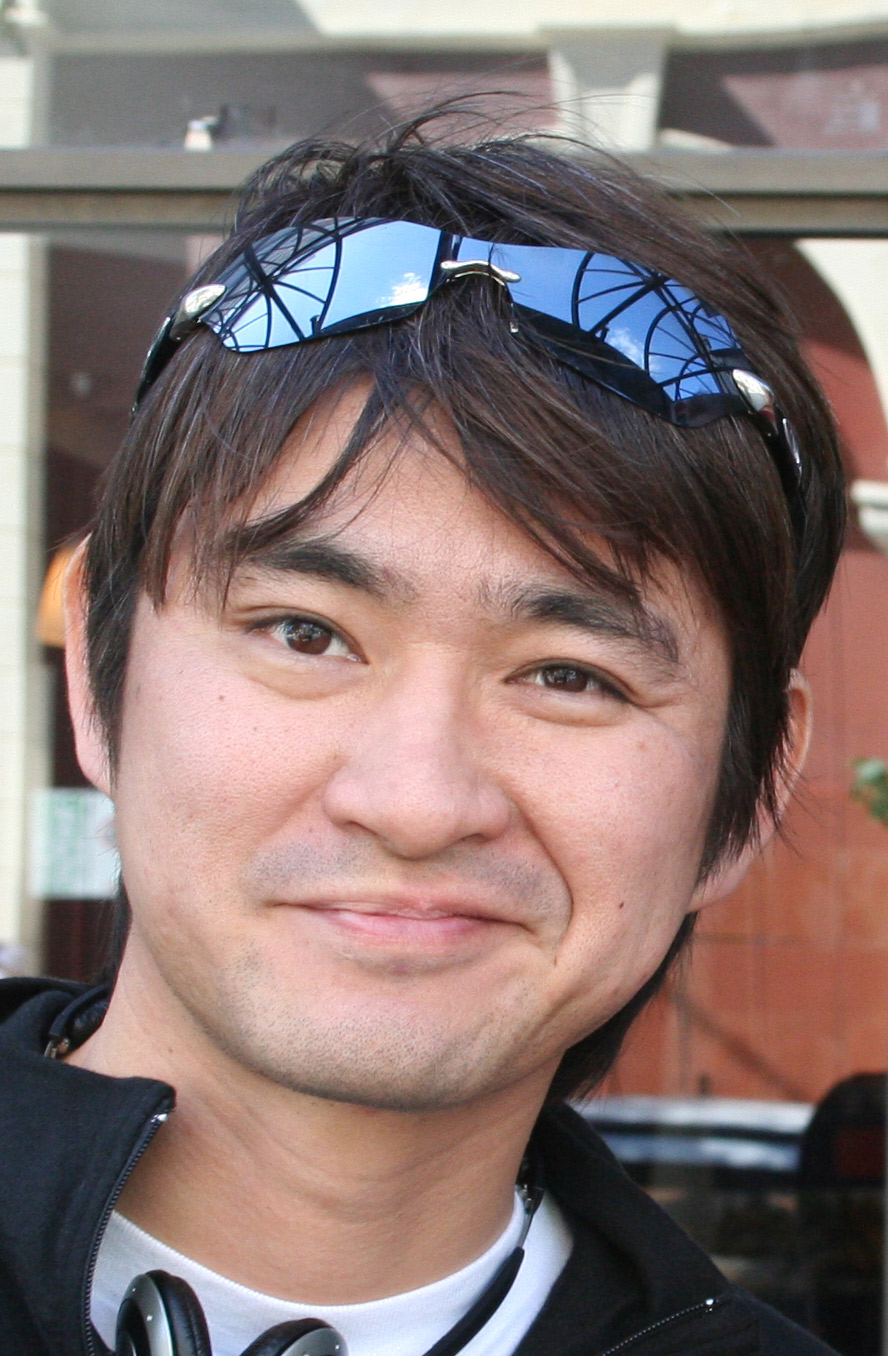
Tetsuya Mizuguchi (水口 哲也, Mizuguchi Tetsuya; born May 22, 1965) is a Japanese video game designer, producer, and businessman. Along with ex-Sega developers he is one of the co-founders of the video game development firm Q Entertainment. He formerly worked for Sega as a producer in their Sega AM3 'arcade machines' team, developing games like Sega Rally Championship and Sega Touring Car Championship, before moving on to become the head of Sega's United Game Artists division, the team responsible for Rez and Space Channel 5. Mizuguchi is better known for creating video games that incorporate interactive synesthesia into his game design, regardless of genre, evidenced by Rez, Lumines, Child of Eden, and Tetris Effect.
He left Q Entertainment in 2013. He is currently the CEO of Enhance, Inc., a company he founded in 2014.
In 2009, he was chosen by IGN as one of the top 100 game creators of all time.
Before entering the game industry, Mizuguchi majored in literature at Nihon University's Faculty of Arts. One of the influences for Mizuguchi joining the game industry was a photograph of NASA's view VR headset. Asked how he chose a career in video games, he explained, "I preferred doing something in relation to human senses or entertainment - something more in relation with human nature, a field where I could do some research. ... Unlike the arts, where it is often a matter of taste whether something is good or not, creating good interactive entertainment is more easily definable. I chose Sega because it was using new technology and I was able to study things like human movements."
Mizuguchi worked for Japanese game developer Sega from 1990 to 2003 and began his career – not on a game – but by designing arcade cabinets and an interactive 'ride' titled Megalopolis, combining then-embryonic 3D polygonal graphics and CGI (Computer-generated imagery) with the physical experience of Sega's hydraulic 'AS-1' motion simulator. He went on to develop the acclaimed racing simulator, Sega Rally Championship, which was influential in the racing space, inspiring future racing game franchises like Colin McRae Rally (another rally simulator) and the rally segments of Gran Turismo. After forming his own division within Sega, Sega AM Annex, he continued in the racing genre with Sega Rally Championship 2 and Sega Touring Car Championship. During one trip to Zürich in 1998, Mizuguchi witnessed a music festival in which he observed how people were moving toward the music and how the music, sounds, colors, and dancing would change accordingly. Mizuguchi recognized what he observed as synesthesia and decided to focus on rhythm-based music games where he co-created Space Channel 5, Space Channel 5: Part 2, and Rez. Both Space Channel 5 and Rez are referenced in modern gaming media as essential and influential to the development of the modern wave of music-rhythm games, with Harmonix Music Systems co-founder, Alex Rigopulos citing Mizuguchi as an influence in Harmonix's history. Mizuguchi's final position at Sega was Chief Creative Officer of Sega's United Game Artists game division.
In September 2003, Sega performed an internal restructuring of its staff. Among these changes was the dissolution of United Game Artists and the transfer of its members into Sonic Team. The following month, Mizuguchi announced that he would leave Sega on October 10, 2003. He cited the changes in the corporate culture after the Sega-Sammy merger and viewed that as an obstacle to what he wanted to do. He announced that he would work independently in the video game industry through an – at the time – unnamed company.
That company would be Meguro-based Q Entertainment (which he co-founded with a core team of ex-Sega veterans) which initially produced two puzzle games for portable, handheld gaming systems: Lumines for the PlayStation Portable and Meteos for the Nintendo DS. Both games have been released in Japan, North America, and Europe. With Q Entertainment, he later produced Lumines Live! which was released for the Xbox 360 through Microsoft's Xbox Live Arcade service on October 18, 2006. On November 7, 2006, he also produced Lumines II for PSP, the sequel to the popular original (this time supplementing the original score with heavy integration of music videos), and a shooter/puzzle hybrid game called Every Extend Extra (a heavily modified 'synesthesia' update to an existing PC freeware title, Every Extend, by indie developer "Omega"), which was released on August 7, 2006.
Later, to coincide with a Microsoft event at Tokyo Game Show in 2005, Mizuguchi announced that Q Entertainment was working on an action game called Ninety-Nine Nights. A departure from his focus on musical games, Ninety-Nine Nights was Mizuguchi's attempt through an action game to tell the story of a massive, international conflict as viewed through the eyes of various factions. To facilitate the completion of Ninety-Nine Nights, he traveled regularly between Japan and South Korea to work with Ninety-Nine Nights external developer, Phantagram.
Hub AI
Tetsuya Mizuguchi AI simulator
(@Tetsuya Mizuguchi_simulator)
Tetsuya Mizuguchi
Tetsuya Mizuguchi (水口 哲也, Mizuguchi Tetsuya; born May 22, 1965) is a Japanese video game designer, producer, and businessman. Along with ex-Sega developers he is one of the co-founders of the video game development firm Q Entertainment. He formerly worked for Sega as a producer in their Sega AM3 'arcade machines' team, developing games like Sega Rally Championship and Sega Touring Car Championship, before moving on to become the head of Sega's United Game Artists division, the team responsible for Rez and Space Channel 5. Mizuguchi is better known for creating video games that incorporate interactive synesthesia into his game design, regardless of genre, evidenced by Rez, Lumines, Child of Eden, and Tetris Effect.
He left Q Entertainment in 2013. He is currently the CEO of Enhance, Inc., a company he founded in 2014.
In 2009, he was chosen by IGN as one of the top 100 game creators of all time.
Before entering the game industry, Mizuguchi majored in literature at Nihon University's Faculty of Arts. One of the influences for Mizuguchi joining the game industry was a photograph of NASA's view VR headset. Asked how he chose a career in video games, he explained, "I preferred doing something in relation to human senses or entertainment - something more in relation with human nature, a field where I could do some research. ... Unlike the arts, where it is often a matter of taste whether something is good or not, creating good interactive entertainment is more easily definable. I chose Sega because it was using new technology and I was able to study things like human movements."
Mizuguchi worked for Japanese game developer Sega from 1990 to 2003 and began his career – not on a game – but by designing arcade cabinets and an interactive 'ride' titled Megalopolis, combining then-embryonic 3D polygonal graphics and CGI (Computer-generated imagery) with the physical experience of Sega's hydraulic 'AS-1' motion simulator. He went on to develop the acclaimed racing simulator, Sega Rally Championship, which was influential in the racing space, inspiring future racing game franchises like Colin McRae Rally (another rally simulator) and the rally segments of Gran Turismo. After forming his own division within Sega, Sega AM Annex, he continued in the racing genre with Sega Rally Championship 2 and Sega Touring Car Championship. During one trip to Zürich in 1998, Mizuguchi witnessed a music festival in which he observed how people were moving toward the music and how the music, sounds, colors, and dancing would change accordingly. Mizuguchi recognized what he observed as synesthesia and decided to focus on rhythm-based music games where he co-created Space Channel 5, Space Channel 5: Part 2, and Rez. Both Space Channel 5 and Rez are referenced in modern gaming media as essential and influential to the development of the modern wave of music-rhythm games, with Harmonix Music Systems co-founder, Alex Rigopulos citing Mizuguchi as an influence in Harmonix's history. Mizuguchi's final position at Sega was Chief Creative Officer of Sega's United Game Artists game division.
In September 2003, Sega performed an internal restructuring of its staff. Among these changes was the dissolution of United Game Artists and the transfer of its members into Sonic Team. The following month, Mizuguchi announced that he would leave Sega on October 10, 2003. He cited the changes in the corporate culture after the Sega-Sammy merger and viewed that as an obstacle to what he wanted to do. He announced that he would work independently in the video game industry through an – at the time – unnamed company.
That company would be Meguro-based Q Entertainment (which he co-founded with a core team of ex-Sega veterans) which initially produced two puzzle games for portable, handheld gaming systems: Lumines for the PlayStation Portable and Meteos for the Nintendo DS. Both games have been released in Japan, North America, and Europe. With Q Entertainment, he later produced Lumines Live! which was released for the Xbox 360 through Microsoft's Xbox Live Arcade service on October 18, 2006. On November 7, 2006, he also produced Lumines II for PSP, the sequel to the popular original (this time supplementing the original score with heavy integration of music videos), and a shooter/puzzle hybrid game called Every Extend Extra (a heavily modified 'synesthesia' update to an existing PC freeware title, Every Extend, by indie developer "Omega"), which was released on August 7, 2006.
Later, to coincide with a Microsoft event at Tokyo Game Show in 2005, Mizuguchi announced that Q Entertainment was working on an action game called Ninety-Nine Nights. A departure from his focus on musical games, Ninety-Nine Nights was Mizuguchi's attempt through an action game to tell the story of a massive, international conflict as viewed through the eyes of various factions. To facilitate the completion of Ninety-Nine Nights, he traveled regularly between Japan and South Korea to work with Ninety-Nine Nights external developer, Phantagram.
Recent media