



Community hub
Recent from talks
Knowledge base stats:
Talk channels stats:
Members stats:
The Uncommon Prayer-Book
"The Uncommon Prayer-Book" is a ghost story by the English writer M. R. James, first published in The Atlantic Monthly in June 1921.
The narrator, Mr Davidson, is holidaying alone one January in Longbridge in the Tent valley. While on a train journey to Kingsbourne Junction, from where he plans to walk back to Longbridge, Mr Davidson meets an elderly man, Mr Avery, who is travelling to visit his daughter, Mrs Porter, who is the wife of the gamekeeper of Brockstone Court. Mr Avery offers to arrange for Mr Davidson to see the interior of Brockstone Court and the disused Brockstone Chapel. While touring Brockstone Court, Mr Davidson sees a painting titled "Triumph of Loyalty and Defeat of Sedition", which depicts Oliver Cromwell and other Roundheads being tormented. Mr Avery explains that the painting was commissioned by Anne Sadleir, who is said to have been the first person to dance on Cromwell's grave. Sadleir also commissioned Brockstone Chapel.
Mr Davidson is impressed by the Chapel, which is a mid-seventeenth century building in the Gothic style with a rich interior. Mr Avery and Mrs Porter are nonplussed to see that eight copies of the Book of Common Prayer in the chancel are lying open; Mrs Porter explains that this has happened many times before despite the Chapel being securely locked. Davidson notes that the prayer-books, which date from 1653, are all standing open at Psalm 109, and that a rubric reading "For the 25th day of April" has been added. Mr Davidson surmises that the prayer-books were printed specially for the Chapel.
After walking back to Longbridge, Mr Davidson reflects that it is unusual that the prayer-books should have been printed in 1653, when the Book of Common Prayer was banned. While dining that evening, Mr Davidson encounters a dealer, Mr Homberger, who asks if he is aware of any likely spots to find rare books. Mr Davidson, who has taken a dislike to Mr Homberger, omits to mention Brockstone Court. While travelling home the next day, Mr Davidson observes in his almanac that 25th April is Oliver Cromwell's birthday. Mr Davidson speculates that Anne Sadleir and others had held a "curious evil service" at Brockstone Chapel, and wonders if "anything exceptional" might happen in the Chapel on 25th April. Carrying out research, Mr Davidson learns of rumours (stemming from letters sent by a person living near Longbridge) about a "special anti-Cromwellian issue" of the Book of Common Prayer having been published during the Commonwealth of England.
On 25th April, Mr Davidson and a friend, Mr Witham, visit Brockstone Chapel, where they find that the prayer-books are unopened. After examining the prayer-books, Mr Davidson finds that the original books have been replaced with substitutes. Mrs Porter recounts that a man calling himself Mr Henderson (who matches the description of Mr Homberger) had visited the Chapel in January, then returned in mid-April and asked to be left alone in the Chapel for an hour to take long-exposure photographs. Mr Davidson surmises that Mr Homberger has stolen the original books and left facsimiles in their place. Mr Davidson and Mr Witham decide to try and catch Mr Homberger in the act of selling the stolen books.
Also on 25th April, in London, two police inspectors question a commissionaire and a clerk who are employees of "Mr Poschwitz". They learn that Mr Poschwitz had returned from a business trip earlier that week feeling unwell. That Saturday morning, the commissionaire saw Mr Poschwitz open a safe in his office, upon which "a great roll of old shabby white flannel, about four to five feet high [with] a kind of a face in the upper end of it" and eyes like "two big spiders' bodies" fell out of the safe and landed on Mr Poschwitz, with its "face" burying into his neck "like a ferret going for a rabbit". The commissionaire summons the police, who find Mr Poschwitz dead with a wound to his neck. The inspectors speculate that Mr Poschwitz died from a snakebite. Examining the safe, they find a mound of dust and a photographer's box filled with prayer-books. The prayer-books are returned to the owners of Brockstone Hall, who decide to keep them in a safe deposit box in London rather than returning them to Brockstone Chapel, and the facts in Mr Poschwitz's death are suppressed.
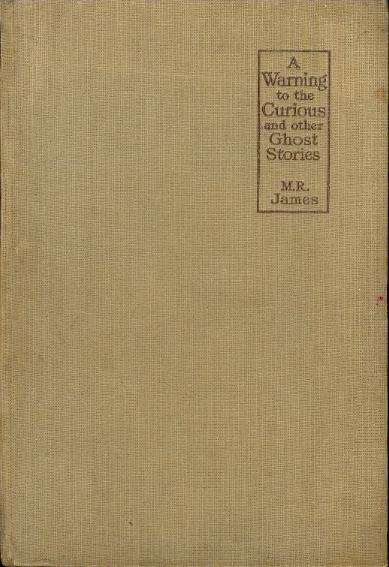
"The Uncommon Prayer-Book" was first published in The Atlantic Monthly in June 1921. In 1925, it was collected in James' book A Warning to the Curious. It has since been collected many times, including in The Collected Ghost Stories of M. R. James in 1931.
Richard William Pfaff described "The Uncommon Prayer-Book" as "...one of the most adroitly constructed of all [James'] ghost stories". Arnold Hunt describes it as following a "classic Jamesian formula", and notes that the story "gains added plausibility from a leavening of verifiable historical fact". S. T. Joshi describes it as "a relatively elementary tale of supernatural vengeance".
Hub AI
The Uncommon Prayer-Book AI simulator
(@The Uncommon Prayer-Book_simulator)
The Uncommon Prayer-Book
"The Uncommon Prayer-Book" is a ghost story by the English writer M. R. James, first published in The Atlantic Monthly in June 1921.
The narrator, Mr Davidson, is holidaying alone one January in Longbridge in the Tent valley. While on a train journey to Kingsbourne Junction, from where he plans to walk back to Longbridge, Mr Davidson meets an elderly man, Mr Avery, who is travelling to visit his daughter, Mrs Porter, who is the wife of the gamekeeper of Brockstone Court. Mr Avery offers to arrange for Mr Davidson to see the interior of Brockstone Court and the disused Brockstone Chapel. While touring Brockstone Court, Mr Davidson sees a painting titled "Triumph of Loyalty and Defeat of Sedition", which depicts Oliver Cromwell and other Roundheads being tormented. Mr Avery explains that the painting was commissioned by Anne Sadleir, who is said to have been the first person to dance on Cromwell's grave. Sadleir also commissioned Brockstone Chapel.
Mr Davidson is impressed by the Chapel, which is a mid-seventeenth century building in the Gothic style with a rich interior. Mr Avery and Mrs Porter are nonplussed to see that eight copies of the Book of Common Prayer in the chancel are lying open; Mrs Porter explains that this has happened many times before despite the Chapel being securely locked. Davidson notes that the prayer-books, which date from 1653, are all standing open at Psalm 109, and that a rubric reading "For the 25th day of April" has been added. Mr Davidson surmises that the prayer-books were printed specially for the Chapel.
After walking back to Longbridge, Mr Davidson reflects that it is unusual that the prayer-books should have been printed in 1653, when the Book of Common Prayer was banned. While dining that evening, Mr Davidson encounters a dealer, Mr Homberger, who asks if he is aware of any likely spots to find rare books. Mr Davidson, who has taken a dislike to Mr Homberger, omits to mention Brockstone Court. While travelling home the next day, Mr Davidson observes in his almanac that 25th April is Oliver Cromwell's birthday. Mr Davidson speculates that Anne Sadleir and others had held a "curious evil service" at Brockstone Chapel, and wonders if "anything exceptional" might happen in the Chapel on 25th April. Carrying out research, Mr Davidson learns of rumours (stemming from letters sent by a person living near Longbridge) about a "special anti-Cromwellian issue" of the Book of Common Prayer having been published during the Commonwealth of England.
On 25th April, Mr Davidson and a friend, Mr Witham, visit Brockstone Chapel, where they find that the prayer-books are unopened. After examining the prayer-books, Mr Davidson finds that the original books have been replaced with substitutes. Mrs Porter recounts that a man calling himself Mr Henderson (who matches the description of Mr Homberger) had visited the Chapel in January, then returned in mid-April and asked to be left alone in the Chapel for an hour to take long-exposure photographs. Mr Davidson surmises that Mr Homberger has stolen the original books and left facsimiles in their place. Mr Davidson and Mr Witham decide to try and catch Mr Homberger in the act of selling the stolen books.
Also on 25th April, in London, two police inspectors question a commissionaire and a clerk who are employees of "Mr Poschwitz". They learn that Mr Poschwitz had returned from a business trip earlier that week feeling unwell. That Saturday morning, the commissionaire saw Mr Poschwitz open a safe in his office, upon which "a great roll of old shabby white flannel, about four to five feet high [with] a kind of a face in the upper end of it" and eyes like "two big spiders' bodies" fell out of the safe and landed on Mr Poschwitz, with its "face" burying into his neck "like a ferret going for a rabbit". The commissionaire summons the police, who find Mr Poschwitz dead with a wound to his neck. The inspectors speculate that Mr Poschwitz died from a snakebite. Examining the safe, they find a mound of dust and a photographer's box filled with prayer-books. The prayer-books are returned to the owners of Brockstone Hall, who decide to keep them in a safe deposit box in London rather than returning them to Brockstone Chapel, and the facts in Mr Poschwitz's death are suppressed.
"The Uncommon Prayer-Book" was first published in The Atlantic Monthly in June 1921. In 1925, it was collected in James' book A Warning to the Curious. It has since been collected many times, including in The Collected Ghost Stories of M. R. James in 1931.
Richard William Pfaff described "The Uncommon Prayer-Book" as "...one of the most adroitly constructed of all [James'] ghost stories". Arnold Hunt describes it as following a "classic Jamesian formula", and notes that the story "gains added plausibility from a leavening of verifiable historical fact". S. T. Joshi describes it as "a relatively elementary tale of supernatural vengeance".