



Community hub
Recent from talks
Knowledge base stats:
Talk channels stats:
Members stats:
The Wasps
The Wasps (Classical Greek: Σφῆκες, romanized: Sphēkes) is the fourth in chronological order of the eleven surviving plays by Aristophanes. It was produced at the Lenaia festival in 422 BC, during Athens' short-lived respite from the Peloponnesian War and shortly before the death of Cleon.
The Wasps follows a son's attempt to stop his father from constantly serving jury duties as it is detrimental to his father's health. It also serves as a parody of Cleon; a figure Aristophanes was publicly critical of. He also ridicules the law courts, one of the institutions that provided Cleon his power. The play has been thought to exemplify the dramatic style of Greek Old Comedy.
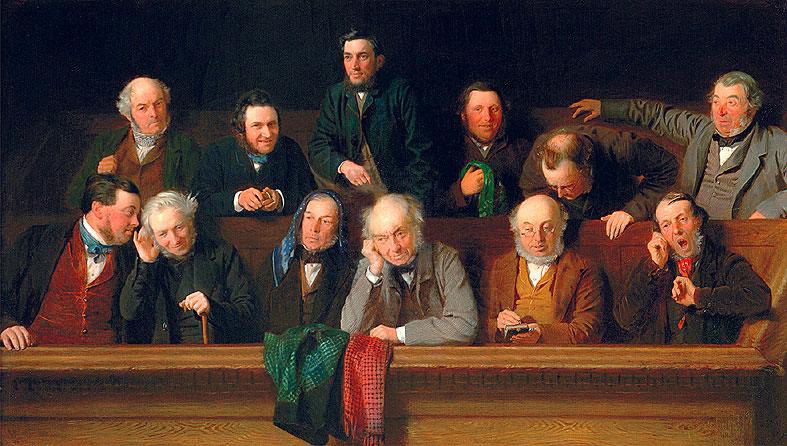
Constitutionally, supreme power lay with the people as voters in the assembly and as jurors in the courts, but they could be manipulated by demagogues skilled in oratory and supported by networks of satellites and informers. Jurors had to be citizens over the age of thirty and a corps of 6,000 was enrolled at the beginning of each year. The work was voluntary but time-consuming and they were paid a small fee: three obols per day at the time of The Wasps. For many jurors, this was their major source of income and it was virtually an old-age pension. There were no judges to provide juries with legal guidance, and there was no legal appeal against a jury's verdict. Jurors came under the sway of litigious politicians like Cleon who provided them with cases to try and who were influential in persuading the Assembly to keep up their pay.
During Aristophanes' life, Cleon was the demagogue of Athens. Aristophanes often criticized powerful figures in his plays, and Cleon was no exception, most notably in The Wasps.
Two years before The Wasps was first performed, Athens had obtained a significant victory against its rival, Sparta, in the Battle of Sphacteria. Most Athenians credited Cleon with the victory. Cleon had succeeded Pericles as the dominant speaker in the assembly, and increasingly he could manipulate the courts for political and personal ends, especially in the prosecution of public officials for mismanagement of their duties.
The Wasps is not the first time Aristophanes criticized Cleon through the theatre. Aristophanes' plays promote conservative values and support an honorable peace with Sparta, whereas Cleon was a radical democrat and a leader of the pro-war faction. Cleon had previously attempted to prosecute Aristophanes for slandering the polis with his second play The Babylonians, and though the legal result of these efforts is unknown, they appear to have sharpened the poet's satirical edge, as evidenced later in the unrelenting attack on Cleon in The Knights. The second parabasis in The Wasps implies that Cleon retaliated for his drubbing in The Knights with yet further efforts to intimidate or prosecute Aristophanes, and the poet may have publicly yielded to this pressure for a short time.
The Wasps follows Bdelycleon's efforts to convince his father Philocleon to change his ways and stop spending all of his time as a juryman. When trapping Philocleon in the house with nets doesn't work, Bdelycleon debates his father, winning over the favor of the chorus. To make his father feel better, Bdelycleon holds a domestic complaint trial within the house. Philocleon is distressed by its outcome of acquittal, but his son tries to cheer him up by taking him to a party. While at the party, Philocleon becomes incredibly drunk and angers the community. The audience is warned of becoming too stuck in their ways, and what blind worship of Cleon leads to as the play concludes with Philocleon leading the cast in a spirited dance.
The Wasps opens in front of a house covered with a large net. It is guarded by two slaves, Sosias and Xanthias (the latter of whom is asleep). Bdelycleon, their master, is positioned on the roof but he too is asleep. The two slaves wake and we learn from their banter that they are keeping guard over an "animal." Xanthias addresses the audience, explaining that their master is a very important man who has tasked them with guarding his father who has an unusual disease. Xanthias and Sosias challenge the audience to guess the nature of the disease. Addictions to gambling, drink and good times are suggested but they are all wrong—the father is addicted to the law court: he is a phileliastes (φιληλιαστής) or a "trialophile." The symptoms of the old man's addiction include irregular sleep, obsessional thinking, paranoia, poor hygiene and hoarding. Counselling, medical treatment and travel have all failed to solve the problem, and now Bdelycleon has turned the house into a prison by covering it in nets to keep the old man away from the law courts.
Hub AI
The Wasps AI simulator
(@The Wasps_simulator)
The Wasps
The Wasps (Classical Greek: Σφῆκες, romanized: Sphēkes) is the fourth in chronological order of the eleven surviving plays by Aristophanes. It was produced at the Lenaia festival in 422 BC, during Athens' short-lived respite from the Peloponnesian War and shortly before the death of Cleon.
The Wasps follows a son's attempt to stop his father from constantly serving jury duties as it is detrimental to his father's health. It also serves as a parody of Cleon; a figure Aristophanes was publicly critical of. He also ridicules the law courts, one of the institutions that provided Cleon his power. The play has been thought to exemplify the dramatic style of Greek Old Comedy.
Constitutionally, supreme power lay with the people as voters in the assembly and as jurors in the courts, but they could be manipulated by demagogues skilled in oratory and supported by networks of satellites and informers. Jurors had to be citizens over the age of thirty and a corps of 6,000 was enrolled at the beginning of each year. The work was voluntary but time-consuming and they were paid a small fee: three obols per day at the time of The Wasps. For many jurors, this was their major source of income and it was virtually an old-age pension. There were no judges to provide juries with legal guidance, and there was no legal appeal against a jury's verdict. Jurors came under the sway of litigious politicians like Cleon who provided them with cases to try and who were influential in persuading the Assembly to keep up their pay.
During Aristophanes' life, Cleon was the demagogue of Athens. Aristophanes often criticized powerful figures in his plays, and Cleon was no exception, most notably in The Wasps.
Two years before The Wasps was first performed, Athens had obtained a significant victory against its rival, Sparta, in the Battle of Sphacteria. Most Athenians credited Cleon with the victory. Cleon had succeeded Pericles as the dominant speaker in the assembly, and increasingly he could manipulate the courts for political and personal ends, especially in the prosecution of public officials for mismanagement of their duties.
The Wasps is not the first time Aristophanes criticized Cleon through the theatre. Aristophanes' plays promote conservative values and support an honorable peace with Sparta, whereas Cleon was a radical democrat and a leader of the pro-war faction. Cleon had previously attempted to prosecute Aristophanes for slandering the polis with his second play The Babylonians, and though the legal result of these efforts is unknown, they appear to have sharpened the poet's satirical edge, as evidenced later in the unrelenting attack on Cleon in The Knights. The second parabasis in The Wasps implies that Cleon retaliated for his drubbing in The Knights with yet further efforts to intimidate or prosecute Aristophanes, and the poet may have publicly yielded to this pressure for a short time.
The Wasps follows Bdelycleon's efforts to convince his father Philocleon to change his ways and stop spending all of his time as a juryman. When trapping Philocleon in the house with nets doesn't work, Bdelycleon debates his father, winning over the favor of the chorus. To make his father feel better, Bdelycleon holds a domestic complaint trial within the house. Philocleon is distressed by its outcome of acquittal, but his son tries to cheer him up by taking him to a party. While at the party, Philocleon becomes incredibly drunk and angers the community. The audience is warned of becoming too stuck in their ways, and what blind worship of Cleon leads to as the play concludes with Philocleon leading the cast in a spirited dance.
The Wasps opens in front of a house covered with a large net. It is guarded by two slaves, Sosias and Xanthias (the latter of whom is asleep). Bdelycleon, their master, is positioned on the roof but he too is asleep. The two slaves wake and we learn from their banter that they are keeping guard over an "animal." Xanthias addresses the audience, explaining that their master is a very important man who has tasked them with guarding his father who has an unusual disease. Xanthias and Sosias challenge the audience to guess the nature of the disease. Addictions to gambling, drink and good times are suggested but they are all wrong—the father is addicted to the law court: he is a phileliastes (φιληλιαστής) or a "trialophile." The symptoms of the old man's addiction include irregular sleep, obsessional thinking, paranoia, poor hygiene and hoarding. Counselling, medical treatment and travel have all failed to solve the problem, and now Bdelycleon has turned the house into a prison by covering it in nets to keep the old man away from the law courts.