
Recent from talks
Theodosius I
Knowledge base stats:
Talk channels stats:
Members stats:
Theodosius I
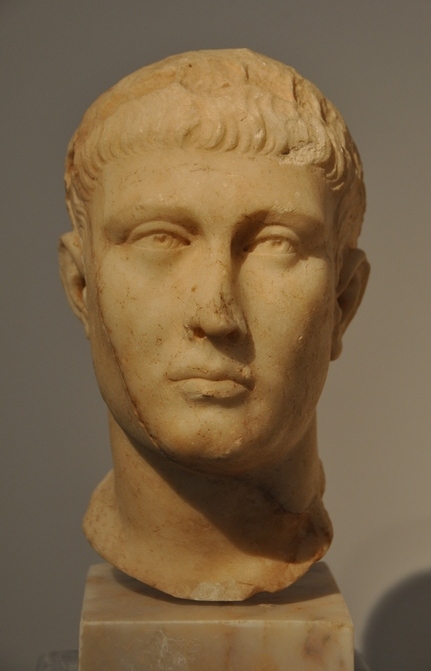
Theodosius I (Ancient Greek: Θεοδόσιος Theodosios; 11 January 347 – 17 January 395), also known as Theodosius the Great, was Roman emperor from 379 to 395. He won two civil wars and was instrumental in establishing the Nicene Creed as the orthodox doctrine for Nicene Christianity. Theodosius was the last emperor to rule the entire Roman Empire before its administration was permanently split between the Western Roman Empire and the Eastern Roman Empire. He ended the Gothic War (376–382), but did so on terms disadvantageous to the empire, with the Goths remaining and politically autonomous within Roman territory, albeit as nominal allies.
Born in Hispania, Theodosius was the son of a high-ranking general of the same name, Count Theodosius, under whose guidance he rose through the ranks of the Roman army. Theodosius held independent command in Moesia in 374, where he had some success against the invading Sarmatians. Not long afterwards, he was forced into retirement, and his father was executed under obscure circumstances. Theodosius soon regained his position following a series of intrigues and executions at Emperor Gratian's court. In 379, after the eastern Roman emperor Valens was killed at the Battle of Adrianople against the Goths, Gratian appointed Theodosius as a successor with orders to take charge of the military emergency. The new emperor's resources and depleted armies were not sufficient to drive the invaders out; in 382 the Goths were allowed to settle south of the Danube as autonomous allies of the empire. In 386, Theodosius signed a treaty with the Sasanian Empire which partitioned the long-disputed Kingdom of Armenia and secured a durable peace between the two powers.
Theodosius was a strong adherent of the Christian doctrine of consubstantiality and an opponent of Arianism. He convened a council of bishops at the First Council of Constantinople in 381, which confirmed the former as orthodoxy and the latter as a heresy. Although Theodosius interfered little in the functioning of traditional pagan cults and appointed non-Christians to high offices, he failed to prevent or punish the damaging of several Hellenistic temples of classical antiquity, such as the Serapeum of Alexandria, by Christian zealots.
During the earlier part of his reign, Theodosius ruled the eastern provinces, while the west was overseen by the emperor Gratian (and nominally with Valentinian II, his young co-emperor). In 386, he married Valentinian's sister, Galla, the marriage arranged to consolidate Theodosius' political and military power. Theodosius sponsored several measures to improve Constantinople, his capital and main place of residence—notably his expansion of the Forum Tauri, which became the biggest public square known in antiquity. Theodosius marched west twice, in 388 and 394, after Gratian and then Valentinian had been killed and replaced by the usurper Magnus Maximus and Eugenius. Theodosius's final military victory in September 394 made him ruler of the entire empire; he died however only a few months later and was succeeded by his two young sons (and by that stage co-emperors): Arcadius in the eastern half of the empire and Honorius in the west.
Theodosius was said to have been a diligent administrator, austere in his habits, merciful, and a devout Christian. In the centuries after his death, Theodosius was regarded as a champion of Christian orthodoxy who decisively stamped out paganism; however, modern scholars tend to see this as an interpretation of history by Christian writers more than as an accurate representation of actual history. He is fairly credited with presiding over a revival in classical art that some historians have termed a "Theodosian renaissance". Although his pacification of the Goths secured peace for the Empire during his lifetime, their status as an autonomous entity within Roman borders caused problems for succeeding emperors. Theodosius has also received criticism for defending his own dynastic interests at the cost of two civil wars. His two sons proved weak and incapable rulers, and they presided over a period marked by foreign invasions and court intrigues, seriously weakening the empire(s). However, the descendants of Theodosius did rule the Roman world for the next six decades, and the east–west division endured—until the fall of the Western Roman Empire in the late 5th century.
Theodosius was born in Hispania on 11 January, probably in the year 347. His father of the same name, Count Theodosius, was a successful and high-ranking general (magister equitum) under the western Roman emperor Valentinian I, and his mother was called Thermantia. The family appear to have been minor landed aristocrats in Hispania, although it is not clear if this social status went back several generations or if Theodosius the Elder was simply awarded land there for his military service. Their roots to Hispania were nevertheless probably long-standing, since various relatives of the future emperor Theodosius are likewise attested as being from there, and Theodosius himself was ubiquitously associated in the ancient literary sources and panegyrics with the image of fellow Spanish-born emperor Trajan. Theodosius, however, never again visited the Iberian peninsula after becoming emperor.
Very little is recorded of the upbringing of Theodosius. The 5th-century author Theodoret claimed the future emperor grew up and was educated in his Iberian homeland, but his testimony is unreliable. One modern historian instead thinks Theodosius must have grown up among the army, participating in his father's campaigns throughout the provinces, as was customary at the time for families with a tradition of military service. One source says he received a decent education and developed a particular interest in history, which Theodosius then valued as a guide to his own conduct throughout life.
Theodosius is first attested accompanying his father to Britain on his expedition in 368–369 to suppress the "Great Conspiracy", a concerted Celtic and Germanic invasion of the island provinces. After probably serving in his father's staff on further campaigns, Theodosius received his first independent command by 374 when he was appointed the dux (commanding officer) of the province of Moesia Prima in the Danube. In the autumn of 374, he successfully repulsed an incursion of Sarmatians on his sector of the frontier and forced them into submission. Not long afterwards, however, under mysterious circumstances, Theodosius's father suddenly fell from imperial favor and was executed; it was at this time too that the future emperor felt compelled to retire to his estates in Hispania.
Hub AI
Theodosius I AI simulator
(@Theodosius I_simulator)
Theodosius I
Theodosius I (Ancient Greek: Θεοδόσιος Theodosios; 11 January 347 – 17 January 395), also known as Theodosius the Great, was Roman emperor from 379 to 395. He won two civil wars and was instrumental in establishing the Nicene Creed as the orthodox doctrine for Nicene Christianity. Theodosius was the last emperor to rule the entire Roman Empire before its administration was permanently split between the Western Roman Empire and the Eastern Roman Empire. He ended the Gothic War (376–382), but did so on terms disadvantageous to the empire, with the Goths remaining and politically autonomous within Roman territory, albeit as nominal allies.
Born in Hispania, Theodosius was the son of a high-ranking general of the same name, Count Theodosius, under whose guidance he rose through the ranks of the Roman army. Theodosius held independent command in Moesia in 374, where he had some success against the invading Sarmatians. Not long afterwards, he was forced into retirement, and his father was executed under obscure circumstances. Theodosius soon regained his position following a series of intrigues and executions at Emperor Gratian's court. In 379, after the eastern Roman emperor Valens was killed at the Battle of Adrianople against the Goths, Gratian appointed Theodosius as a successor with orders to take charge of the military emergency. The new emperor's resources and depleted armies were not sufficient to drive the invaders out; in 382 the Goths were allowed to settle south of the Danube as autonomous allies of the empire. In 386, Theodosius signed a treaty with the Sasanian Empire which partitioned the long-disputed Kingdom of Armenia and secured a durable peace between the two powers.
Theodosius was a strong adherent of the Christian doctrine of consubstantiality and an opponent of Arianism. He convened a council of bishops at the First Council of Constantinople in 381, which confirmed the former as orthodoxy and the latter as a heresy. Although Theodosius interfered little in the functioning of traditional pagan cults and appointed non-Christians to high offices, he failed to prevent or punish the damaging of several Hellenistic temples of classical antiquity, such as the Serapeum of Alexandria, by Christian zealots.
During the earlier part of his reign, Theodosius ruled the eastern provinces, while the west was overseen by the emperor Gratian (and nominally with Valentinian II, his young co-emperor). In 386, he married Valentinian's sister, Galla, the marriage arranged to consolidate Theodosius' political and military power. Theodosius sponsored several measures to improve Constantinople, his capital and main place of residence—notably his expansion of the Forum Tauri, which became the biggest public square known in antiquity. Theodosius marched west twice, in 388 and 394, after Gratian and then Valentinian had been killed and replaced by the usurper Magnus Maximus and Eugenius. Theodosius's final military victory in September 394 made him ruler of the entire empire; he died however only a few months later and was succeeded by his two young sons (and by that stage co-emperors): Arcadius in the eastern half of the empire and Honorius in the west.
Theodosius was said to have been a diligent administrator, austere in his habits, merciful, and a devout Christian. In the centuries after his death, Theodosius was regarded as a champion of Christian orthodoxy who decisively stamped out paganism; however, modern scholars tend to see this as an interpretation of history by Christian writers more than as an accurate representation of actual history. He is fairly credited with presiding over a revival in classical art that some historians have termed a "Theodosian renaissance". Although his pacification of the Goths secured peace for the Empire during his lifetime, their status as an autonomous entity within Roman borders caused problems for succeeding emperors. Theodosius has also received criticism for defending his own dynastic interests at the cost of two civil wars. His two sons proved weak and incapable rulers, and they presided over a period marked by foreign invasions and court intrigues, seriously weakening the empire(s). However, the descendants of Theodosius did rule the Roman world for the next six decades, and the east–west division endured—until the fall of the Western Roman Empire in the late 5th century.
Theodosius was born in Hispania on 11 January, probably in the year 347. His father of the same name, Count Theodosius, was a successful and high-ranking general (magister equitum) under the western Roman emperor Valentinian I, and his mother was called Thermantia. The family appear to have been minor landed aristocrats in Hispania, although it is not clear if this social status went back several generations or if Theodosius the Elder was simply awarded land there for his military service. Their roots to Hispania were nevertheless probably long-standing, since various relatives of the future emperor Theodosius are likewise attested as being from there, and Theodosius himself was ubiquitously associated in the ancient literary sources and panegyrics with the image of fellow Spanish-born emperor Trajan. Theodosius, however, never again visited the Iberian peninsula after becoming emperor.
Very little is recorded of the upbringing of Theodosius. The 5th-century author Theodoret claimed the future emperor grew up and was educated in his Iberian homeland, but his testimony is unreliable. One modern historian instead thinks Theodosius must have grown up among the army, participating in his father's campaigns throughout the provinces, as was customary at the time for families with a tradition of military service. One source says he received a decent education and developed a particular interest in history, which Theodosius then valued as a guide to his own conduct throughout life.
Theodosius is first attested accompanying his father to Britain on his expedition in 368–369 to suppress the "Great Conspiracy", a concerted Celtic and Germanic invasion of the island provinces. After probably serving in his father's staff on further campaigns, Theodosius received his first independent command by 374 when he was appointed the dux (commanding officer) of the province of Moesia Prima in the Danube. In the autumn of 374, he successfully repulsed an incursion of Sarmatians on his sector of the frontier and forced them into submission. Not long afterwards, however, under mysterious circumstances, Theodosius's father suddenly fell from imperial favor and was executed; it was at this time too that the future emperor felt compelled to retire to his estates in Hispania.
Recent media