
Recent from talks
Thomas Clarke Rye
Knowledge base stats:
Talk channels stats:
Members stats:
Thomas Clarke Rye
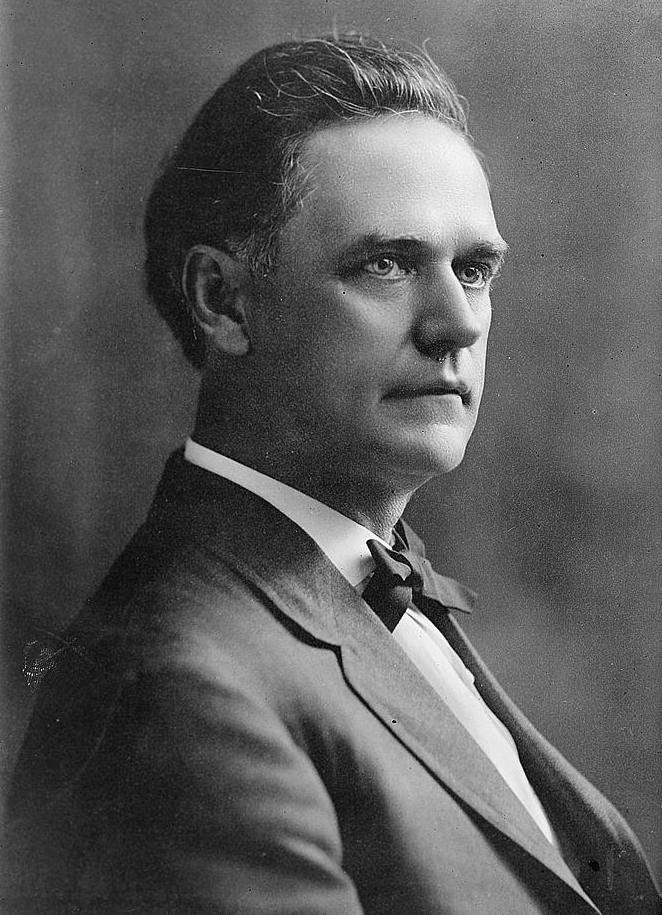
Thomas Clarke Rye (June 2, 1863 – September 12, 1953) was an American politician who served as the 32nd governor of Tennessee from 1915 to 1919. An ardent supporter of prohibition of alcoholic beverages, he helped reunify the state's Democratic Party, which had been divided over the issue for nearly a decade. Rye is perhaps best remembered for enacting the "Ouster Law," which was aimed at curbing the power of political boss E. H. Crump.
Rye was born in Benton County, Tennessee, the son of Wayne Rye, a merchant, and Elizabeth (Atchison) Rye. He was educated at local schools, and read law under his uncle, Colonel Tom Morris, in nearby Charlotte, Tennessee. In 1884, after his admission to the bar, he moved to Camden, Tennessee, to practice law. During the 1890s, he served as circuit master of Camden's chancery court, and worked for several years as a pension agent in Washington, D. C. In 1902, Rye moved to Paris, Tennessee, where he established a law partnership with W.W. Farquard.
Rye served as District Attorney for the Thirteenth Judicial District from 1910 to 1914. He quickly gained a reputation as the state's most "stringent" law enforcement agent, and was described as a "terror to the bootleggers and dispensers of whisky."
In the early 1910s, the state Democratic Party was divided over the issue of prohibition. One faction, known as the "Independent Democrats," wanted the state's Four Mile Law (which banned the sale of liquor within four miles of any school) to apply statewide, while the other faction, known as the "Regular Democrats," wanted the state's larger cities to be exempt from the law. In 1910, the Independent Democrats fled the party and formed a coalition, known as the "Fusionists," with Republicans, helping to elect Governor Ben W. Hooper.
At its May convention in 1914, the Democratic Party added statewide prohibition to the party's platform, all but ending the rift between Regular and Independent Democratics. Rye, well known among supporters of prohibition, received the endorsements of Senator Luke Lea and former Governor Malcolm R. Patterson, and was nominated as the party's candidate. With the party once again unified, Rye defeated Hooper 137,656 votes to 116,667. Hooper accused Memphis political boss E.H. Crump of fixing the vote in Shelby County, but no investigation was launched.
During his first term, Rye enacted the so-called "Ouster Law," which allowed for the removal of public officials for incompetence or unwillingness to enforce the law. This law was aimed primarily at Crump, who as Mayor of Memphis had refused to enforce prohibition in the city. The state attorney general filed a suit removing Crump in October 1915. When the Tennessee Supreme Court upheld the action, the Rye administration proceeded to purge any official who refused to enforce prohibition, among them District Attorney Newton Estes and Judge Jesse Edgington of Memphis, as well as several officials in Nashville (including Mayor Hilary Howse) and Knoxville.
Rye's administration created the State Highway Department (the modern Tennessee Department of Transportation) in 1915. He signed legislation requiring automobile registration, and implemented a state highway tax to match federal funding. In April 1915, Rye attended a meeting of the Dixie Highway Association, where he helped set the route of the Dixie Highway, an early tourist road connecting the Midwestern states with Florida.
In March 1915, Rye signed legislation chartering Tennessee Polytechnic Institute (modern Tennessee Technological University) in Cookeville. During his tenure, he expanded the state's Board of Education, and implemented a tax to support schools.
Hub AI
Thomas Clarke Rye AI simulator
(@Thomas Clarke Rye_simulator)
Thomas Clarke Rye
Thomas Clarke Rye (June 2, 1863 – September 12, 1953) was an American politician who served as the 32nd governor of Tennessee from 1915 to 1919. An ardent supporter of prohibition of alcoholic beverages, he helped reunify the state's Democratic Party, which had been divided over the issue for nearly a decade. Rye is perhaps best remembered for enacting the "Ouster Law," which was aimed at curbing the power of political boss E. H. Crump.
Rye was born in Benton County, Tennessee, the son of Wayne Rye, a merchant, and Elizabeth (Atchison) Rye. He was educated at local schools, and read law under his uncle, Colonel Tom Morris, in nearby Charlotte, Tennessee. In 1884, after his admission to the bar, he moved to Camden, Tennessee, to practice law. During the 1890s, he served as circuit master of Camden's chancery court, and worked for several years as a pension agent in Washington, D. C. In 1902, Rye moved to Paris, Tennessee, where he established a law partnership with W.W. Farquard.
Rye served as District Attorney for the Thirteenth Judicial District from 1910 to 1914. He quickly gained a reputation as the state's most "stringent" law enforcement agent, and was described as a "terror to the bootleggers and dispensers of whisky."
In the early 1910s, the state Democratic Party was divided over the issue of prohibition. One faction, known as the "Independent Democrats," wanted the state's Four Mile Law (which banned the sale of liquor within four miles of any school) to apply statewide, while the other faction, known as the "Regular Democrats," wanted the state's larger cities to be exempt from the law. In 1910, the Independent Democrats fled the party and formed a coalition, known as the "Fusionists," with Republicans, helping to elect Governor Ben W. Hooper.
At its May convention in 1914, the Democratic Party added statewide prohibition to the party's platform, all but ending the rift between Regular and Independent Democratics. Rye, well known among supporters of prohibition, received the endorsements of Senator Luke Lea and former Governor Malcolm R. Patterson, and was nominated as the party's candidate. With the party once again unified, Rye defeated Hooper 137,656 votes to 116,667. Hooper accused Memphis political boss E.H. Crump of fixing the vote in Shelby County, but no investigation was launched.
During his first term, Rye enacted the so-called "Ouster Law," which allowed for the removal of public officials for incompetence or unwillingness to enforce the law. This law was aimed primarily at Crump, who as Mayor of Memphis had refused to enforce prohibition in the city. The state attorney general filed a suit removing Crump in October 1915. When the Tennessee Supreme Court upheld the action, the Rye administration proceeded to purge any official who refused to enforce prohibition, among them District Attorney Newton Estes and Judge Jesse Edgington of Memphis, as well as several officials in Nashville (including Mayor Hilary Howse) and Knoxville.
Rye's administration created the State Highway Department (the modern Tennessee Department of Transportation) in 1915. He signed legislation requiring automobile registration, and implemented a state highway tax to match federal funding. In April 1915, Rye attended a meeting of the Dixie Highway Association, where he helped set the route of the Dixie Highway, an early tourist road connecting the Midwestern states with Florida.
In March 1915, Rye signed legislation chartering Tennessee Polytechnic Institute (modern Tennessee Technological University) in Cookeville. During his tenure, he expanded the state's Board of Education, and implemented a tax to support schools.
Recent media