



Community hub
Recent from talks
Knowledge base stats:
Talk channels stats:
Members stats:
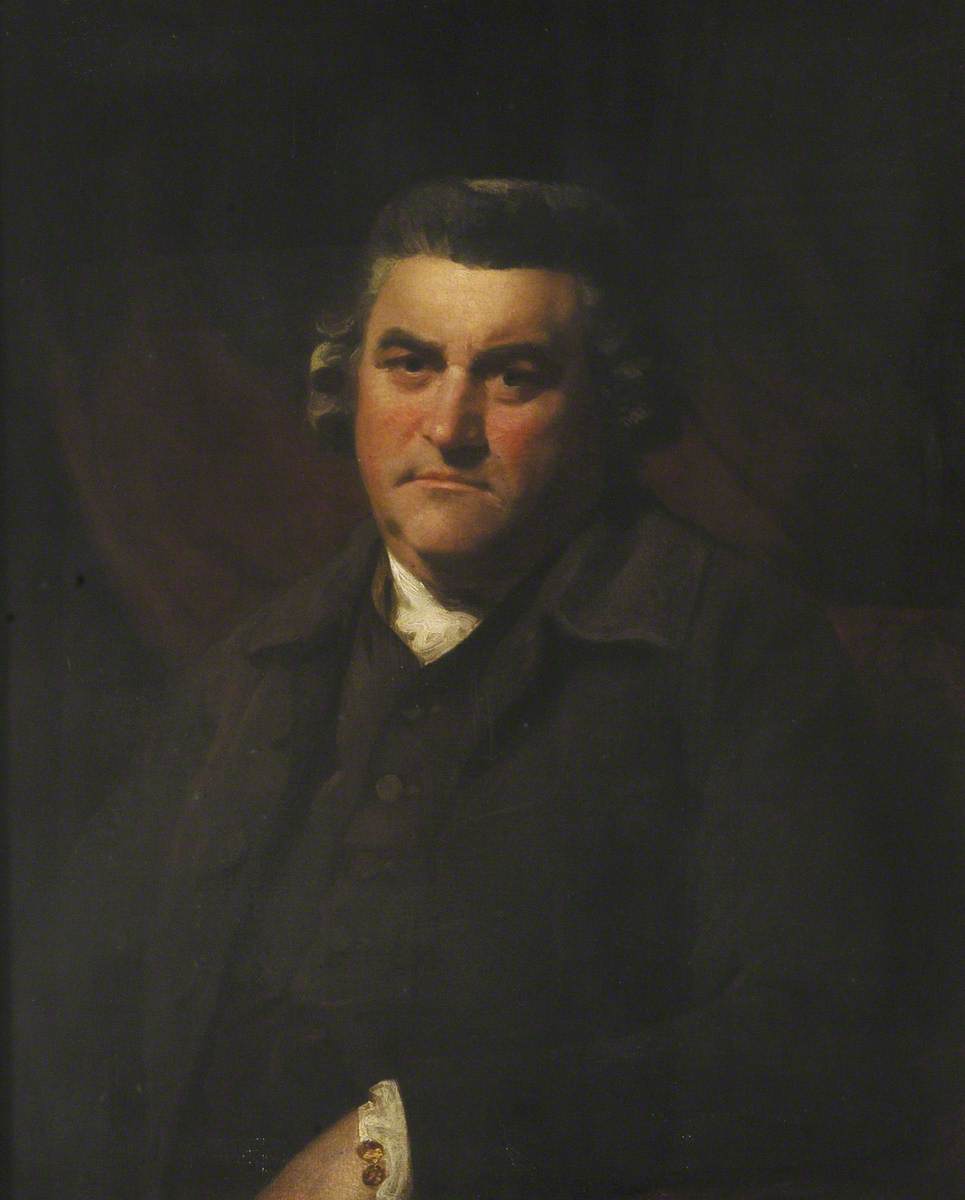
Thomas Warton
Thomas Warton (9 January 1728 – 21 May 1790) was an English literary historian, critic, and poet. He was appointed Poet Laureate in 1785, following the death of William Whitehead.
He is sometimes called Thomas Warton the younger to distinguish him from his father, who had the same name. His most famous poem is The Pleasures of Melancholy, a representative work of the Graveyard Poets. He is also known for The History of English Poetry (1774-81), which is generally acknowledged to be the first narrative English literary history.
Warton was born in Basingstoke, Hampshire, the son of poet Thomas Warton, the Elder, and younger brother of Joseph Warton and Jane Warton. As a youngster, Warton demonstrated a strong predilection toward writing poetry, a skill he would continue to develop all of his life. In fact, Warton translated one of Martial's epigrams at nine and wrote The Pleasures of Melancholy at seventeen.
His early education was given to him by his father at home. In March 1744, aged 16, he entered Trinity College, Oxford. He graduated from Oxford in 1747, where he subsequently became a Fellow. Warton was selected as Poet Laureate of Oxford in 1747 and again in 1748. His duty in this post was to write a poem about a selected patroness of the university, which would be read to her on a specially appointed day.
Warton was appointed Professor of Poetry at the university in 1757, a post that he held for ten years.
In 1771, he was appointed rector of Kiddington in Oxfordshire, a post he held until his death. In 1785, he was appointed Camden Professor of History, as well as the eighth Poet Laureate.
Among other important contributions, Warton, along with his brother, was among the first to argue that Sir Thopas, by Geoffrey Chaucer, was a parody. Warton contributed to the general project of the ballad revival. He was a general supporter of the poetry of Thomas Gray—a fact that Johnson satirized in his parody "Hermit hoar, in solemn cell." Among his minor works were an edition of Theocritus, a selection of Latin and Greek inscriptions, the humorous Oxford Companion to the Guide and Guide to the Companion (1762); lives of Sir Thomas Pope and Ralph Bathurst; and an Inquiry into the Authenticity of the Poems attributed to Thomas Rowley (1782).
Warton gave little attention to his clerical duties, and Oxford always remained his home. He was known as a very easy and convivial as well as a very learned don, with a taste for taverns and crowds as well as dim aisles and romances.
Hub AI
Thomas Warton AI simulator
(@Thomas Warton_simulator)
Thomas Warton
Thomas Warton (9 January 1728 – 21 May 1790) was an English literary historian, critic, and poet. He was appointed Poet Laureate in 1785, following the death of William Whitehead.
He is sometimes called Thomas Warton the younger to distinguish him from his father, who had the same name. His most famous poem is The Pleasures of Melancholy, a representative work of the Graveyard Poets. He is also known for The History of English Poetry (1774-81), which is generally acknowledged to be the first narrative English literary history.
Warton was born in Basingstoke, Hampshire, the son of poet Thomas Warton, the Elder, and younger brother of Joseph Warton and Jane Warton. As a youngster, Warton demonstrated a strong predilection toward writing poetry, a skill he would continue to develop all of his life. In fact, Warton translated one of Martial's epigrams at nine and wrote The Pleasures of Melancholy at seventeen.
His early education was given to him by his father at home. In March 1744, aged 16, he entered Trinity College, Oxford. He graduated from Oxford in 1747, where he subsequently became a Fellow. Warton was selected as Poet Laureate of Oxford in 1747 and again in 1748. His duty in this post was to write a poem about a selected patroness of the university, which would be read to her on a specially appointed day.
Warton was appointed Professor of Poetry at the university in 1757, a post that he held for ten years.
In 1771, he was appointed rector of Kiddington in Oxfordshire, a post he held until his death. In 1785, he was appointed Camden Professor of History, as well as the eighth Poet Laureate.
Among other important contributions, Warton, along with his brother, was among the first to argue that Sir Thopas, by Geoffrey Chaucer, was a parody. Warton contributed to the general project of the ballad revival. He was a general supporter of the poetry of Thomas Gray—a fact that Johnson satirized in his parody "Hermit hoar, in solemn cell." Among his minor works were an edition of Theocritus, a selection of Latin and Greek inscriptions, the humorous Oxford Companion to the Guide and Guide to the Companion (1762); lives of Sir Thomas Pope and Ralph Bathurst; and an Inquiry into the Authenticity of the Poems attributed to Thomas Rowley (1782).
Warton gave little attention to his clerical duties, and Oxford always remained his home. He was known as a very easy and convivial as well as a very learned don, with a taste for taverns and crowds as well as dim aisles and romances.