Hubbry Logo
Tim UppalTim UppalMain
Open search
Tim Uppal
Community hub
Tim Uppal
logo
8 pages, 0 posts
0 subscribers
Be the first to start a discussion here.
Tim Uppal
Tim Uppal
from Wikipedia

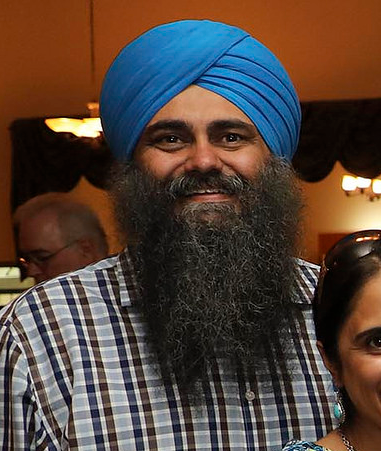
Tim Singh Uppal PC MP (born November 14, 1974) is a Canadian politician, banker, and radio host who is the member for Edmonton Gateway in the Parliament of Canada following the 2025 Canadian election.[3] He served as the Conservative Member of Parliament for Edmonton—Sherwood Park from 2008 to 2015. On July 15, 2013, Uppal was moved from Minister of State for Democratic Reform to the portfolio of Minister of State (Multiculturalism).

Key Information

Uppal's riding was abolished ahead of the 2015 election, and he opted to transfer to the newly created riding of Edmonton Mill Woods. He lost to Liberal candidate Amarjeet Sohi, but won the seat from Sohi in the 2019 election. He was re-elected in 2021.

In 2022, Uppal was named Deputy Leader of the Opposition and Deputy Leader of the Conservative Party.

Early life

[edit]

Uppal was born on November 14, 1974, in the city of New Westminster, in the Lower Mainland region of British Columbia, and was raised in Edmonton, Alberta. His family were Sikhs who emigrated from Punjab, India. From 1992 to 1997, he was executive producer and host of a radio show on CKER in Edmonton. In 2004, he became a residential mortgage manager at TD Canada Trust. Uppal is the founder and president of the South Edmonton Youth Group and has been a member of the Capital Health, Community Health Council since 2001. For several years, he was an active member of the Sherwood Park Chamber of Commerce and the Sherwood Park Rotary Club. He was also a founding member of the Edmonton Police Community Advisory Council.

Member of Parliament

[edit]

In the 2000 federal election, Uppal ran for the Canadian Alliance in the riding of Edmonton Southeast, where he lost by fewer than 5,000 votes. In the 2004 federal election, he was defeated again, but only by 134 votes. And in the 2008 federal election, Uppal won the riding of Edmonton-Sherwood Park, becoming Member of Parliament for the Alberta riding.

In December 2008, Uppal was appointed to the Standing Committee on Health and the Standing Committee on Heritage.[4] He was promoted to acting chair of the Health Committee in 2010.

Abortion

[edit]

Uppal voted in support of Bill C-233 - An Act to amend the Criminal Code (sex-selective abortion), which would make it a criminal offence for a medical practitioner to knowingly perform an abortion solely on the grounds of the child's genetic sex.[5][non-primary source needed]

National Holocaust Monument

[edit]

In 2007, Laura Grosman, a student at the University of Ottawa, and granddaughter of a Holocaust survivor, began advocating for a monument to be constructed to commemorate the atrocities committed by the Nazis. Initially, Grosman teamed up with Conservative MP Peter Kent, a former journalist and news anchor, who pledged his support. However, due to his appointment to the Stephen Harper cabinet, Kent could not introduce a private member's bill. Kent sought out Uppal, who had a prime position on the order paper and agreed to sponsor the bill - eventually named Bill C-442. Uppal considered this endeavor a vital contribution to Canada and, alongside Grosman, worked to secure all-party support.[6] Uppal also said he was influenced to support the initiative by his wife Kiran, who joined the Ottawa March of the Living delegation in 1994, the only Sikh participant taking part in the journey.[7] Uppal introduced Bill C-442 in 2010. Speaking in the House of Commons, he noted that Canada was the only allied nation without a Holocaust memorial.[8]

Bill C-442 was passed in the House of Commons with unanimous support from all parties. The bill received Royal Assent in March 2011. The National Holocaust Monument was officially unveiled in Ottawa on September 27, 2017.

Minister of State (Democratic Reform)

[edit]

In 2011, Uppal was appointed Minister of State (Democratic Reform). Uppal is the first Turban-wearing Sikh to be appointed to the Canadian Cabinet, one of five Visible Minorities serving as Ministers in the Harper government. During his time as Minister of State for Democratic Reform, Uppal focused on the issue of over-populated constituencies and redistribution of federal riding borders.

For a time his ministry pursued Bill C-7, “An Act respecting the selection of senators and amending the Constitution Act, 1867 in respect of Senate term limits”[9][10]

Minister of State (Multiculturalism)

[edit]

In July 2013, in a cabinet reshuffle, Uppal was appointed Minister of State (Multiculturalism).[11]

Electoral record

[edit]
2025 Canadian federal election: Edmonton Gateway
** Preliminary results — Not yet official **
Party Candidate Votes % ±% Expenditures
Conservative Tim Uppal 26,366 50.64 +7.52
Liberal Jeremy Hoefsloot 19,340 37.14 +11.73
New Democratic Madeline Mayes 2,585 4.96 –20.36
No affiliation Rod Loyola 2,464 4.74 N/A
Independent Ashok Patel 838 1.61 N/A
People's Paul McCormack 476 0.91 –4.75
Total valid votes/expense limit
Total rejected ballots
Turnout 52,069 68.00
Eligible voters 76,570
Conservative notional hold Swing –2.11
Source: Elections Canada[12][13]
2021 Canadian federal election: Edmonton Mill Woods
Party Candidate Votes % ±%
Conservative Tim Uppal 18,392 37.9% -12.4
Liberal Ben Henderson 16,499 34.0% +0.4
New Democratic Nigel Logan 10,553 21.8% +9.7
People's Paul Edward McCormack 2,898 6.0% +4.2
Communist Naomi Rankin 172 0.4% -
Total valid votes 48,514
Total rejected ballots 380
Turnout 48,894
Eligible voters 77,062
Conservative hold Swing -6.4
Source: Elections Canada[14]


2019 Canadian federal election: Edmonton Mill Woods
Party Candidate Votes % ±% Expenditures
Conservative Tim Uppal 26,736 50.3% +9.24 $95,203.34
Liberal Amarjeet Sohi 17,879 33.6% -7.64 $100,305.12
New Democratic Nigel Logan 6,422 12.1% -0.68 $6,657.04
Green Tanya Herbert 968 1.8% -0.41 none listed
People's Annie Young 953 1.8% - $393.75
Christian Heritage Don Melanson 219 0.4% -0.18 $2,626.06
Total valid votes/expense limit 53,177 100.0
Total rejected ballots 342
Turnout 53,519 69.0
Eligible voters 77,610
Conservative gain from Liberal Swing +8.49
Source: Elections Canada[15][16][17]
2015 Canadian federal election: Edmonton Mill Woods
Party Candidate Votes % ±% Expenditures
Liberal Amarjeet Sohi 20,423 41.24 +29.52 $136,379.94
Conservative Tim Uppal 20,331 41.06 -17.88 $126,472.41
New Democratic Jasvir Deol 6,330 12.78 -12.61 $55,302.53
Green Ralph McLean 1,096 2.21 -0.78 $1,671.63
Independent Colin Stubbs 560 1.13 $5,091.44
Libertarian Allen K.W. Paley 396 0.80
Christian Heritage Peter Downing 285 0.58 $3,798.53
Communist Naomi Rankin 96 0.19
Total valid votes/expense limit 49,517 99.54   $206,234.63
Total rejected ballots 227 0.46
Turnout 49,744 67.84
Eligible voters 73,323
Liberal gain from Conservative Swing +23.70
These results were subject to a judicial recount,[18] and modified from the validated results in accordance with the Judge's rulings. The margin of Sohi over Uppal increased from 79 votes to 92 votes as a result of the recount.[19]
Source: Elections Canada[20][21]


2011 Canadian federal election: Edmonton—Sherwood Park
Party Candidate Votes % ±% Expenditures
Conservative Tim Uppal 24,623 44.66 +8.82 $92,544
Independent James Ford 16,263 29.50 -2.95 $43,356
New Democratic Mike Scott 7,971 14.46 +1.57 $61
Liberal Rick Szostak 4,131 7.49 -3.85 $21,455
Green Chris Vallee 1,926 3.49 -3.99 $1,475
Western Block Paul St. Laurent 222 0.40 * $1,689
Total valid votes/expense limit 55,136 100.00
Total rejected ballots 148 0.27 -0.01
Turnout 55,284 59.14 +4.05
Eligible voters 93,478
2008 Canadian federal election: Edmonton—Sherwood Park
Party Candidate Votes % ±% Expenditures
Conservative Tim Uppal 17,628 35.84 -28.13 $85,943
Independent James Ford 15,960 32.45 $34,907
New Democratic Brian LaBelle 6,339 12.89 -1.42 $110
Liberal Rick Szostak 5,575 11.34 -3.02 $24,297
Green Nina Erfani 3,678 7.48 +0.13 $3,171
Total valid votes/expense limit 49,180 100.00 $90,906
Total rejected ballots 139 0.28
Turnout 49,319 55.09
2004 Canadian federal election: Edmonton—Beaumont
Party Candidate Votes % ±% Expenditures
Liberal David Kilgour 17,555 42.82 $65,152
Conservative Tim Uppal 17,421 42.49 $66,701
New Democratic Paul Reikie 3,975 9.70 $4,138
Green Michael Garfinkle 1,911 4.65 $788
Communist Naomi Rankin 135 0.33 $751
Total valid votes 40,997 100.00
Total rejected ballots 181 0.44
Turnout 41,178 59.67
2000 Canadian federal election: Edmonton Southeast
Party Candidate Votes % Expenditures
Liberal David Kilgour 21,109 50.87 $59,600
Alliance Tim Uppal 16,392 39.50 $59,294
Progressive Conservative Allan Ryan 2,269 5.46 $870
New Democratic Joginder Kandola 1,285 3.09 $7,150
Natural Law Richard Shelford 187 0.45
Canadian Action Michael Sekuloff 154 0.37 $1,475
Communist Matthew James 97 0.23 $238
Total valid votes 41,493
Total rejected ballots 139 0.33
Turnout 41,632 61.83

References

[edit]
[edit]
Revisions and contributorsEdit on WikipediaRead on Wikipedia
from Grokipedia

Tim Singh Uppal PC MP (born November 14, 1974) is a Canadian politician who serves as the Member of Parliament for Edmonton Gateway since 2025 and as Deputy Leader of the Conservative Party of Canada. Born in New Westminster, British Columbia, to parents who emigrated from Punjab, India, Uppal was raised in Edmonton, Alberta, where he pursued business interests including banking and radio hosting prior to entering federal politics. He holds an MBA from the Ivey School of Business at Western University.
First elected to the House of Commons in 2010 as the representative for Edmonton—Sherwood Park, Uppal served one term before losing re-election in 2015 amid the Liberal landslide. He returned to Parliament in 2019 by winning the redistributed riding of Edmonton Mill Woods from incumbent Liberal Amarjeet Sohi, securing re-election in 2021 and again in the 2025 general election for the further adjusted Edmonton Gateway following electoral boundary changes. During the Conservative government of Stephen Harper, Uppal advanced through roles including Parliamentary Secretary to the Minister of Finance, Minister of State for Multiculturalism in 2013, and Minister of State for Sport in 2014, where he contributed to policies on immigration integration and athletic development. In opposition, he has focused on economic critiques, community safety, and party leadership support, while facing scrutiny over past involvement in culturally charged debates such as niqab restrictions during elections, for which he later expressed regret regarding divisiveness. Uppal remains active in Edmonton's multicultural communities, drawing on his Punjabi heritage and involvement in sports like cricket to engage constituents.

Early life and education

Childhood and family background

Tim Uppal was born in New Westminster, British Columbia, in 1974, to parents who emigrated from rural Punjab, India. His father arrived first in British Columbia during the 1970s, establishing the family in Canada from modest origins lacking significant education or wealth. As the firstborn son in this hardworking immigrant household, Uppal represents a first-generation Canadian of Sikh heritage. The family relocated to Edmonton, Alberta, when Uppal was a young child, where he spent the majority of his upbringing in a community emphasizing self-reliance and pride in Canadian values.

Academic and early professional pursuits

Uppal earned a Master of Business Administration (MBA) from the Ivey School of Business at the University of Western Ontario. In his early professional career, Uppal worked as a residential mortgage manager at TD Canada Trust, focusing on financial services in Edmonton. He also served as executive producer and host of a radio program on CKER in Edmonton, engaging with community issues through media. Prior to his election to Parliament in 2008, he acted as a senior advisor to the Conservative Party of Canada, contributing to organizational and policy development efforts.

Pre-political career

Banking and financial roles

Prior to entering politics, Uppal served as a residential mortgage manager at TD Canada Trust, where he managed home financing solutions for clients in the Edmonton area. In this capacity, he handled mortgage applications, assessments of borrower creditworthiness, and advisory services on residential lending products, drawing on his business administration background to facilitate homeownership amid varying economic conditions in Alberta's housing market during the early 2000s oil boom. This role positioned him as a bank manager with direct involvement in financial services tailored to individual and family needs, emphasizing practical lending practices over broader institutional policy. Uppal's financial experience extended to general banking operations, contributing to his reputation as a professional in the sector before shifting focus to community and political activities around 2000. No public records detail executive-level positions or involvement in investment banking, corporate finance, or regulatory roles; his tenure appears centered on retail mortgage services at a major Canadian financial institution. This practical grounding in personal finance informed his later advocacy for economic policies supporting small businesses and homeowners, though it remained secondary to his media and advisory work in the Conservative ecosystem.

Community and media involvement

Prior to his entry into politics, Uppal served as executive producer and host of a radio program on CKER-AM in Edmonton from 1992 to 1997, focusing on community-oriented content. This role provided early exposure to public engagement and media, aligning with his later advisory work for the Conservative Party of Canada. Uppal maintained active community involvement in Edmonton through volunteering with multiple local organizations, contributing to service initiatives prior to 2008. He founded and led the South Edmonton Lions Club, a chapter of the international service organization dedicated to community projects such as youth programs and humanitarian aid. His efforts earned recognition as the Outstanding Young Edmontonian in 2005 by the Edmonton Junior Chamber of Commerce, honoring his contributions to civic betterment.

Entry into politics

2008 election and initial parliamentary service

Tim Uppal was first elected to the House of Commons as the Conservative representative for Edmonton—Sherwood Park in the federal election on October 14, 2008. He secured victory over the Liberal candidate by a margin of over 1,500 votes in a competitive race. This win marked his entry into federal politics following an unsuccessful bid in the 2004 election in the same riding. During the 40th Parliament (2008–2011), Uppal served as a backbench Member of Parliament, focusing on constituency matters and participating in legislative proceedings. In December 2008, he joined the Standing Committee on Health, contributing to discussions on health policy issues such as neurological diseases and public health initiatives. He was also appointed to the Standing Committee on Canadian Heritage, where he engaged with matters related to cultural preservation and broadcasting. As a representative of a diverse suburban riding, Uppal emphasized community engagement, drawing on his background in finance and media to advocate for local economic and multicultural interests within the Conservative caucus.

2011 re-election and rising prominence

In the federal election on May 2, 2011, Uppal secured re-election as the Conservative Member of Parliament for Edmonton—Sherwood Park, defeating his closest challenger by a margin of 15 percentage points amid the party's nationwide majority victory. This result reflected strong local support in the suburban Alberta riding, where Uppal had first won in 2008, and aligned with the Conservative Party's expanded mandate under Prime Minister Stephen Harper. Uppal's re-election positioned him for swift advancement within the government. On May 18, 2011, Harper appointed him Minister of State for Democratic Reform, a junior cabinet role focused on electoral and parliamentary institutions. He served in this capacity until July 15, 2013, introducing legislation to strengthen voter identification requirements and pursuing reforms to Senate appointment processes and House of Commons representation to address regional disparities. The appointment marked Uppal's elevated status as one of the newer faces in Harper's post-election cabinet shuffle, emphasizing continuity and targeted expertise in governance modernization. As the first turban-wearing Sikh to hold a federal cabinet position, Uppal's role highlighted the Conservative government's integration of diverse backgrounds into senior decision-making, while he advocated for practical changes to enhance democratic accountability.

Ministerial roles (2013–2015)

Minister of State for Democratic Institutions

Tim Uppal served as Minister of State for Democratic Reform from May 18, 2011, to July 14, 2013, overseeing efforts to strengthen Canada's electoral and parliamentary institutions. In this capacity, he advanced legislative measures aimed at addressing representational imbalances and enhancing accountability in unelected bodies. A primary initiative under Uppal's tenure was the Fair Representation Act (Bill C-20), enacted on December 16, 2011, which expanded the House of Commons from 308 to 338 seats to better align representation with population growth. The act allocated 15 additional seats to Ontario, six each to Alberta and British Columbia, and three to Quebec, prioritizing provinces with faster-growing populations to move toward the principle of representation by population (rep-by-pop). This reform corrected longstanding under-representation in Western provinces, where population increases had outpaced seat allocations. Uppal also championed the Senate Reform Act (Bill C-7), introduced in June 2011 and passed by the House of Commons in 2012, which sought to introduce democratic elements to the upper chamber by mandating non-binding elections for Senate vacancies and limiting terms to nine years. The legislation aimed to reduce patronage appointments and improve responsiveness, though it was ultimately deemed unconstitutional by the Supreme Court of Canada in 2014 for requiring provincial consent under the constitutional amending formula. Additional efforts included consultations on political financing reforms and adjustments to electoral boundaries to reflect demographic shifts, contributing to a broader agenda of restoring fairness in federal institutions. Critics, including opposition parties, contended that these changes disproportionately benefited Conservative-leaning regions, but proponents emphasized empirical population data as the basis for equitable adjustments.

Minister of State for Multiculturalism

Tim Uppal served as Minister of State for Multiculturalism from July 15, 2013, to November 4, 2015, assisting the Minister of Citizenship and Immigration in advancing Canada's multiculturalism policy. In this role, Uppal focused on promoting integration into Canadian society, emphasizing shared values such as equality and individual rights over practices incompatible with the Charter of Rights and Freedoms, while engaging ethnic communities through outreach and events. A key aspect of Uppal's tenure involved defending and implementing policies to ensure visible participation in citizenship ceremonies, including the requirement for applicants to remove face coverings like the niqab during the oath to verify identity and demonstrate public commitment to Canada. This policy, originally introduced in 2011, faced legal challenges but was upheld by Uppal as essential for transparency and integration, distinguishing it from accommodations for religious headwear like turbans that do not obscure the face. Uppal also supported the Zero Tolerance for Barbaric Cultural Practices Act (Bill S-7), enacted on December 17, 2015, which raised the minimum marriage age to 16 nationwide, eliminated loopholes allowing minors to marry with parental consent, and introduced peace bonds to protect individuals at risk of honour-based violence or forced marriage. As multiculturalism minister, he positioned the legislation as a defense of vulnerable persons, particularly women and girls, against practices such as polygamy and female genital mutilation, aligning with empirical evidence of honour killings and forced marriages in Canada documented by police and advocacy groups. During his term, Uppal addressed community gatherings to highlight "peaceful pluralism," such as speaking at the Ahmadiyya Muslim community's Jalsa Salana convention in 2014, where he underscored multiculturalism's role in fostering unity amid diversity without excusing extremism. These efforts reflected a Conservative approach prioritizing civic integration and protection from imported harms, though later critiqued by some as overly focused on specific communities.

Contributions to immigration reform

Uppal supported legislative changes to enhance the integrity and integration aspects of Canada's citizenship process as part of broader immigration reforms under the Harper government. He voted in favor of Bill C-24, the Strengthening Canadian Citizenship Act, introduced in 2014, which amended the Citizenship Act to include measures such as revoking citizenship for dual nationals convicted of terrorism, fraud, or treason; requiring demonstrated language proficiency; and mandating an intent to reside in Canada upon naturalization. As Minister of State for Multiculturalism, Uppal served as the official spokesperson defending the bill's provision barring face coverings like the niqab during the citizenship oath ceremony, arguing it ensured visible and open affirmation of allegiance to Canada and its values. In this role, Uppal emphasized policies promoting social cohesion and equal participation for immigrants, aligning with Conservative efforts to tie immigration more closely to economic priorities and effective settlement. He advocated for streamlined processes to reduce backlogs and attract skilled workers, particularly from source countries like India, while stressing the necessity of English or French language skills for long-term integration and economic contribution. These positions reflected the government's shift toward an immigration system responsive to labor market needs, including pre-arrival orientation services to facilitate smoother transitions. Uppal also addressed vulnerabilities in the system through parliamentary scrutiny. As a member of the House of Commons Standing Committee on Citizenship and Immigration, he interrogated officials on the resource strains caused by immigration fraud, such as unauthorized entry schemes that diverted departmental capacity from legitimate applications. During a 2012 visit to India, he publicly warned against scams targeting Punjabi applicants for illegal migration routes, underscoring the need for robust verification to maintain public trust in the program. These efforts contributed to a policy environment prioritizing merit-based selection and fraud prevention over expansive family reunification.

Electoral setbacks and resurgence

2015 defeat and opposition years

In the 2015 Canadian federal election held on October 19, Uppal sought re-election but switched to contest the newly configured riding of Edmonton Mill Woods, abandoning his previous seat of Edmonton—Sherwood Park—Fort Saskatchewan, which had been redistributed. He received approximately 19,948 votes, placing second to Liberal candidate Amarjeet Sohi, who secured the seat with a razor-thin initial margin of fewer than 80 votes. The closeness of the result prompted Uppal to apply for a judicial recount on October 23, which was granted by a court. Elections Canada announced on October 29 that the recount affirmed Sohi's win, with the final tally showing Sohi ahead by 9 votes after re-examination of ballots. This marked Uppal's exit from Parliament after seven years of service, amid the Conservative Party's national defeat to the Liberals under Justin Trudeau. From 2015 to 2019, with the Conservatives in official opposition federally, Uppal operated outside elected office but maintained ties to the party. By December 2018, the Conservative Party publicly welcomed him back to its organizational efforts, positioning him for a political return. He pursued and obtained the Conservative nomination for Edmonton Mill Woods in early 2019, setting the stage for his rematch against Sohi.

2019 and 2021 victories in Edmonton Mill Woods

In the federal election on October 21, 2019, Tim Uppal won the Edmonton Mill Woods riding for the Conservative Party, securing 26,736 votes or 50.3% of the popular vote and defeating incumbent Liberal Amarjeet Sohi. This outcome reversed Uppal's narrow defeat to Sohi in the same riding during the 2015 election, reclaiming the seat for Conservatives amid a broader Alberta swing against the Liberals, where the party won no seats province-wide. Uppal's 2019 victory margin exceeded 8,000 votes over Sohi, reflecting strong support in a diverse, suburban riding with significant South Asian and immigrant communities. The result aligned with Conservative gains in Edmonton, where Uppal's prior experience as a cabinet minister under Stephen Harper and focus on local issues like economic recovery contributed to his rematch success. In the subsequent federal election on September 20, 2021, Uppal defended the seat against Liberal challenger Ben Henderson, a former Edmonton city councillor, prevailing by a margin of 1,911 votes in a race too close to call on election night. Despite lower overall turnout amid the snap election, Uppal's incumbency and Conservative branding in Alberta secured his re-election, though the tighter contest highlighted the riding's competitiveness compared to 2019.

2025 election in Edmonton Gateway

Edmonton Gateway is a newly created federal electoral district in Alberta, established following the 2023 redistribution of ridings and first contested in the 2025 Canadian federal election held on April 28, 2025. The riding encompasses diverse suburban and urban areas in southern Edmonton, including communities with significant South Asian populations, aligning with Tim Uppal's prior base in the neighboring Edmonton Mill Woods riding. Tim Uppal, the Conservative Party candidate and former MP for Edmonton Mill Woods, sought election in Edmonton Gateway amid boundary changes that abolished his previous constituency. Uppal campaigned on themes of economic recovery, public safety, and criticism of Liberal fiscal policies, emphasizing his experience as a former minister under Prime Minister Stephen Harper. His opponents included Jeremy Hoefsloot of the Liberal Party, a local community advocate; Madeline Mayes of the New Democratic Party; Paul McCormack of the People's Party of Canada; and independent candidate Rod Loyola, a former provincial MLA. In the election results, Uppal secured victory with 26,366 votes, representing 50.64% of the total 52,069 votes cast across 157 polling stations. Hoefsloot placed second with 19,340 votes (37.14%), followed by the other candidates with smaller shares. This margin of approximately 7,000 votes reflected strong Conservative support in the riding, consistent with national trends favoring the party on issues like inflation and housing affordability, though the Liberals formed a minority government overall. Uppal's win marked his continued representation of Edmonton-area constituents, entering the 45th Parliament as part of the Official Opposition. Voter turnout details and final certified figures from Elections Canada confirmed the outcome, with no reported irregularities in the district.

Key parliamentary positions and stances

Votes on social issues including abortion

Uppal has voted against legislative efforts to legalize euthanasia, opposing Bill C-384 in the 40th Parliament, which proposed amendments to the Criminal Code to permit assisted suicide and euthanasia for competent adults suffering from grievous and irremediable conditions. During debate on the bill, he argued that euthanasia represented "not a solution" to end-of-life suffering, emphasizing the need for improved palliative care instead. On abortion-related matters, Uppal supported Bill C-233, the Sex-selective Abortion Act, voting yea at second reading on June 2, 2021, in the 43rd Parliament; the bill sought to amend the Criminal Code to prohibit performing or attempting sex-selective abortions, as well as coercing a woman to undergo such a procedure. This position aligned with Conservative efforts to address discriminatory practices targeting female fetuses, though the bill did not advance further due to prorogation. However, he voted nay on Motion 312 on September 26, 2012, in the 41st Parliament, which called for a special committee to review scientific evidence on the determination of when a human is recognized by law as such—a motion framed by its sponsor, Conservative MP Stephen Woodworth, as a neutral examination of embryology rather than a direct challenge to abortion laws. Pro-life advocacy groups, such as Campaign Life Coalition, classified this vote as unfavorable, contributing to their assessment of Uppal's overall record on abortion as mixed despite his general pro-family orientation on other social matters. No recorded votes were identified for other major abortion bills during his tenure, such as Bill C-225 (Safe for Women Act) or Bill C-510 (Roxanne's Law), reflecting the rarity of such votes in the Canadian Parliament since the 1988 decriminalization of abortion.

Advocacy for Holocaust remembrance

Uppal introduced Bill C-442, An Act to establish a National Holocaust Monument, during the 40th Parliament, 2nd session, aiming to commemorate the six million Jewish victims of the Holocaust and other victims of Nazism in Canada's capital, noting that Canada was the only allied nation without such a memorial in its national capital. The private member's bill, reintroduced in subsequent sessions, sought to mandate the monument's construction on federal land in Ottawa and establish a development council to oversee planning, funding, and design. During second reading debate on December 8, 2009, Uppal emphasized the monument's role in honoring Holocaust survivors, combating racism and anti-Semitism, and educating future generations, stating it would serve as a "testament to the importance of ensuring that the memory of the Holocaust is never lost." As Minister of State for Multiculturalism from 2013 to 2015, Uppal advanced Holocaust remembrance through government initiatives, including participation in Yad Vashem's 60th anniversary mission to Israel in June 2014, where he underscored Canada's leadership in fighting anti-Semitism and preserving Holocaust lessons via enhanced education, remembrance, and research efforts. He delivered the keynote address at a Yom HaShoah Holocaust Remembrance Day service in London, Ontario, on April 16, 2015, hosted by the local Jewish community, highlighting the Holocaust's enduring lessons on humanity and tolerance. Uppal also contributed to the National Holocaust Monument Development Council, appointed in 2012, which facilitated the monument's eventual unveiling in Ottawa on September 27, 2017, after cross-party support propelled the legislation forward. Uppal's advocacy, notable for a Sikh MP representing a diverse Edmonton riding with limited Jewish population, focused on universal lessons from the Holocaust applicable to all faiths and backgrounds, asserting in January 2015 that "there is so much we can learn" from it to prevent future atrocities and foster multiculturalism grounded in shared remembrance. His efforts aligned with broader Conservative government priorities on anti-Semitism, including updates on monument progress shared at international forums like the Global Forum for Combating Antisemitism. In June 2025, following vandalism of the monument, Uppal condemned the act as an "affront to the Jewish community" and Canadian values of tolerance, reaffirming the need for vigilant remembrance.

Criticisms of liberal multiculturalism policies

Uppal has advocated for a form of multiculturalism bounded by adherence to core Canadian values, critiquing approaches that permit cultural practices conflicting with democratic norms, equality, and individual rights. During his tenure as Minister of State for Multiculturalism from 2013 to 2015, he supported initiatives emphasizing integration, such as funding programs that educate newcomers on Canadian pluralism and legal frameworks to foster socio-economic participation. This stance implicitly contrasts with liberal multiculturalism policies perceived as overly permissive, potentially enabling parallel societies by prioritizing cultural preservation over shared national principles. A key example is Uppal's endorsement of Bill C-75, introduced on June 19, 2015, which sought to prohibit face coverings during citizenship oaths to ensure visible identity and transparency in the process—measures he defended as essential to upholding the solemnity and equality inherent in Canadian citizenship ceremonies. Critics of liberal policies, including Conservative positions Uppal aligned with, argued that allowing such coverings undermines integration and signals tolerance for customs at odds with Canadian expectations of openness. In parliamentary debates, Uppal reinforced that multiculturalism must operate within "Canadian values of openness and equality," warning against dilutions that erode national cohesion. Uppal also highlighted risks in undifferentiated multicultural frameworks, particularly regarding antisemitism. On June 14, 2015, speaking at a community forum, he contended that equating antisemitism with other racisms or hate crimes "waters it down," failing to address its distinct ideological drivers and historical threats—a pointed critique of relativistic policies that treat all prejudices symmetrically without prioritizing those rooted in incompatible supremacist ideologies. This reflects broader Conservative concerns, echoed by Uppal, that liberal multiculturalism may inadvertently normalize or underemphasize threats from non-integrated cultural elements, as seen in the government's 2015 motion condemning "barbaric cultural practices" like forced marriages and honour-based violence, for which Uppal served as a key communicator. In opposition years, Uppal continued emphasizing integration requirements, such as stringent language proficiency for immigrants to facilitate economic and social incorporation, critiquing Liberal expansions of intake without commensurate support for value alignment amid rising housing strains and service pressures. While he expressed regret in June 2021 for the perceived divisiveness of some Harper-era implementations, Uppal maintained that confronting incompatible practices remains necessary to prevent multiculturalism from fostering division rather than unity. These positions underscore a consistent thread: liberal policies risk causal failures in assimilation by de-emphasizing enforceable norms, leading to empirical challenges like increased ethnic enclaves and cultural clashes documented in Canadian integration studies.

Controversies and criticisms

Niqab ban and citizenship oath debates

As Minister of State for Multiculturalism in Prime Minister Stephen Harper's government, Tim Uppal served as the spokesperson for a proposed legislative ban on face coverings, including the niqab, during citizenship oath ceremonies. In June 2015, amid an ongoing federal court challenge to an existing administrative directive requiring removal of face coverings for identification, Uppal introduced an amendment via Bill C-75 to codify the prohibition explicitly, stating it ensured oaths were taken "openly and visibly" to confirm identity and promote integration. The measure aligned with the Conservative Party's 2015 election platform, which emphasized barring niqabs during ceremonies as a matter of national security and cultural assimilation, drawing support from polls indicating majority public backing—such as a 2015 Angus Reid survey showing 82% of Canadians favored visible faces during oaths. Uppal defended the policy by distinguishing it from accommodations for Sikh turbans, asserting that turbans do not obscure facial features essential for identity verification at citizenship events or security checkpoints, unlike full face veils. He rejected criticisms from Liberal Leader Justin Trudeau, who labeled the ban discriminatory, calling Trudeau's remarks "outrageous and offensive" and arguing they undermined the principle that citizenship oaths demand facial visibility shared by "the vast majority of Canadians." Opponents, including civil liberties groups and the NDP, contended the policy targeted Muslim women and violated Charter rights to religious freedom, with a Federal Court ruling in February 2015 striking down the directive as unlawful for lacking parliamentary approval and infringing expression rights; the government appealed but lost a stay, allowing one plaintiff to proceed privately with her niqab before the October 19, 2015, election. The debates intensified during the 2015 campaign, with Conservatives framing the niqab issue as a test of Canadian values against imported practices, while Liberals and NDP pledged to rescind the ban, portraying it as divisive xenophobia despite court losses highlighting procedural flaws rather than outright invalidity of visibility requirements. Uppal's advocacy contributed to electoral polarization in ridings with immigrant voters, correlating with Conservative defeats including his own in Edmonton—South, though the party retained core support on the issue. In June 2021, following the truck attack on a Muslim family in London, Ontario, Uppal publicly apologized for his role, acknowledging the niqab policy fostered "divisiveness" and regretting his silence as a visible minority cabinet member, stating he should have advocated more inclusively within caucus. He reflected that while intended to uphold oath integrity, the approach alienated communities, prompting introspection on balancing security with multiculturalism.

"Barbaric cultural practices" initiative and later reflections

In his role as Minister of State for Multiculturalism from 2013 to 2015, Tim Uppal supported the Conservative government's Zero Tolerance for Barbaric Cultural Practices Act (Bill S-7), introduced in February 2015 and enacted in June 2015, which amended the Criminal Code and Immigration and Refugee Protection Act to explicitly criminalize forced marriages, withholding of identity or immigration documents to control family members, and related harms often linked to honour-based violence. The legislation aimed to eliminate legal loopholes, such as the partial defence of provocation in honour killings, and reinforced that practices like female genital mutilation and underage marriages have no place in Canada, aligning with empirical evidence of their physical and psychological harms, including increased risks of infection, infertility, and trauma documented in medical studies. During House of Commons debates on March 12, 2015, Uppal defended the bill as essential for protecting vulnerable individuals, particularly women and girls, from culturally imported abuses that contradict universal human rights standards. Amid the 2015 federal election, the Conservative campaign, with Uppal running for re-election in Edmonton—Sherwood Park, proposed a national tip line for citizens to report suspected barbaric cultural practices, framing it as a tool to enforce the new law and deter unreported incidents within immigrant communities. This element drew accusations of fearmongering and alienating ethnic minorities, though proponents argued it addressed underreporting of crimes like polygamy and forced betrothals, which statistics from organizations such as Statistics Canada indicate persist in isolated cases among certain diaspora groups. In subsequent years, Uppal reflected critically on the initiative's reception. Following a vehicle attack on a Muslim family in London, Ontario, on June 6, 2021, that killed four and injured one, he publicly apologized for his involvement, stating in a June 14, 2021, Facebook post and interviews: "When it came to these policies, I should have used my seat at the table to push against divisiveness that promoted the notion of the other. I regret not being a stronger voice and sincerely apologize for my role." He acknowledged that the policies, including the hotline concept, contributed to perceptions of othering and heightened Islamophobia among some Muslim Canadians, despite their intent to safeguard against verifiable abuses. In November 2021, while serving as outreach chair for Conservative leader Erin O'Toole, Uppal noted the hotline promise "still haunts" the party's efforts to engage racialized voters, attributing lingering distrust to the rhetoric's tone rather than the underlying anti-harm objectives, and affirmed such approaches "shouldn’t have happened" under current leadership. These reflections coincided with the Conservatives' limited gains in diverse ridings during the September 2021 election, where Uppal himself won in Edmonton Mill Woods.

Allegations of electoral irregularities

In the 2015 federal election for Edmonton Mill Woods, incumbent Conservative Tim Uppal trailed Liberal Amarjeet Sohi by 79 votes after validation of the initial count, which had shown an 80-vote margin. Uppal's legal team, citing affidavits from 18 witnesses, alleged voting irregularities at multiple polls and successfully petitioned for a judicial recount under the Canada Elections Act to ensure public confidence in the razor-thin result. The three-day recount, supervised by Alberta Court of Queen's Bench Justice John Rooke starting October 27, 2015, rejected 25 ballots deemed irregular but ultimately widened Sohi's lead to 92 votes, confirming her victory on October 29. Uppal's lawyer Jonathan Denis acknowledged that minor irregularities occur in most elections but argued the closeness warranted scrutiny; however, the judge found no pattern of fraud or errors impacting the outcome, with discrepancies primarily involving rejected ballots for issues like unmarked or multiple marks. Elections Canada reported no broader investigations stemming from the claims. During the 2019 federal campaign in the same riding, Uppal faced unproven allegations of involvement in identity fraud during the 2017 United Conservative Party (UCP) provincial leadership vote, which he won narrowly over challenger Jason Kenney. A CBC investigation, drawing on a letter from former UCP MLA Derek Fildebrandt to the RCMP, claimed Kenney's campaign—or associates—used unique voter PINs obtained illicitly to cast online ballots via kiosks, including one in Edmonton where Uppal was photographed on voting day. Sohi, Uppal's opponent, called the reports of voter fraud and PIN misuse "deeply disturbing" but emphasized they remained allegations without evidence of Uppal's direct role; Uppal's campaign offered no immediate response. The RCMP probe into UCP voting irregularities extended to federal Conservatives, with Uppal meeting investigators in August 2019, but yielded no charges against him or confirmation of his involvement; the UCP denied systemic fraud, attributing issues to individual actors. Alberta NDP Leader Rachel Notley cited the claims to question oversight in party votes, though mainstream media coverage, often from left-leaning outlets like CBC, amplified them amid broader anti-Conservative scrutiny without substantiating personal culpability for Uppal.

Leadership roles and recent activities

Shadow cabinet and caucus positions

Uppal was appointed Deputy Leader of the Conservative Party of Canada and the Official Opposition by party leader Pierre Poilievre on September 14, 2022, serving alongside Melissa Lantsman in the House of Commons leadership team. This caucus position involves assisting with opposition coordination, parliamentary tactics, and internal party management, drawing on Uppal's prior experience as a cabinet minister under Stephen Harper. In the expanded Official Opposition shadow cabinet announced on May 21, 2025—comprising over 70 members including shadow ministers and associates—Uppal retained his role as Deputy Leader without assignment to a specific policy critic portfolio. The reappointment, confirmed publicly on May 22, 2025, emphasized continuity in leadership amid post-election adjustments, with Uppal focusing on broader caucus cohesion and outreach to diverse voter bases. No additional caucus critic roles or subcommittee chairs have been documented for Uppal in this period, distinguishing his contributions from portfolio-specific shadow ministers.

Appointment as Deputy Leader of the Conservative Party

Tim Uppal was appointed as Deputy Leader of the Conservative Party of Canada on September 13, 2022, by Pierre Poilievre, who had been elected party leader three days earlier on September 10, 2022. This role positioned Uppal as one of two deputy leaders, alongside Melissa Lantsman, within Poilievre's initial House of Commons leadership team. The appointment reflected Uppal's prior parliamentary experience, including his tenure as a Conservative MP for Edmonton Mill Woods from 2011 to 2015 and his re-election in 2019 for the redistributed riding of Edmonton Gateway. In this capacity, Uppal also served as Deputy Leader of the Opposition, contributing to the party's strategic operations in the House of Commons. His background as Minister of State for Multiculturalism (2013–2015) under Prime Minister Stephen Harper provided continuity in addressing party outreach to diverse communities. The leadership structure emphasized experienced figures to support Poilievre's agenda following the 2021 federal election defeat. Uppal's appointment was reaffirmed in May 2025, when Poilievre announced an updated shadow cabinet and House leadership team on May 21, retaining Uppal and Lantsman as deputy leaders amid a broader reshuffle of critic roles. This continuity underscored Uppal's ongoing role in party operations as of October 2025.

Ongoing policy advocacy post-2025

Following his re-election in the 2025 federal election, where he secured 51% of the vote in Edmonton Gateway, Tim Uppal has continued to advocate for Conservative policies emphasizing public safety, fiscal restraint, and economic deregulation as Deputy Leader of the Conservative Party. In September 2025, Uppal promoted the party's plan to protect communities by addressing rising extortion and gang violence, attributing these issues to "weak and reckless Liberal policies" and calling for stricter penalties under Bill C-381, the Protection Against Extortion Act, which he introduced over a year prior. Uppal has intensified criticism of the Liberal government's fiscal management, highlighting the Parliamentary Budget Officer's October 2, 2025, report on "unsustainable spending" under Prime Minister Mark Carney, which he argued has left Canadians worse off economically. On October 14, 2025, he urged the government to eliminate taxes on fuel, fertilizer, and food to alleviate food insecurity, noting that more Canadian children are going hungry amid decade-long Liberal policies. In housing and regulatory reform, Uppal has advocated for cutting red tape and taxes to boost construction, blaming Liberal policies for stalling new builds and job losses as of September 9, 2025. He also supported the Canadian Sovereignty Act in a September 12, 2025, statement, pushing Parliament to repeal growth-stifling regulations and remove government barriers to economic prosperity. These efforts align with his broader stance against wasteful spending while expressing willingness to collaborate on measures serving national interests, as outlined in his August 2025 message to constituents. On October 23, 2025, Uppal critiqued the federal budget's economic priorities from a Conservative perspective, reinforcing calls for prioritized relief over expansive government intervention.

Electoral record

References

Add your contribution
Related Hubs
User Avatar
No comments yet.