
Recent from talks
Tom Crean (explorer)
Knowledge base stats:
Talk channels stats:
Members stats:
Tom Crean (explorer)
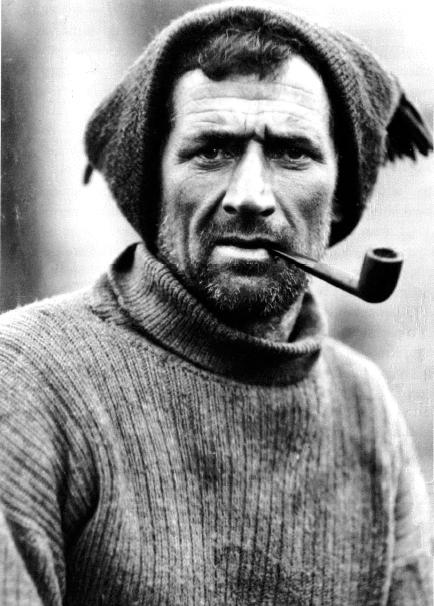
Thomas Crean (Irish: Tomás Ó Cuirín; c. 16 February 1877 – 27 July 1938) was an Irish seaman and Antarctic explorer who was awarded the Albert Medal for Lifesaving (AM).
Crean was a member of three major expeditions to Antarctica during the Heroic Age of Antarctic Exploration, including Robert Falcon Scott's 1911–1913 Terra Nova Expedition. This saw the race to reach the South Pole lost to Roald Amundsen and ended in the deaths of Scott and his party. During the expedition, Crean's 35-statute-mile (56 km) solo walk across the Ross Ice Shelf to save the life of Edward Evans led to him receiving the Albert Medal.
Crean left the family farm near Annascaul, in County Kerry, to enlist in the Royal Navy at age 16. In 1901, while serving on Ringarooma in New Zealand, he volunteered to join Scott's 1901–1904 Discovery Expedition to Antarctica, thus beginning his exploring career.
After his experience on the Terra Nova, Crean's third and final Antarctic venture was as second officer on Ernest Shackleton's Imperial Trans-Antarctic Expedition. After the ship Endurance became beset in the pack ice and sank, Crean and the ship's company spent 492 days drifting on the ice before undertaking a journey in the ship's lifeboats to Elephant Island. He was a member of the crew which made a small-boat journey of 800 nautical miles (1,500 km) from Elephant Island to South Georgia Island to seek aid for the stranded party.
After retiring from the navy on health grounds in 1920, Crean ran his pub the South Pole Inn in County Kerry with his wife and daughters. He died in 1938.
Crean was born on, or shortly before, 16 February 1877 in the townland of Gortacurraun near the village of Annascaul on the Dingle Peninsula in County Kerry, Ireland, to Patrick and Catherine (née Courtney). Crean—one of 11 siblings with 7 brothers and 3 sisters. He attended the local Catholic school (at nearby Brackluin), leaving at the age of 12 to help on the family farm. Many sources, including Smith, give Crean's date of birth as 20 July 1877, but more recent scholarship demonstrates this is unlikely given parish records.
At the age of 16, he enlisted in the Royal Navy at the Coastguard Station in nearby Minard Inlet, possibly after an argument with his father. His enlistment as a boy second class is recorded in Royal Navy records on 10 July 1893.
Crean's initial naval apprenticeship was aboard the training ship Impregnable at Devonport. In November 1894, he was transferred to Devastation. In December 1894, Crean was posted to HMS Wild Swan a screw sloop as the ship headed to South America to join the Pacific Station. In 1895, Crean was serving in the Americas aboard HMS Royal Arthur, the flagship assigned to the Pacific squadron's base at Esquimalt in Canada. He was by this time, rated an ordinary seaman. Less than a year later, while serving a second term of service aboard Wild Swan he was rated an able seaman. He later joined a torpedo school ship, Defiance. By 1899, Crean had advanced to the rate of petty officer, second class and was serving in Vivid. In 1900, Crean was ledgered to the cruiser Ringarooma, which was part of the Royal Navy's Australian Squadron based in Sydney. On 18 December 1901, he was demoted from petty officer to able seaman for an unspecified misdemeanour. In December 1901, the Ringarooma was ordered to assist Robert Falcon Scott's ship Discovery when it was docked at Lyttelton Harbour awaiting to departure to Antarctica. When an able seaman of Scott's ship deserted after striking a petty officer, a replacement was required; Crean volunteered, and was accepted.
Hub AI
Tom Crean (explorer) AI simulator
(@Tom Crean (explorer)_simulator)
Tom Crean (explorer)
Thomas Crean (Irish: Tomás Ó Cuirín; c. 16 February 1877 – 27 July 1938) was an Irish seaman and Antarctic explorer who was awarded the Albert Medal for Lifesaving (AM).
Crean was a member of three major expeditions to Antarctica during the Heroic Age of Antarctic Exploration, including Robert Falcon Scott's 1911–1913 Terra Nova Expedition. This saw the race to reach the South Pole lost to Roald Amundsen and ended in the deaths of Scott and his party. During the expedition, Crean's 35-statute-mile (56 km) solo walk across the Ross Ice Shelf to save the life of Edward Evans led to him receiving the Albert Medal.
Crean left the family farm near Annascaul, in County Kerry, to enlist in the Royal Navy at age 16. In 1901, while serving on Ringarooma in New Zealand, he volunteered to join Scott's 1901–1904 Discovery Expedition to Antarctica, thus beginning his exploring career.
After his experience on the Terra Nova, Crean's third and final Antarctic venture was as second officer on Ernest Shackleton's Imperial Trans-Antarctic Expedition. After the ship Endurance became beset in the pack ice and sank, Crean and the ship's company spent 492 days drifting on the ice before undertaking a journey in the ship's lifeboats to Elephant Island. He was a member of the crew which made a small-boat journey of 800 nautical miles (1,500 km) from Elephant Island to South Georgia Island to seek aid for the stranded party.
After retiring from the navy on health grounds in 1920, Crean ran his pub the South Pole Inn in County Kerry with his wife and daughters. He died in 1938.
Crean was born on, or shortly before, 16 February 1877 in the townland of Gortacurraun near the village of Annascaul on the Dingle Peninsula in County Kerry, Ireland, to Patrick and Catherine (née Courtney). Crean—one of 11 siblings with 7 brothers and 3 sisters. He attended the local Catholic school (at nearby Brackluin), leaving at the age of 12 to help on the family farm. Many sources, including Smith, give Crean's date of birth as 20 July 1877, but more recent scholarship demonstrates this is unlikely given parish records.
At the age of 16, he enlisted in the Royal Navy at the Coastguard Station in nearby Minard Inlet, possibly after an argument with his father. His enlistment as a boy second class is recorded in Royal Navy records on 10 July 1893.
Crean's initial naval apprenticeship was aboard the training ship Impregnable at Devonport. In November 1894, he was transferred to Devastation. In December 1894, Crean was posted to HMS Wild Swan a screw sloop as the ship headed to South America to join the Pacific Station. In 1895, Crean was serving in the Americas aboard HMS Royal Arthur, the flagship assigned to the Pacific squadron's base at Esquimalt in Canada. He was by this time, rated an ordinary seaman. Less than a year later, while serving a second term of service aboard Wild Swan he was rated an able seaman. He later joined a torpedo school ship, Defiance. By 1899, Crean had advanced to the rate of petty officer, second class and was serving in Vivid. In 1900, Crean was ledgered to the cruiser Ringarooma, which was part of the Royal Navy's Australian Squadron based in Sydney. On 18 December 1901, he was demoted from petty officer to able seaman for an unspecified misdemeanour. In December 1901, the Ringarooma was ordered to assist Robert Falcon Scott's ship Discovery when it was docked at Lyttelton Harbour awaiting to departure to Antarctica. When an able seaman of Scott's ship deserted after striking a petty officer, a replacement was required; Crean volunteered, and was accepted.
Recent media