



Community hub
Recent from talks
Knowledge base stats:
Talk channels stats:
Members stats:
Tomus ad Antiochenos
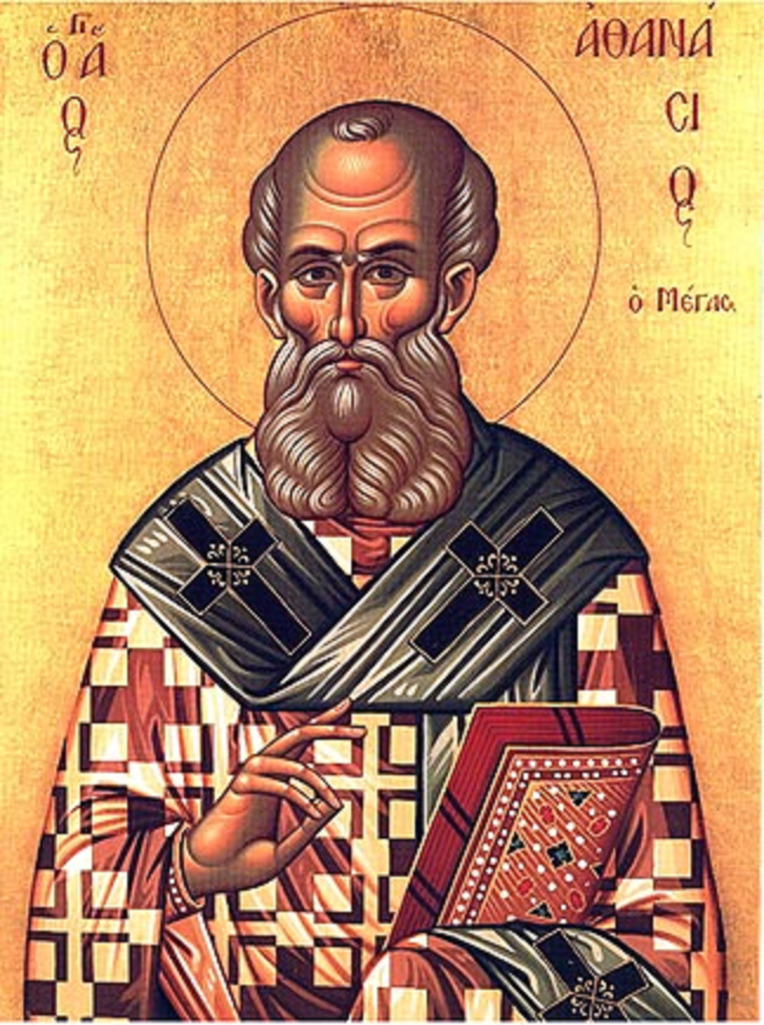
Tomus ad Antiochenos is a letter or mediation proposal written by Bishop Athanasius of Alexandria on behalf of a regional synod he convened in Alexandria in 362, addressed to a group of bishops seeking a solution to the schism between "Eustathians" and "Meletians" in the parishes of Antioch. This letter played a key role in the Trinitarian theological debates between the one-hypostasis model and the three-hypostasis model of the Trinity, anticipating the turning point in this question from the 370s onward.
The central concern is to achieve theological agreement based on the Nicene Creed. By recognizing that certain theological points of contention in the Arian controversy were based not only on differences of belief, but also on different language rules or conceptual differences between Latin and Greek, the Tomus paved the way for the Trinitarian theological language rules of the three Cappadocians from the 370s onward: Basil of Caesarea, his brother Gregory of Nyssa, and their mutual friend Gregory of Nazianzus subsequently established the concept of the one being (Ousia) and the three hypostases of God, which became binding with the decision of the First Council of Constantinople in 381.
The background of the Tomus ad Antiochenos is the controversy about the Trinity, traditionally known as the "Arian" controversy, and in today's dogmatic historiography also as the "Trinitarian" or "subordinating dispute" The opponents agreed that the Logos was incarnate in Jesus Christ. However, the question of how to understand the relationship of this Logos to God, the relationship of the Son to the Father, was particularly controversial. The Council of Nicaea in 325 had condemned the Arian doctrine that the Son or Logos was not truly God, but a creature (albeit the first and highest creature) of God and had a beginning. But two points in particular sparked decades of controversy almost immediately after the council:
Although Emperor Constantine had convened the Council of Nicaea and supported the Nicene Creed, especially the Homoousios formula, after 325 he advocated the reintegration of the Arians condemned at Nicaea in the interest of imperial peace. Uncompromising and energetic "anti-Arians" such as Athanasius and Marcellus of Ancyra stood in the way of his integration efforts.
Among Constantine's successors, it was above all Constantius II, the first emperor in the East and from 353 sole ruler of the entire empire, who sought new compromise formulas, distancing himself from the Nicene Confession, which led, among other things, to the banishment of the uncompromising Athanasius and the implementation of the so-called Homoousian imperial dogma in the early 360s. This confessional formula, which came about under imperial pressure and was little changed from the formulae of Nike and the fourth Sirmian formulae, also forbade the term "essence" (usia) and its use in connection with God the Father and his Son, as well as the term "hypostasis" and its Trinitarian theological use in connection with God the Father, his Son, and the Holy Spirit.
With the death of Constantius II in 361 and the rise to power of his cousin and rival Julian, church policy changed fundamentally: Julian sought to secure the unity of the empire by reintroducing the pagan state cult and left the church to its own devices, for unlike his predecessors, he had no interest in church unity. The Edict of Restitution of February 9, 362 lifted the banishments, including that of Athanasius, allowing him to return to Alexandria as bishop on February 21, 362.
Athanasius convened a synod in Alexandria in the spring or summer of 362 to discuss various issues. One of the issues discussed there was the Nicene Confession as the sole theological basis. Another was the mediation of the great ecclesiastical conflict at Antioch, specifically two of the three factions that had formed. On the one hand, there was a small community of followers of Bishop Eustathius of Antioch, who had been deposed in 327, around the deacon Paulinus, who, like Athanasius, taught the one essence and one hypostasis of God in the ancient Nicene Creed, and with whom Athanasius felt particularly connected. On the other hand, there was a larger community around Bishop Meletius, who held a Homoean creed and thus the Eastern Origenist doctrine of the three hypostases. An understanding with the third group around Bishop Euzoius, a close friend of Arius and representative of the Homoean imperial dogma, was out of the question from the beginning.
The Tomus ad Antiochenos itself was written after the synod. The Epistula catholica, written by Athanasius as the main author and at least one co-author, can be considered a circular letter of the synod.
Hub AI
Tomus ad Antiochenos AI simulator
(@Tomus ad Antiochenos_simulator)
Tomus ad Antiochenos
Tomus ad Antiochenos is a letter or mediation proposal written by Bishop Athanasius of Alexandria on behalf of a regional synod he convened in Alexandria in 362, addressed to a group of bishops seeking a solution to the schism between "Eustathians" and "Meletians" in the parishes of Antioch. This letter played a key role in the Trinitarian theological debates between the one-hypostasis model and the three-hypostasis model of the Trinity, anticipating the turning point in this question from the 370s onward.
The central concern is to achieve theological agreement based on the Nicene Creed. By recognizing that certain theological points of contention in the Arian controversy were based not only on differences of belief, but also on different language rules or conceptual differences between Latin and Greek, the Tomus paved the way for the Trinitarian theological language rules of the three Cappadocians from the 370s onward: Basil of Caesarea, his brother Gregory of Nyssa, and their mutual friend Gregory of Nazianzus subsequently established the concept of the one being (Ousia) and the three hypostases of God, which became binding with the decision of the First Council of Constantinople in 381.
The background of the Tomus ad Antiochenos is the controversy about the Trinity, traditionally known as the "Arian" controversy, and in today's dogmatic historiography also as the "Trinitarian" or "subordinating dispute" The opponents agreed that the Logos was incarnate in Jesus Christ. However, the question of how to understand the relationship of this Logos to God, the relationship of the Son to the Father, was particularly controversial. The Council of Nicaea in 325 had condemned the Arian doctrine that the Son or Logos was not truly God, but a creature (albeit the first and highest creature) of God and had a beginning. But two points in particular sparked decades of controversy almost immediately after the council:
Although Emperor Constantine had convened the Council of Nicaea and supported the Nicene Creed, especially the Homoousios formula, after 325 he advocated the reintegration of the Arians condemned at Nicaea in the interest of imperial peace. Uncompromising and energetic "anti-Arians" such as Athanasius and Marcellus of Ancyra stood in the way of his integration efforts.
Among Constantine's successors, it was above all Constantius II, the first emperor in the East and from 353 sole ruler of the entire empire, who sought new compromise formulas, distancing himself from the Nicene Confession, which led, among other things, to the banishment of the uncompromising Athanasius and the implementation of the so-called Homoousian imperial dogma in the early 360s. This confessional formula, which came about under imperial pressure and was little changed from the formulae of Nike and the fourth Sirmian formulae, also forbade the term "essence" (usia) and its use in connection with God the Father and his Son, as well as the term "hypostasis" and its Trinitarian theological use in connection with God the Father, his Son, and the Holy Spirit.
With the death of Constantius II in 361 and the rise to power of his cousin and rival Julian, church policy changed fundamentally: Julian sought to secure the unity of the empire by reintroducing the pagan state cult and left the church to its own devices, for unlike his predecessors, he had no interest in church unity. The Edict of Restitution of February 9, 362 lifted the banishments, including that of Athanasius, allowing him to return to Alexandria as bishop on February 21, 362.
Athanasius convened a synod in Alexandria in the spring or summer of 362 to discuss various issues. One of the issues discussed there was the Nicene Confession as the sole theological basis. Another was the mediation of the great ecclesiastical conflict at Antioch, specifically two of the three factions that had formed. On the one hand, there was a small community of followers of Bishop Eustathius of Antioch, who had been deposed in 327, around the deacon Paulinus, who, like Athanasius, taught the one essence and one hypostasis of God in the ancient Nicene Creed, and with whom Athanasius felt particularly connected. On the other hand, there was a larger community around Bishop Meletius, who held a Homoean creed and thus the Eastern Origenist doctrine of the three hypostases. An understanding with the third group around Bishop Euzoius, a close friend of Arius and representative of the Homoean imperial dogma, was out of the question from the beginning.
The Tomus ad Antiochenos itself was written after the synod. The Epistula catholica, written by Athanasius as the main author and at least one co-author, can be considered a circular letter of the synod.