
Recent from talks
Troxipide
Knowledge base stats:
Talk channels stats:
Members stats:
Troxipide
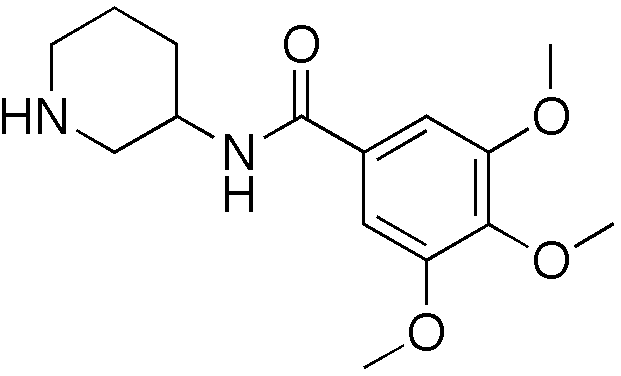
Troxipide is a drug used in the treatment of gastroesophageal reflux disease. Troxipide is a systemic non-antisecretory gastric cytoprotective agent with anti-ulcer, anti-inflammatory and mucus secreting properties irrespective of pH of stomach or duodenum. Troxipide is currently marketed in Japan (Aplace), China (Shuqi), South Korea (Defensa), and India (Troxip). It is used for the management of gastric ulcers, and amelioration of gastric mucosal lesions in acute gastritis and acute exacerbation of chronic gastritis.
The gastric pH and content independent properties of troxipide include the following:
Gastric mucosa typically is composed of salts and other dialyzable components, free proteins, carbohydrate rich glycoprotein and water. Troxipide fortifies this gastric mucosal barrier by increasing the content of glucosamine, mucopolysaccharides and collagen. Glucosamine is an amino-sugar that is known to stimulate glycoprotein synthesis and protective mechanisms of the gastric mucosa, thereby aiding in ulcer healing. Mucopolysaccharides impart structural integrity to the gastric mucosa and collagen imparts properties like ionic capability to attract blood components essential to tissue regeneration, mechanical protection, high tensile strength and slow digestibility to the gastric mucosa.
Almost all of the gastric mucosal defense mechanisms are stimulated and/or facilitated by prostaglandins (PGs), especially PGE2. These cytoprotective PGs stimulate mucus, bicarbonate, and phospholipid secretion; increase mucosal blood flow; and accelerate epithelial restitution and mucosal healing. They also inhibit mast cell activation, and leukocyte and platelet adherence to the vascular endothelium. Thus, continuous generation of PGE2 by gastric mucosa is crucial for the maintenance of mucosal integrity and protection against ulcerogenic and necrotizing agents. Troxipide is known to stimulate the release of PGE2 and PGD2 in experimental as well as clinical studies. Troxipide has been observed to enhance PG-stimulated increase in gastric mucosal output, accelerated epithelial restitution and mucosal healing.
Gastric inflammation is a highly complex biochemical protective response to cellular injury. In the multitude of mechanisms involved in the development of gastric mucosal inflammation, derangement of the microcirculatory system is a common initial pathway.
Troxipide inhibits various proinflammatory mediators present at different stages of the microcirculatory system, thereby restoring the normal gastric mucosa. Troxipide caused the inhibition of recombinant interleukin-8 (IL-8) induced migration of the inflammatory cells. Two other pro-inflammatory mediators causing oxidative stress that are inhibited by Troxipide include the formyl-methionyl-leucyl-phenylalanine (fMLP) and the Platelet Activating Factor (PAF).
In addition to inhibition of pro-inflammatory mediators, troxipide directly acts on the enzymes such as xanthine oxidase and myeloperoxidase that generate free oxygen radicals in gastric mucosa. Experimental studies have demonstrated that troxipide restrains NSAID-induced generation of porphyrins, tissue peroxidation and gastric lesion formation.
Gastric parietal cells are rich in mitochondria which provide energy in the form of ATP for cells by oxidative phosphorylation, critical to maintain the proper morphology and function of gastric mucosa. The mitochondrion is the major target of intracellular oxidative stress associated with aggressive factors like H. pylori, alcohol and NSAIDs, which disturb the energy metabolism of mitochondria. Troxipide accelerates oxygen intake of marginal gastric mucosa and glycogen consumptive stimulation of the gastric mucosa of the corpus, thereby elevating the tissue respiration and energy metabolism.
Hub AI
Troxipide AI simulator
(@Troxipide_simulator)
Troxipide
Troxipide is a drug used in the treatment of gastroesophageal reflux disease. Troxipide is a systemic non-antisecretory gastric cytoprotective agent with anti-ulcer, anti-inflammatory and mucus secreting properties irrespective of pH of stomach or duodenum. Troxipide is currently marketed in Japan (Aplace), China (Shuqi), South Korea (Defensa), and India (Troxip). It is used for the management of gastric ulcers, and amelioration of gastric mucosal lesions in acute gastritis and acute exacerbation of chronic gastritis.
The gastric pH and content independent properties of troxipide include the following:
Gastric mucosa typically is composed of salts and other dialyzable components, free proteins, carbohydrate rich glycoprotein and water. Troxipide fortifies this gastric mucosal barrier by increasing the content of glucosamine, mucopolysaccharides and collagen. Glucosamine is an amino-sugar that is known to stimulate glycoprotein synthesis and protective mechanisms of the gastric mucosa, thereby aiding in ulcer healing. Mucopolysaccharides impart structural integrity to the gastric mucosa and collagen imparts properties like ionic capability to attract blood components essential to tissue regeneration, mechanical protection, high tensile strength and slow digestibility to the gastric mucosa.
Almost all of the gastric mucosal defense mechanisms are stimulated and/or facilitated by prostaglandins (PGs), especially PGE2. These cytoprotective PGs stimulate mucus, bicarbonate, and phospholipid secretion; increase mucosal blood flow; and accelerate epithelial restitution and mucosal healing. They also inhibit mast cell activation, and leukocyte and platelet adherence to the vascular endothelium. Thus, continuous generation of PGE2 by gastric mucosa is crucial for the maintenance of mucosal integrity and protection against ulcerogenic and necrotizing agents. Troxipide is known to stimulate the release of PGE2 and PGD2 in experimental as well as clinical studies. Troxipide has been observed to enhance PG-stimulated increase in gastric mucosal output, accelerated epithelial restitution and mucosal healing.
Gastric inflammation is a highly complex biochemical protective response to cellular injury. In the multitude of mechanisms involved in the development of gastric mucosal inflammation, derangement of the microcirculatory system is a common initial pathway.
Troxipide inhibits various proinflammatory mediators present at different stages of the microcirculatory system, thereby restoring the normal gastric mucosa. Troxipide caused the inhibition of recombinant interleukin-8 (IL-8) induced migration of the inflammatory cells. Two other pro-inflammatory mediators causing oxidative stress that are inhibited by Troxipide include the formyl-methionyl-leucyl-phenylalanine (fMLP) and the Platelet Activating Factor (PAF).
In addition to inhibition of pro-inflammatory mediators, troxipide directly acts on the enzymes such as xanthine oxidase and myeloperoxidase that generate free oxygen radicals in gastric mucosa. Experimental studies have demonstrated that troxipide restrains NSAID-induced generation of porphyrins, tissue peroxidation and gastric lesion formation.
Gastric parietal cells are rich in mitochondria which provide energy in the form of ATP for cells by oxidative phosphorylation, critical to maintain the proper morphology and function of gastric mucosa. The mitochondrion is the major target of intracellular oxidative stress associated with aggressive factors like H. pylori, alcohol and NSAIDs, which disturb the energy metabolism of mitochondria. Troxipide accelerates oxygen intake of marginal gastric mucosa and glycogen consumptive stimulation of the gastric mucosa of the corpus, thereby elevating the tissue respiration and energy metabolism.
Recent media