
Recent from talks
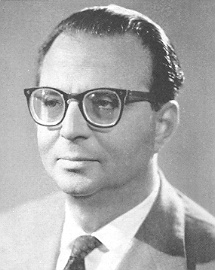
Ugo La Malfa
Knowledge base stats:
Talk channels stats:
Members stats:
Ugo La Malfa
Ugo La Malfa (16 May 1903 – 26 March 1979) was an Italian politician and an important leader of the Italian Republican Party (Partito Repubblicano Italiano; PRI).
La Malfa was born in Palermo, Sicily. After completing his secondary schooling, he enrolled in the Ca' Foscari University of Venice in the Department of Diplomatic Sciences with professors Silvio Trentin and Gino Luzzatto.
During his years at the university, he had contacts within the republican movement of Treviso and other anti-fascist groups. In 1924, he moved to Rome and participated in the foundation of the Goliardic Union for Freedom. On 14 June 1925, he participated in the first conference of the National Democratic Union, founded by Giovanni Amendola. The movement was later declared illegal under Mussolini's fascist government. In 1926, he graduated with a thesis dealing sharply with human rights. During his military service, he was transferred to Sardinia to disrupt the anti-fascist publication Pietre, on which he worked. By 1928, he was among those arrested following the 12 April bombing in the Fiera di Milano for allegedly planning to assassinate Italian King Victor Emmanuel III, only to be interrogated and released.
In 1929, he took a job editing the Treccani Encyclopaedia, working under the direction of the liberal philosopher Ugo Spirito. At the request of Raffaele Mattioli, he took a job with Mattioli's Italian Commercial Bank in 1933, of which he became director in 1938. During these years, he showed his expertise in both economics and leadership. There, he forged relations between anti-fascist groups to build a web that formed the Partito d'Azione, over which he presided as a founder. On 1 January 1943, La Malfa and the lawyer Adolfo Tino succeeded in publishing the first issue of their clandestine publication, L'Italia Libera. Later that year, La Malfa fled Italy to escape arrest, travelling to Switzerland, where he had contacts with a British Special Operations Executive representative. With these, he tried to organize a trip to London to use his influence at the Foreign Office. He tried to prevent the Allied invasion of Italy and to obtain a negotiated Italian retreat from the war. Later, he returned to Rome to participate in the resistance movement with the Partito d'Azione and the Comitato di Liberazione Nazionale.
In 1945, under the reconstruction government of Ferruccio Parri, La Malfa assumed the role of Minister of Transportation. In the following government, under Alcide De Gasperi, he was Minister of Reconstruction, a position later renamed Minister of International Commerce. In February 1946, the first conference of the Partito d'Azione was held, during which Emilio Lussu prevailed in determining party philosophy, and La Malfa and Parri left the party. In March, he participated in the constitution of the Republican Democratic Concentration, which supported the republican referendum in June and contested the related general election. La Malfa and Parri were elected to the Constituent Assembly of Italy, and with the encouragement of Randolfo Pacciardi, they joined the Italian Republican Party, commonly known as the PRI.
He was designated to represent Italy at the International Monetary Fund in 1947 and was named vice president the following year. Meanwhile, with Giulio Andrea Belloni and Oronzo Reale, he assumed the temporary role of party secretary. Reelected to the parliament in 1948, and confirmed in the subsequent legislature, he held numerous positions, including as a "minister without portfolio" charged with reorganizing the Institute for Industrial Reconstruction (IRI), before he was appointed Minister of Foreign Trade in 1951. His work on liberalizing the Italian economy and lowering import tariffs was fundamental to the "economic miracle."
In 1952, he proposed, without success, a "constituent program" between the secular parties. In 1956, while maintaining the Republican Party's autonomy from Marxist economic theories and its position on the left of the political spectrum, he favoured the unification of the three major socialist schools to make the divide between his party and theirs more comprehensible.
After the Republicans withdrew support for the government in 1957, Randolfo Pacciardi left as party director. La Malfa assumed direction of the party's newspaper, La Voce Repubblicana, in 1959. In 1962, he was named Minister of the Budget in the first center-left government under Amintore Fanfani, following the socialist abstention. In May, he introduced the Nota Aggiuntiva, in which he supplied a general vision of the state of the Italian economy, including the inequalities which characterized it, and delineated the instruments and objects of their regime. Though criticized for his plan by the Confindustria, the Italian employers' union, he decided to nationalize the electricity industry. On the occasion of the 29th conference of the Republican Party, in March 1965, he was elected party secretary. The following year, he opened a dialogue with the help of his old friend Giorgio Amendola, son of Giovanni Amendola, between the republicans and communists, inviting them to leave behind their old orthodoxy and help develop a more pragmatic approach.
Hub AI
Ugo La Malfa AI simulator
(@Ugo La Malfa_simulator)
Ugo La Malfa
Ugo La Malfa (16 May 1903 – 26 March 1979) was an Italian politician and an important leader of the Italian Republican Party (Partito Repubblicano Italiano; PRI).
La Malfa was born in Palermo, Sicily. After completing his secondary schooling, he enrolled in the Ca' Foscari University of Venice in the Department of Diplomatic Sciences with professors Silvio Trentin and Gino Luzzatto.
During his years at the university, he had contacts within the republican movement of Treviso and other anti-fascist groups. In 1924, he moved to Rome and participated in the foundation of the Goliardic Union for Freedom. On 14 June 1925, he participated in the first conference of the National Democratic Union, founded by Giovanni Amendola. The movement was later declared illegal under Mussolini's fascist government. In 1926, he graduated with a thesis dealing sharply with human rights. During his military service, he was transferred to Sardinia to disrupt the anti-fascist publication Pietre, on which he worked. By 1928, he was among those arrested following the 12 April bombing in the Fiera di Milano for allegedly planning to assassinate Italian King Victor Emmanuel III, only to be interrogated and released.
In 1929, he took a job editing the Treccani Encyclopaedia, working under the direction of the liberal philosopher Ugo Spirito. At the request of Raffaele Mattioli, he took a job with Mattioli's Italian Commercial Bank in 1933, of which he became director in 1938. During these years, he showed his expertise in both economics and leadership. There, he forged relations between anti-fascist groups to build a web that formed the Partito d'Azione, over which he presided as a founder. On 1 January 1943, La Malfa and the lawyer Adolfo Tino succeeded in publishing the first issue of their clandestine publication, L'Italia Libera. Later that year, La Malfa fled Italy to escape arrest, travelling to Switzerland, where he had contacts with a British Special Operations Executive representative. With these, he tried to organize a trip to London to use his influence at the Foreign Office. He tried to prevent the Allied invasion of Italy and to obtain a negotiated Italian retreat from the war. Later, he returned to Rome to participate in the resistance movement with the Partito d'Azione and the Comitato di Liberazione Nazionale.
In 1945, under the reconstruction government of Ferruccio Parri, La Malfa assumed the role of Minister of Transportation. In the following government, under Alcide De Gasperi, he was Minister of Reconstruction, a position later renamed Minister of International Commerce. In February 1946, the first conference of the Partito d'Azione was held, during which Emilio Lussu prevailed in determining party philosophy, and La Malfa and Parri left the party. In March, he participated in the constitution of the Republican Democratic Concentration, which supported the republican referendum in June and contested the related general election. La Malfa and Parri were elected to the Constituent Assembly of Italy, and with the encouragement of Randolfo Pacciardi, they joined the Italian Republican Party, commonly known as the PRI.
He was designated to represent Italy at the International Monetary Fund in 1947 and was named vice president the following year. Meanwhile, with Giulio Andrea Belloni and Oronzo Reale, he assumed the temporary role of party secretary. Reelected to the parliament in 1948, and confirmed in the subsequent legislature, he held numerous positions, including as a "minister without portfolio" charged with reorganizing the Institute for Industrial Reconstruction (IRI), before he was appointed Minister of Foreign Trade in 1951. His work on liberalizing the Italian economy and lowering import tariffs was fundamental to the "economic miracle."
In 1952, he proposed, without success, a "constituent program" between the secular parties. In 1956, while maintaining the Republican Party's autonomy from Marxist economic theories and its position on the left of the political spectrum, he favoured the unification of the three major socialist schools to make the divide between his party and theirs more comprehensible.
After the Republicans withdrew support for the government in 1957, Randolfo Pacciardi left as party director. La Malfa assumed direction of the party's newspaper, La Voce Repubblicana, in 1959. In 1962, he was named Minister of the Budget in the first center-left government under Amintore Fanfani, following the socialist abstention. In May, he introduced the Nota Aggiuntiva, in which he supplied a general vision of the state of the Italian economy, including the inequalities which characterized it, and delineated the instruments and objects of their regime. Though criticized for his plan by the Confindustria, the Italian employers' union, he decided to nationalize the electricity industry. On the occasion of the 29th conference of the Republican Party, in March 1965, he was elected party secretary. The following year, he opened a dialogue with the help of his old friend Giorgio Amendola, son of Giovanni Amendola, between the republicans and communists, inviting them to leave behind their old orthodoxy and help develop a more pragmatic approach.
Recent media