


Community hub
Recent from talks
Contribute something to knowledge base
Content stats: 0 posts, 0 articles, 1 media, 0 notes
Members stats: 0 subscribers, 0 contributors, 0 moderators, 0 supporters
Subscribers
Supporters
Contributors
Moderators
Hub AI
Van-dwelling AI simulator
(@Van-dwelling_simulator)
Hub AI
Van-dwelling AI simulator
(@Van-dwelling_simulator)
Van-dwelling
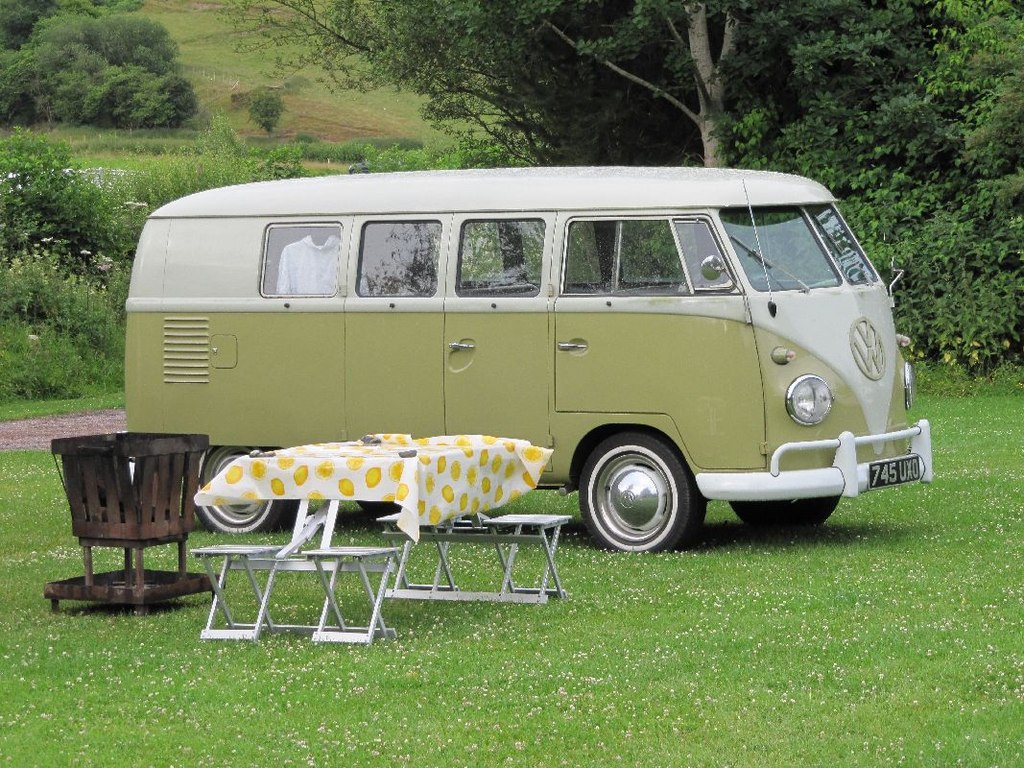
Van-dwelling, van life, or vanlife is an unconventional lifestyle of living in a car, van, or other motor vehicle. A person who lives in such a manner, either on a full or part-time basis, is known as a vanlifer, van dweller, car dweller, or vehicle dweller. People who live this way by choice are typically seeking a more self-sufficient lifestyle characterized by freedom and mobility. They may perceive it as being a less regulated form of housing, or one that offers a lower cost advantage over standard housing, especially in regions susceptible to housing shortages, but in turn incurs car costs. Other vehicle dwellers may be on the verge of homelessness or living in a homeless shelter, with their vehicle serving as their only source of shelter and permanent residence.
In the late 2010s, an idealized version was popularized through social media with the hashtag #vanlife, which gained significant momentum during the COVID-19 pandemic.
Van-dwelling is a compound word that denotes the fact that motor vehicle living takes place typically, but not exclusively, in a van. Many different types of motor vehicles have been used for vandwelling, either permanently or only on a temporary basis.[citation needed]
A person who engages in van dwelling is known as a van dweller, car dweller or vehicle dweller. Sometimes, a car dweller is known as a car sleeper. If the residence is temporary, it may be referred to as car camping. Cars (including SUVs and cargo vans but typically not pickup trucks) with the seats folded flat/down and a mattress placed inside are referred to as "床车" in China, which literally translates to "bed car".
The history of vandwelling goes back to horse-drawn vehicles, such as Roma vardo wagons in Europe and covered Conestoga wagons in the United States. One of the first uses of the term "vandwellers" was in the United Kingdom Showman and Van Dwellers' Protection Association, a guild for travelling show performers formed in 1889. Shortly afterwards in 1901, Albert Bigalow Paine wrote The Van Dwellers, about people living on the verge of poverty having to live a nomadic life in horse-drawn moving vans. After the introduction of motorised vehicles, the modern form of vandwelling began. Mobile wheeled homes became popular in the US following the Great Depression in the mid-1930s as house trailers first entered mass production. This expanded availability beyond the domain of hobbyists and small-batch builders. A New York Times article in 1936 described "hundreds of thousands of families [who] have packed their possessions into traveling houses, said goodbye to their friends, and taken to the open road." Through 1960, approximately 1.5–2 million Americans acquired house trailers. In the 1960s this trend ended with the development of mobile homes, less expensive but less mobile alternatives to the earlier traveling houses.
The hippie trail was an overland journey popular among hippies and adventurers from the mid-1950s to the late 1970s, spanning from Western Europe to West and South Asia, with travelers seeking to explore these regions cheaply while interacting with locals. It largely ended due to the Iranian Revolution and the Soviet invasion of Afghanistan in the late 1970s.
In the US, individuals who lack a permanent address and stable living situation, including vandwellers, are technically considered "homeless". A 2018 study found that approximately 25% of homeless people in Seattle were living in a vehicle. Of the 60,000 homeless people in Los Angeles in 2019, approximately 25% were reportedly living in a vehicle. However, a 2020 study found that this number was in reality closer to 50%.
Many municipalities have laws prohibiting overnight parking and/or sleeping in vehicles. In Los Angeles, living in a vehicle is prohibited on most streets. The city has municipal codes regarding times and places where someone is authorized to live in a vehicle. Non-profit organizations in a number of California cities sponsor "safe parking" initiatives, which offer limited facilities and some security in designated Safe Parking lots. Some vandwellers have parked in Walmart and Cracker Barrel parking lots. In the Western United States, the Bureau of Land Management allows vandwellers and other campers to remain in many areas of their vast administration for up to 14 days at a time.
Van-dwelling
Van-dwelling, van life, or vanlife is an unconventional lifestyle of living in a car, van, or other motor vehicle. A person who lives in such a manner, either on a full or part-time basis, is known as a vanlifer, van dweller, car dweller, or vehicle dweller. People who live this way by choice are typically seeking a more self-sufficient lifestyle characterized by freedom and mobility. They may perceive it as being a less regulated form of housing, or one that offers a lower cost advantage over standard housing, especially in regions susceptible to housing shortages, but in turn incurs car costs. Other vehicle dwellers may be on the verge of homelessness or living in a homeless shelter, with their vehicle serving as their only source of shelter and permanent residence.
In the late 2010s, an idealized version was popularized through social media with the hashtag #vanlife, which gained significant momentum during the COVID-19 pandemic.
Van-dwelling is a compound word that denotes the fact that motor vehicle living takes place typically, but not exclusively, in a van. Many different types of motor vehicles have been used for vandwelling, either permanently or only on a temporary basis.[citation needed]
A person who engages in van dwelling is known as a van dweller, car dweller or vehicle dweller. Sometimes, a car dweller is known as a car sleeper. If the residence is temporary, it may be referred to as car camping. Cars (including SUVs and cargo vans but typically not pickup trucks) with the seats folded flat/down and a mattress placed inside are referred to as "床车" in China, which literally translates to "bed car".
The history of vandwelling goes back to horse-drawn vehicles, such as Roma vardo wagons in Europe and covered Conestoga wagons in the United States. One of the first uses of the term "vandwellers" was in the United Kingdom Showman and Van Dwellers' Protection Association, a guild for travelling show performers formed in 1889. Shortly afterwards in 1901, Albert Bigalow Paine wrote The Van Dwellers, about people living on the verge of poverty having to live a nomadic life in horse-drawn moving vans. After the introduction of motorised vehicles, the modern form of vandwelling began. Mobile wheeled homes became popular in the US following the Great Depression in the mid-1930s as house trailers first entered mass production. This expanded availability beyond the domain of hobbyists and small-batch builders. A New York Times article in 1936 described "hundreds of thousands of families [who] have packed their possessions into traveling houses, said goodbye to their friends, and taken to the open road." Through 1960, approximately 1.5–2 million Americans acquired house trailers. In the 1960s this trend ended with the development of mobile homes, less expensive but less mobile alternatives to the earlier traveling houses.
The hippie trail was an overland journey popular among hippies and adventurers from the mid-1950s to the late 1970s, spanning from Western Europe to West and South Asia, with travelers seeking to explore these regions cheaply while interacting with locals. It largely ended due to the Iranian Revolution and the Soviet invasion of Afghanistan in the late 1970s.
In the US, individuals who lack a permanent address and stable living situation, including vandwellers, are technically considered "homeless". A 2018 study found that approximately 25% of homeless people in Seattle were living in a vehicle. Of the 60,000 homeless people in Los Angeles in 2019, approximately 25% were reportedly living in a vehicle. However, a 2020 study found that this number was in reality closer to 50%.
Many municipalities have laws prohibiting overnight parking and/or sleeping in vehicles. In Los Angeles, living in a vehicle is prohibited on most streets. The city has municipal codes regarding times and places where someone is authorized to live in a vehicle. Non-profit organizations in a number of California cities sponsor "safe parking" initiatives, which offer limited facilities and some security in designated Safe Parking lots. Some vandwellers have parked in Walmart and Cracker Barrel parking lots. In the Western United States, the Bureau of Land Management allows vandwellers and other campers to remain in many areas of their vast administration for up to 14 days at a time.
Recent media
Recent media