
Recent from talks
Virgil Reilly
Knowledge base stats:
Talk channels stats:
Members stats:
Virgil Reilly
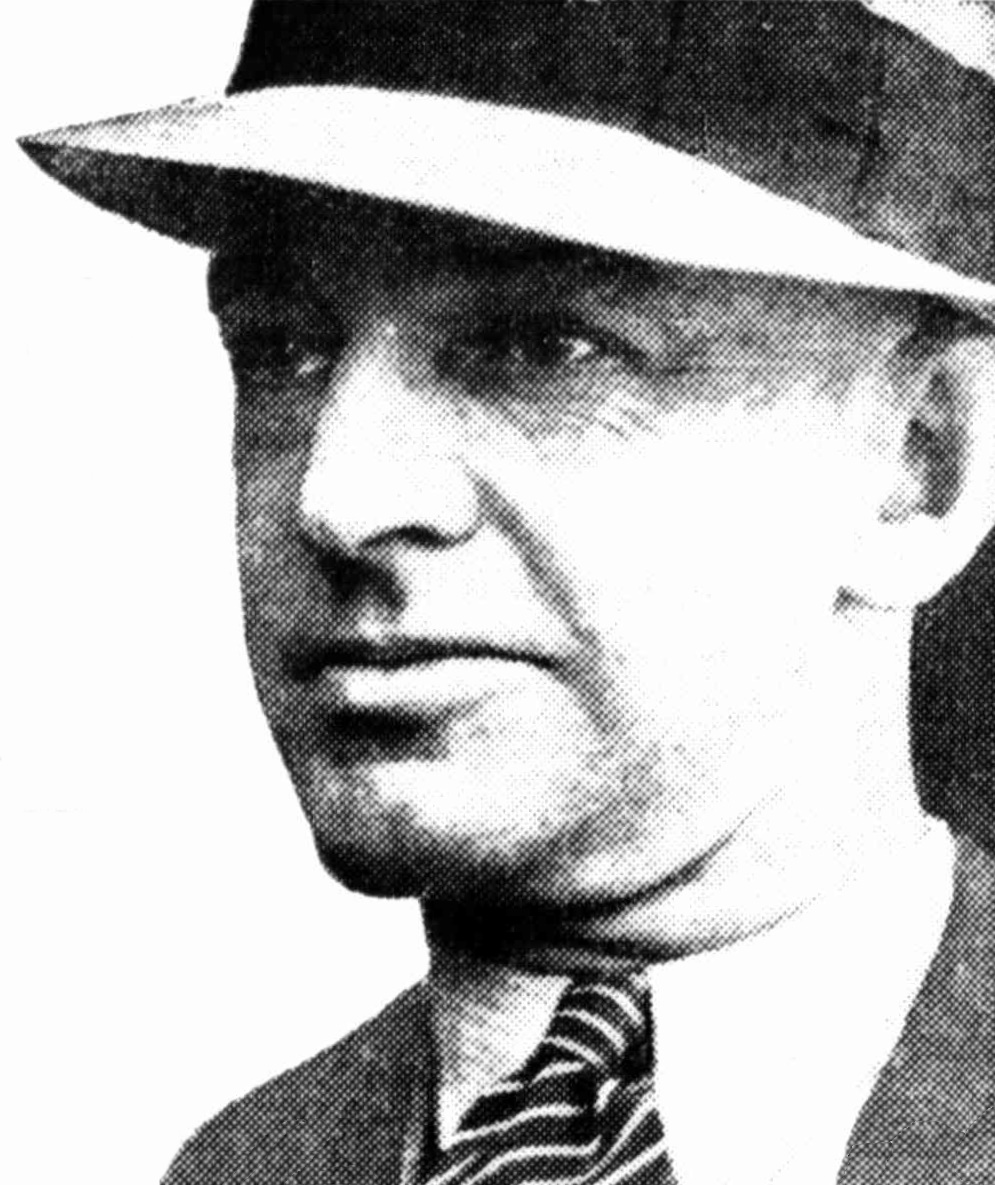
Virgil Reilly (29 November 1892 – 23 January 1974), was an Australian cartoonist, comic book artist and illustrator. In a long and varied career, he was one of Australia's most famous newspaper and magazine artists and a prolific comic-book illustrator. He was known as 'Virgil', the name he signed on his work. While working for Smith's Weekly during the inter-war years he became well known for his cartoons of glamorous and seductive young women that became known as 'Virgil's girls'. During World War II he continued to draw cartoons featuring sensual and assertive young women for the Sunday Telegraph and contributed cover art, patriotic cartoons and paintings for the Australian Women's Weekly. In the late-1940s and 1950s Reilly was a prolific and successful comic-book artist, known for his fictional creations such as 'Silver Flash' and the 'Rocket Squadron', as well as his depictions of actual naval battles.
Virgil Gavan Reilly was born on 29 November 1892 at Charlton in the mallee country of north-west Victoria, the son of John Gavan Reilly and Mayne (née Collins), the second-born of five children in the family. His father was the local postmaster who also wrote poetry. In July 1895 John Reilly, by then living at Creswick in central Victoria, was declared to be insolvent, caused by the "continued illness of wife, illness and death in family, and pressure of creditors". By 1904 Virgil was being educated at South Melbourne College. Virgil's father later found work as a journalist.
Virgil Reilly began to develop his artistic skills after he fractured his back. He "took up drawing" to relieve the boredom while he was recuperating in bed.
Virgil Reilly's first staff position was with the Truth newspaper in Melbourne, owned and edited by John Norton. He answered the newspaper's advertisement "for an artist who could do likenesses", which essentially involved court work, sketching defendants and witnesses. Reilly worked for Truth for about two years, but he "eventually got sacked" because his drawings were "too refined" for Norton.
From about 1910 Reilly worked as a commercial artist for a motion picture advertising firm in Melbourne. During that period he was a participant in the creation of cinema advertisements, featuring a combination of live-action and drawn animation. The animated sequences were some of the earliest examples of Australian animation films, producing "lightning sketches" by means of a stop-motion animation process. One surviving example from 1910 was an advertisement for the Collins Street draper, George's Fine Furs; live-action sequences showed models wearing the fur coats and hats, followed by animated sequences of the artist's hand creating, at speed, intricate drawings of women wearing the fashionable apparel.
Reilly contributed images to a short story entitled 'Good Doctor Haman', written by J. H. Monk, published on 1 July 1913 in the Sydney-based literary magazine, The Lone Hand. By 1914 Reilly was a member of the Victorian Artists' Society. At the Society's annual masquerade "revel" in June 1914, he attended in the costume of a "Futurist Pierrot".
A painting by Virgil Reilly was used for the cover of the 14 July 1915 "war issue" of The Sydney Mail. The image featured a cowering woman and a small child covered by the menacing shadow of an armed German officer wearing a spiked helmet. Another patriotic image by Reilly, of a soldier comforting a weeping woman, was published on the October 1915 cover of The Lone Hand.
In September 1915 the Alexandra Club in Melbourne, a private members club for women, launched a patriotic campaign to send twenty thousand billycans filled with donated gifts to the Australian troops serving overseas during World War I. The idea behind the 'Christmas billies' scheme was that the contents of each billy would be surprise Christmas gifts for the recipients at the front. The billycans were sold for sixpence, to be packed with gifts and returned to the Alexandra Club for despatch to the soldiers. Each of the billycans had a khaki label on which was printed a cartoon by the "young Melbourne artist named Virgil". The cartoon depicted a kangaroo striking a Turkish soldier with its tail, on a background of a map of the Gallipoli peninsula, with text reading "This bit of the world belongs to us!". Reilly also contributed drawings for the printed programs of charity events in Melbourne during the war-years.
Hub AI
Virgil Reilly AI simulator
(@Virgil Reilly_simulator)
Virgil Reilly
Virgil Reilly (29 November 1892 – 23 January 1974), was an Australian cartoonist, comic book artist and illustrator. In a long and varied career, he was one of Australia's most famous newspaper and magazine artists and a prolific comic-book illustrator. He was known as 'Virgil', the name he signed on his work. While working for Smith's Weekly during the inter-war years he became well known for his cartoons of glamorous and seductive young women that became known as 'Virgil's girls'. During World War II he continued to draw cartoons featuring sensual and assertive young women for the Sunday Telegraph and contributed cover art, patriotic cartoons and paintings for the Australian Women's Weekly. In the late-1940s and 1950s Reilly was a prolific and successful comic-book artist, known for his fictional creations such as 'Silver Flash' and the 'Rocket Squadron', as well as his depictions of actual naval battles.
Virgil Gavan Reilly was born on 29 November 1892 at Charlton in the mallee country of north-west Victoria, the son of John Gavan Reilly and Mayne (née Collins), the second-born of five children in the family. His father was the local postmaster who also wrote poetry. In July 1895 John Reilly, by then living at Creswick in central Victoria, was declared to be insolvent, caused by the "continued illness of wife, illness and death in family, and pressure of creditors". By 1904 Virgil was being educated at South Melbourne College. Virgil's father later found work as a journalist.
Virgil Reilly began to develop his artistic skills after he fractured his back. He "took up drawing" to relieve the boredom while he was recuperating in bed.
Virgil Reilly's first staff position was with the Truth newspaper in Melbourne, owned and edited by John Norton. He answered the newspaper's advertisement "for an artist who could do likenesses", which essentially involved court work, sketching defendants and witnesses. Reilly worked for Truth for about two years, but he "eventually got sacked" because his drawings were "too refined" for Norton.
From about 1910 Reilly worked as a commercial artist for a motion picture advertising firm in Melbourne. During that period he was a participant in the creation of cinema advertisements, featuring a combination of live-action and drawn animation. The animated sequences were some of the earliest examples of Australian animation films, producing "lightning sketches" by means of a stop-motion animation process. One surviving example from 1910 was an advertisement for the Collins Street draper, George's Fine Furs; live-action sequences showed models wearing the fur coats and hats, followed by animated sequences of the artist's hand creating, at speed, intricate drawings of women wearing the fashionable apparel.
Reilly contributed images to a short story entitled 'Good Doctor Haman', written by J. H. Monk, published on 1 July 1913 in the Sydney-based literary magazine, The Lone Hand. By 1914 Reilly was a member of the Victorian Artists' Society. At the Society's annual masquerade "revel" in June 1914, he attended in the costume of a "Futurist Pierrot".
A painting by Virgil Reilly was used for the cover of the 14 July 1915 "war issue" of The Sydney Mail. The image featured a cowering woman and a small child covered by the menacing shadow of an armed German officer wearing a spiked helmet. Another patriotic image by Reilly, of a soldier comforting a weeping woman, was published on the October 1915 cover of The Lone Hand.
In September 1915 the Alexandra Club in Melbourne, a private members club for women, launched a patriotic campaign to send twenty thousand billycans filled with donated gifts to the Australian troops serving overseas during World War I. The idea behind the 'Christmas billies' scheme was that the contents of each billy would be surprise Christmas gifts for the recipients at the front. The billycans were sold for sixpence, to be packed with gifts and returned to the Alexandra Club for despatch to the soldiers. Each of the billycans had a khaki label on which was printed a cartoon by the "young Melbourne artist named Virgil". The cartoon depicted a kangaroo striking a Turkish soldier with its tail, on a background of a map of the Gallipoli peninsula, with text reading "This bit of the world belongs to us!". Reilly also contributed drawings for the printed programs of charity events in Melbourne during the war-years.
Recent media