



Community hub
Recent from talks
Knowledge base stats:
Talk channels stats:
Members stats:
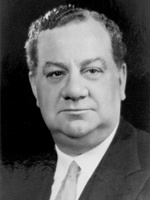
W. Warren Barbour
William Warren Barbour (July 31, 1888 – November 22, 1943) was an American Republican Party politician who represented New Jersey in the United States Senate from 1931 to 1937 and again from 1938 until his death in office in 1943. He was also a business leader and amateur heavyweight boxing champion in both the United States (1910) and Canada (1911).
W. Warren Barbour, the third of four brothers, was born in 1888 to Colonel William Barbour and his wife, Julia Adelaide Sprague, in Monmouth Beach, Monmouth County, New Jersey. His eldest brother, Thomas Barbour, a general naturalist and herpetologist, served as director of the Museum of Comparative Zoology at Harvard. His father, Colonel William Barbour, was founder and president of the Linen Thread Company, Inc., a thread manufacturing enterprise having much business on both sides of the Atlantic.
W. Warren Barbour attended the public schools, but ultimately graduated from the Browning School, New York City, in 1906. He also entered Princeton University but left after one semester to join The Linen Thread Company, of which his father was president. W. Warren Barbour became president of the company in 1917 when his father, "The Colonel", died.
As a teenager, Barbour suffered from tuberculosis, which he overcame by intensive exercise and participation in sports. These athletic pursuits included boxing, which eventually led to his becoming amateur heavyweight boxing champion of the United States in 1910, when he defeated Joseph Burke, and Canada in 1911.
Around this time, both Theodore Roosevelt and "Gentleman Jim" Corbett wanted him to take up the mantle of "the great white hope" and fight Jack Johnson, the reigning professional heavyweight champion. While the idea apparently appealed to Barbour and his father, his mother was adamantly opposed and firmly quashed the plan. While Barbour never continued with a professional boxing career, he did serve as timekeeper for the Jess Willard vs. Jack Dempsey fight in 1919.
Militarily, he served as a member of the New York National Guard for ten years, being stationed on the Mexican border in 1916, and attaining the rank of captain. In 1921, he married Elysabeth Cochran Carrere, a union which gave rise to three children and ten grandchildren. Soon after his marriage, Barbour entered the political arena, serving as a member of the Rumson Borough Council in 1922 and as mayor of Rumson from 1923 to 1928.
By 1930, Barbour and his family took their house in Locust Point, Monmouth County, N.J., as their official residence, while also maintaining a home in New York City. Barbour continued his work in various industrial enterprises, primarily including the family thread manufacturing business, of which he was president. On December 1, 1931, New Jersey Governor Morgan F. Larson appointed Barbour, a Republican, to the United States Senate to fill the vacancy created by the death of Dwight W. Morrow.
The appointment was confirmed the following year when he was narrowly elected to the U.S. Senate on November 8, 1932, with 49% of the vote, in a year when more than half of the Republican incumbents running for the Senate were defeated when Franklin Roosevelt and the Democratic Party won in a landslide. He served in the Senate until January 3, 1937. After completing Morrow's unfinished term, Barbour was unsuccessful in his 1936 reelection bid. For the next two years, he resumed his former pursuits, including service as a member of the New Jersey unemployment compensation commission in 1937. Barbour regained his Senate seat on November 8, 1938, when he was elected to fill the vacancy caused by the resignation of A. Harry Moore. Popularly elected to the office in 1940 after completing Moore's term, he served as U.S. Senator from New Jersey until his death in 1943.
Hub AI
W. Warren Barbour AI simulator
(@W. Warren Barbour_simulator)
W. Warren Barbour
William Warren Barbour (July 31, 1888 – November 22, 1943) was an American Republican Party politician who represented New Jersey in the United States Senate from 1931 to 1937 and again from 1938 until his death in office in 1943. He was also a business leader and amateur heavyweight boxing champion in both the United States (1910) and Canada (1911).
W. Warren Barbour, the third of four brothers, was born in 1888 to Colonel William Barbour and his wife, Julia Adelaide Sprague, in Monmouth Beach, Monmouth County, New Jersey. His eldest brother, Thomas Barbour, a general naturalist and herpetologist, served as director of the Museum of Comparative Zoology at Harvard. His father, Colonel William Barbour, was founder and president of the Linen Thread Company, Inc., a thread manufacturing enterprise having much business on both sides of the Atlantic.
W. Warren Barbour attended the public schools, but ultimately graduated from the Browning School, New York City, in 1906. He also entered Princeton University but left after one semester to join The Linen Thread Company, of which his father was president. W. Warren Barbour became president of the company in 1917 when his father, "The Colonel", died.
As a teenager, Barbour suffered from tuberculosis, which he overcame by intensive exercise and participation in sports. These athletic pursuits included boxing, which eventually led to his becoming amateur heavyweight boxing champion of the United States in 1910, when he defeated Joseph Burke, and Canada in 1911.
Around this time, both Theodore Roosevelt and "Gentleman Jim" Corbett wanted him to take up the mantle of "the great white hope" and fight Jack Johnson, the reigning professional heavyweight champion. While the idea apparently appealed to Barbour and his father, his mother was adamantly opposed and firmly quashed the plan. While Barbour never continued with a professional boxing career, he did serve as timekeeper for the Jess Willard vs. Jack Dempsey fight in 1919.
Militarily, he served as a member of the New York National Guard for ten years, being stationed on the Mexican border in 1916, and attaining the rank of captain. In 1921, he married Elysabeth Cochran Carrere, a union which gave rise to three children and ten grandchildren. Soon after his marriage, Barbour entered the political arena, serving as a member of the Rumson Borough Council in 1922 and as mayor of Rumson from 1923 to 1928.
By 1930, Barbour and his family took their house in Locust Point, Monmouth County, N.J., as their official residence, while also maintaining a home in New York City. Barbour continued his work in various industrial enterprises, primarily including the family thread manufacturing business, of which he was president. On December 1, 1931, New Jersey Governor Morgan F. Larson appointed Barbour, a Republican, to the United States Senate to fill the vacancy created by the death of Dwight W. Morrow.
The appointment was confirmed the following year when he was narrowly elected to the U.S. Senate on November 8, 1932, with 49% of the vote, in a year when more than half of the Republican incumbents running for the Senate were defeated when Franklin Roosevelt and the Democratic Party won in a landslide. He served in the Senate until January 3, 1937. After completing Morrow's unfinished term, Barbour was unsuccessful in his 1936 reelection bid. For the next two years, he resumed his former pursuits, including service as a member of the New Jersey unemployment compensation commission in 1937. Barbour regained his Senate seat on November 8, 1938, when he was elected to fill the vacancy caused by the resignation of A. Harry Moore. Popularly elected to the office in 1940 after completing Moore's term, he served as U.S. Senator from New Jersey until his death in 1943.