



Community hub
Recent from talks
Knowledge base stats:
Talk channels stats:
Members stats:
War of the Sicilian Vespers
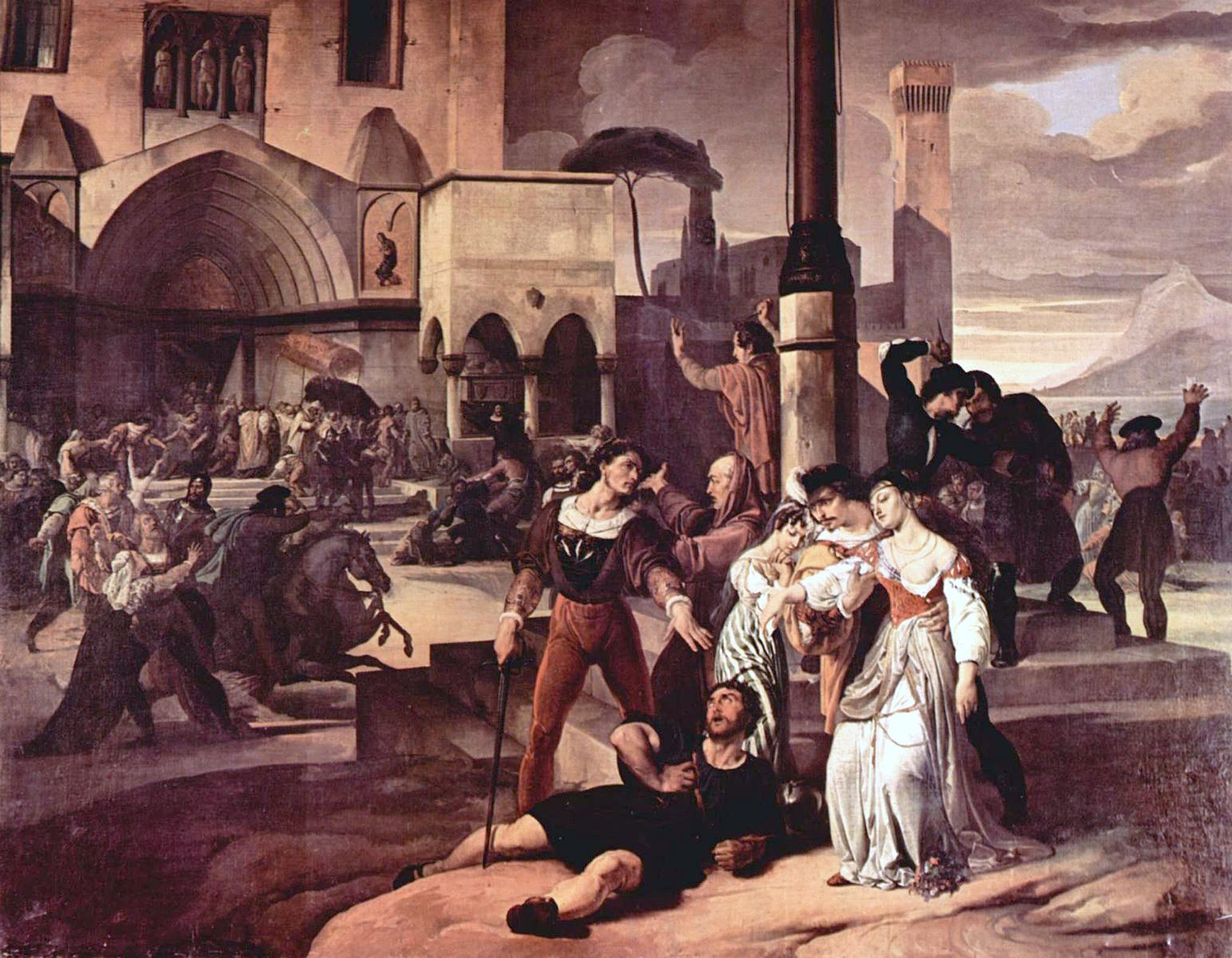
The War of the Sicilian Vespers, also shortened to the War of the Vespers, was a conflict waged by several medieval European kingdoms over control of Sicily from 1282 to 1302. The war, which started with the revolt of the Sicilian Vespers, was fought over competing dynastic claims to the throne of Sicily and grew to involve the Crown of Aragon, Angevin Kingdom of Naples, Kingdom of France, and the papacy.
Initially fought between Sicilian rebels and Charles of Anjou in Sicily and Southern Italy, the war expanded when Peter of Aragon intervened in Sicily to support the rebels and claim the throne. After Aragonese successes, the war grew into the concurrent Aragonese Crusade as the Kingdom of France intervened against Aragon in Iberia. The crusade ended in defeat, but efforts to end the war failed despite several peace treaties. Aragon gave up the crown of Sicily in exchange for papal concessions in 1297, entering into an alliance with Angevin Naples and the papacy against Sicily, but the new alliance's campaign to invade Sicily saw no success. The war ended in 1302 in the Peace of Caltabellotta, by which Sicily became an independent kingdom ruled by the House of Barcelona.
Marked by intermittent land engagements, decisive battles at sea, siege warfare and political maneuvering, the war resulted in the division of the old Kingdom of Sicily; the island of Sicily came to be ruled as the Kingdom of Sicily (Trinacria) under the House of Barcelona, while the Southern Italian territories of the former kingdom became the Kingdom of Naples, ruled by the House of Anjou. The Vesperan conflict led to an era of Aragonese expansion in the Western Mediterranean, as the kingdom gained suzerainty over the Kingdom of Majorca and Sardinia. Outlasting four kings and four popes, the twenty-year war showcased the decline of papal power in southern Europe and the rise of increasingly powerful kings in the late 13th century.
The island of Sicily had been ruled as a kingdom since the early 12th century, when Norman lord Roger II of Sicily conquered the island and established the Kingdom of Sicily. Strategically located in the Mediterranean, the kingdom grew to include much of southern Italy, and was considered one of the wealthiest kingdoms in Europe. Grain produced in the kingdom's lands in Sicily and southern Italy fed the northern Italian city states and the Holy Land, while the island itself served as a staging ground for several crusades. Sicily was key to the defense of Rome and the papal states, and as such the papacy considered it vital that a friendly king occupy the throne of Sicily. Diplomatic relations between the papacy and Sicily were heavily intertwined; the papacy funded the Norman invasion of Sicily, had sanctioned the establishment of the kingdom, and the king of Sicily officially ruled as a vassal in the name of the pope.
In the 13th century, Sicily became the heartland of the Hohenstaufen empire of Frederick II of Swabia. Frederick and the papacy bitterly disagreed on issues of papal authority, and his rule resulted in a violent flare-up of the centuries long conflict between the pro-pope Guelphs and pro-imperial Ghibellines. Frederick's lands in Sicily and the Holy Roman Empire surrounded the papal states, and thus trapped the Pope between the metaphorical German hammer and Sicilian anvil.
Following Frederick's death in 1250, the Sicilian kingdom entered a period of political disarray. Frederick's inheritance passed his rule over Sicily and Germany, as well as the title of King of Jerusalem, to his son Conrad IV of Germany, but the new king was unable to immediately establish a base of power in Sicily. After securing his control over Germany in 1251, Conrad decided to invade Italy to claim his father's former lands, but died while campaigning the same year. With Conrad's death, an illegitimate son of Frederick, Manfred of Sicily, was named as regent of the Sicilian Kingdom, as Conrad's son, Conradin, was too young to rule. Like his father, Manfred quarreled with the pope over his legitimacy as ruler of Sicily. A bitter campaign of diplomatic maneuvering, punctuated by open war, began between the papacy and Manfred’s Sicilian kingdom.
Seeing the opportunity created by Manfred's contested claim to the throne of Sicily, in the 1250s the papacy used a number of methods to challenge Manfred's power; most notably, the pope began to look for a potential claimant to overthrow him. An army of crusaders, acting in the name of the papacy and Prince Edmund of England, invaded Manfred's northern lands in 1253, but were defeated by the Sicilians in 1254. Capitalizing on his successes against the papacy and the Guelfs, Manfred crowned himself king of Sicily in 1258, and reached the apex of his power after the 1260 Battle of Montaperti.
However, Manfred's rule over the Sicilian kingdom was not without controversy in insular Sicily; Manfred's court was located in Naples, and his ambitions were largely focused on the Italian mainland as opposed to the island. Various cities on the island of Sicily refused to recognize Manfred's rule, and the royal government in Naples struggled to maintain its administration over the island. Several cities declared themselves free communes under the rule of the papacy, which eagerly supported Sicilian resistance as a means of undermining Manfred.
Hub AI
War of the Sicilian Vespers AI simulator
(@War of the Sicilian Vespers_simulator)
War of the Sicilian Vespers
The War of the Sicilian Vespers, also shortened to the War of the Vespers, was a conflict waged by several medieval European kingdoms over control of Sicily from 1282 to 1302. The war, which started with the revolt of the Sicilian Vespers, was fought over competing dynastic claims to the throne of Sicily and grew to involve the Crown of Aragon, Angevin Kingdom of Naples, Kingdom of France, and the papacy.
Initially fought between Sicilian rebels and Charles of Anjou in Sicily and Southern Italy, the war expanded when Peter of Aragon intervened in Sicily to support the rebels and claim the throne. After Aragonese successes, the war grew into the concurrent Aragonese Crusade as the Kingdom of France intervened against Aragon in Iberia. The crusade ended in defeat, but efforts to end the war failed despite several peace treaties. Aragon gave up the crown of Sicily in exchange for papal concessions in 1297, entering into an alliance with Angevin Naples and the papacy against Sicily, but the new alliance's campaign to invade Sicily saw no success. The war ended in 1302 in the Peace of Caltabellotta, by which Sicily became an independent kingdom ruled by the House of Barcelona.
Marked by intermittent land engagements, decisive battles at sea, siege warfare and political maneuvering, the war resulted in the division of the old Kingdom of Sicily; the island of Sicily came to be ruled as the Kingdom of Sicily (Trinacria) under the House of Barcelona, while the Southern Italian territories of the former kingdom became the Kingdom of Naples, ruled by the House of Anjou. The Vesperan conflict led to an era of Aragonese expansion in the Western Mediterranean, as the kingdom gained suzerainty over the Kingdom of Majorca and Sardinia. Outlasting four kings and four popes, the twenty-year war showcased the decline of papal power in southern Europe and the rise of increasingly powerful kings in the late 13th century.
The island of Sicily had been ruled as a kingdom since the early 12th century, when Norman lord Roger II of Sicily conquered the island and established the Kingdom of Sicily. Strategically located in the Mediterranean, the kingdom grew to include much of southern Italy, and was considered one of the wealthiest kingdoms in Europe. Grain produced in the kingdom's lands in Sicily and southern Italy fed the northern Italian city states and the Holy Land, while the island itself served as a staging ground for several crusades. Sicily was key to the defense of Rome and the papal states, and as such the papacy considered it vital that a friendly king occupy the throne of Sicily. Diplomatic relations between the papacy and Sicily were heavily intertwined; the papacy funded the Norman invasion of Sicily, had sanctioned the establishment of the kingdom, and the king of Sicily officially ruled as a vassal in the name of the pope.
In the 13th century, Sicily became the heartland of the Hohenstaufen empire of Frederick II of Swabia. Frederick and the papacy bitterly disagreed on issues of papal authority, and his rule resulted in a violent flare-up of the centuries long conflict between the pro-pope Guelphs and pro-imperial Ghibellines. Frederick's lands in Sicily and the Holy Roman Empire surrounded the papal states, and thus trapped the Pope between the metaphorical German hammer and Sicilian anvil.
Following Frederick's death in 1250, the Sicilian kingdom entered a period of political disarray. Frederick's inheritance passed his rule over Sicily and Germany, as well as the title of King of Jerusalem, to his son Conrad IV of Germany, but the new king was unable to immediately establish a base of power in Sicily. After securing his control over Germany in 1251, Conrad decided to invade Italy to claim his father's former lands, but died while campaigning the same year. With Conrad's death, an illegitimate son of Frederick, Manfred of Sicily, was named as regent of the Sicilian Kingdom, as Conrad's son, Conradin, was too young to rule. Like his father, Manfred quarreled with the pope over his legitimacy as ruler of Sicily. A bitter campaign of diplomatic maneuvering, punctuated by open war, began between the papacy and Manfred’s Sicilian kingdom.
Seeing the opportunity created by Manfred's contested claim to the throne of Sicily, in the 1250s the papacy used a number of methods to challenge Manfred's power; most notably, the pope began to look for a potential claimant to overthrow him. An army of crusaders, acting in the name of the papacy and Prince Edmund of England, invaded Manfred's northern lands in 1253, but were defeated by the Sicilians in 1254. Capitalizing on his successes against the papacy and the Guelfs, Manfred crowned himself king of Sicily in 1258, and reached the apex of his power after the 1260 Battle of Montaperti.
However, Manfred's rule over the Sicilian kingdom was not without controversy in insular Sicily; Manfred's court was located in Naples, and his ambitions were largely focused on the Italian mainland as opposed to the island. Various cities on the island of Sicily refused to recognize Manfred's rule, and the royal government in Naples struggled to maintain its administration over the island. Several cities declared themselves free communes under the rule of the papacy, which eagerly supported Sicilian resistance as a means of undermining Manfred.