
Recent from talks
Wells Spicer
Knowledge base stats:
Talk channels stats:
Members stats:
Wells Spicer
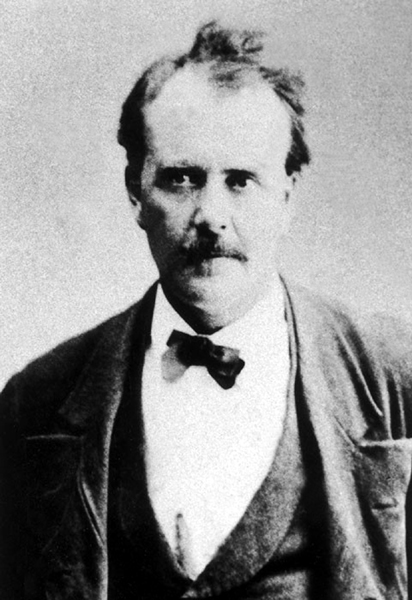
Wells W. Spicer (1831–1885 or 1887) was an American journalist, prospector, politician, lawyer and judge whose legal career immersed him in two significant events in frontier history: the Mountain Meadows massacre in the Utah Territory in 1857; and the 1881 shootout commonly known as the Gunfight at the O.K. Corral in Tombstone, Arizona Territory. After he left Tombstone, he returned to prospecting. He disappeared in 1885 or 1887.
Spicer was born in Chemung, New York to William and Seba Spicer, both farmers of Presbyterian faith. He had two siblings: an older brother, George; and a younger sister, also named Seba. The family relocated to Tipton, Iowa when Wells was about nine years old. As a young man, Spicer worked as a clerk for Samuel Augustus Bissell, a respected lawyer and judge. Under Bissell's tutelage, Spicer was admitted to the Iowa bar in 1853. In the same year, Spicer and his associates began publishing the Cedar County Advertiser; Spicer became the sole publisher and editor the following year, eventually selling his successful newspaper four years later. After unsuccessfully running as a Democrat for county prosecutor in 1854, Spicer became a Republican and won the race for county judge in 1856. In July of the same year, Spicer married Abbie Gilbert and had a son, Earnest, a year later. Abbie and Wells separated in 1876, although Wells considered himself still married years later.
After living in Onandaeg City, Colorado, briefly, Spicer left his family in Tipton and went to the Utah Territory with his former fellow publisher, Charles Swetland in 1869. They settled in Corinne City. Spicer was admitted to the Utah bar and specialized in mining suits and claims, and he started a hotel in Corrine City. Swetland died shortly thereafter, but Spicer was joined by Abbie and Earnest around the same time. Spicer and his family moved to Ophir City in 1871 and began similar legal activity as well as prospecting and starting a tunneling company. Spicer continued his journalistic efforts, contributing to the Salt Lake Daily Tribune and Utah Mining Gazette. When Ophir's silver veins began to dry out, the Spicers moved to Salt Lake City in 1872. There Spicer was appointed U.S. Commissioner by the Supreme Court, hearing cases mostly in Bingham. In 1874 Spicer leased Rollins Mine, a defunct lead mine, in the Lincoln Mining District 18 miles west of Beaver near Minersville. After striking a profitable vein of lead and gold, the area was revitalized. It was through his connections in Beaver that Spicer was involved in one of Utah's darkest events.
In November 1874, Sheriff William Stokes of Beaver arrested John D. Lee in Panguitch, less than 50 miles away, and jailed him near Beaver. Lee was one of eight men with arrest warrants for the murders at Mountain Meadows. It's not known how Spicer and Lee were introduced, but Lee would retain Spicer's services despite his initial wishes to represent himself. Spicer advised Lee to make a full confession, but Lee did not wish to implicate members of the Mormon hierarchy. Spicer assembled a legal team that consisted of Enos D. Hoge and William W. Bishop with eyewitness John McFarlane as an assistant (the team of George Bates and Jabez Sutherland was there more to protect the LDS Church than to defend Lee). Lee's trial began in late July 1875. After the prosecution spent several days detailing the "lurid and horrible details" of the massacre, Spicer presented his opening argument by spending 3 hours detailing other possible theories: that the Indians were solely responsible and Lee tried to save the doomed families; that the marauders were blind followers of the LDS church under orders from church leaders; or that the victims were reckless and "had no regard for property or person", behavior which served to anger the Indians. Spicer concentrated on the theory of religious fanaticism. Despite Spicer's tactics, no Mormons testified against Lee. The result was a hung jury with eight Mormons voting for acquittal and four Gentiles opting for a guilty verdict. Spicer now found himself ostracized: by non-Mormons who felt he became "the most complete jack Mormon" by defending Lee; and by Mormons who were incensed by his defense strategies. Both sides were openly critical of him in their respective newspapers, often referring to him simply as "One Spicer".
Lee's silence was unrewarded; it was also his undoing. Church elders struck a deal with the prosecutor from the U.S. Attorney's office, who initiated a second trial and populated the jury with Mormons who would "exonerate Mormon authorities of complicity in the massacre". Charges against other church leaders were dropped. Despite defense claims that prosecution witnesses were also willing participants in the massacre as well as glaring inconsistencies in their testimonies, Lee was found guilty in September 1876 and sentenced to death. Spicer and Bishop appealed the conviction, which was upheld by the Supreme Court. Spicer requested clemency from Gov. George W. Emery, who denied it due to Lee's reluctance to make a full public confession. Spicer attended Lee's execution by firing squad on March 22, 1877. The unsettling trials and aftermath inspired Spicer to refer to himself as the "unkilled of Mountain Meadows".
Spicer was renamed U.S. Commissioner for Utah Territory by the Supreme Court in 1876. He remained in Utah until the end of his commission in 1878. Discouraged by the recent turn of events, Spicer left for southeastern Arizona Territory when he learned of a silver strike in Tombstone, Arizona.
The first verifiable evidence of Spicer's presence in Tombstone was his appointment as a special correspondent for the Arizona Daily Star on January 3, 1880, though earlier articles bearing the names of "Utah" and "W.S." may well have been Spicer's. As in his Utah days, Spicer's articles dealt mainly in the area of mining. He resumed his other mining activities, such as prospecting and practicing mining law. A previous acquaintance, Charles G.W. French, was named Chief Justice of Arizona by President Ulysses S. Grant and in turn named Spicer a justice of the First District Court in June 1880.
Spicer was the first Master of King Solomon Masonic Lodge#5, founded in Tombstone on March 14, 1881.
Hub AI
Wells Spicer AI simulator
(@Wells Spicer_simulator)
Wells Spicer
Wells W. Spicer (1831–1885 or 1887) was an American journalist, prospector, politician, lawyer and judge whose legal career immersed him in two significant events in frontier history: the Mountain Meadows massacre in the Utah Territory in 1857; and the 1881 shootout commonly known as the Gunfight at the O.K. Corral in Tombstone, Arizona Territory. After he left Tombstone, he returned to prospecting. He disappeared in 1885 or 1887.
Spicer was born in Chemung, New York to William and Seba Spicer, both farmers of Presbyterian faith. He had two siblings: an older brother, George; and a younger sister, also named Seba. The family relocated to Tipton, Iowa when Wells was about nine years old. As a young man, Spicer worked as a clerk for Samuel Augustus Bissell, a respected lawyer and judge. Under Bissell's tutelage, Spicer was admitted to the Iowa bar in 1853. In the same year, Spicer and his associates began publishing the Cedar County Advertiser; Spicer became the sole publisher and editor the following year, eventually selling his successful newspaper four years later. After unsuccessfully running as a Democrat for county prosecutor in 1854, Spicer became a Republican and won the race for county judge in 1856. In July of the same year, Spicer married Abbie Gilbert and had a son, Earnest, a year later. Abbie and Wells separated in 1876, although Wells considered himself still married years later.
After living in Onandaeg City, Colorado, briefly, Spicer left his family in Tipton and went to the Utah Territory with his former fellow publisher, Charles Swetland in 1869. They settled in Corinne City. Spicer was admitted to the Utah bar and specialized in mining suits and claims, and he started a hotel in Corrine City. Swetland died shortly thereafter, but Spicer was joined by Abbie and Earnest around the same time. Spicer and his family moved to Ophir City in 1871 and began similar legal activity as well as prospecting and starting a tunneling company. Spicer continued his journalistic efforts, contributing to the Salt Lake Daily Tribune and Utah Mining Gazette. When Ophir's silver veins began to dry out, the Spicers moved to Salt Lake City in 1872. There Spicer was appointed U.S. Commissioner by the Supreme Court, hearing cases mostly in Bingham. In 1874 Spicer leased Rollins Mine, a defunct lead mine, in the Lincoln Mining District 18 miles west of Beaver near Minersville. After striking a profitable vein of lead and gold, the area was revitalized. It was through his connections in Beaver that Spicer was involved in one of Utah's darkest events.
In November 1874, Sheriff William Stokes of Beaver arrested John D. Lee in Panguitch, less than 50 miles away, and jailed him near Beaver. Lee was one of eight men with arrest warrants for the murders at Mountain Meadows. It's not known how Spicer and Lee were introduced, but Lee would retain Spicer's services despite his initial wishes to represent himself. Spicer advised Lee to make a full confession, but Lee did not wish to implicate members of the Mormon hierarchy. Spicer assembled a legal team that consisted of Enos D. Hoge and William W. Bishop with eyewitness John McFarlane as an assistant (the team of George Bates and Jabez Sutherland was there more to protect the LDS Church than to defend Lee). Lee's trial began in late July 1875. After the prosecution spent several days detailing the "lurid and horrible details" of the massacre, Spicer presented his opening argument by spending 3 hours detailing other possible theories: that the Indians were solely responsible and Lee tried to save the doomed families; that the marauders were blind followers of the LDS church under orders from church leaders; or that the victims were reckless and "had no regard for property or person", behavior which served to anger the Indians. Spicer concentrated on the theory of religious fanaticism. Despite Spicer's tactics, no Mormons testified against Lee. The result was a hung jury with eight Mormons voting for acquittal and four Gentiles opting for a guilty verdict. Spicer now found himself ostracized: by non-Mormons who felt he became "the most complete jack Mormon" by defending Lee; and by Mormons who were incensed by his defense strategies. Both sides were openly critical of him in their respective newspapers, often referring to him simply as "One Spicer".
Lee's silence was unrewarded; it was also his undoing. Church elders struck a deal with the prosecutor from the U.S. Attorney's office, who initiated a second trial and populated the jury with Mormons who would "exonerate Mormon authorities of complicity in the massacre". Charges against other church leaders were dropped. Despite defense claims that prosecution witnesses were also willing participants in the massacre as well as glaring inconsistencies in their testimonies, Lee was found guilty in September 1876 and sentenced to death. Spicer and Bishop appealed the conviction, which was upheld by the Supreme Court. Spicer requested clemency from Gov. George W. Emery, who denied it due to Lee's reluctance to make a full public confession. Spicer attended Lee's execution by firing squad on March 22, 1877. The unsettling trials and aftermath inspired Spicer to refer to himself as the "unkilled of Mountain Meadows".
Spicer was renamed U.S. Commissioner for Utah Territory by the Supreme Court in 1876. He remained in Utah until the end of his commission in 1878. Discouraged by the recent turn of events, Spicer left for southeastern Arizona Territory when he learned of a silver strike in Tombstone, Arizona.
The first verifiable evidence of Spicer's presence in Tombstone was his appointment as a special correspondent for the Arizona Daily Star on January 3, 1880, though earlier articles bearing the names of "Utah" and "W.S." may well have been Spicer's. As in his Utah days, Spicer's articles dealt mainly in the area of mining. He resumed his other mining activities, such as prospecting and practicing mining law. A previous acquaintance, Charles G.W. French, was named Chief Justice of Arizona by President Ulysses S. Grant and in turn named Spicer a justice of the First District Court in June 1880.
Spicer was the first Master of King Solomon Masonic Lodge#5, founded in Tombstone on March 14, 1881.
Recent media