



Community hub
Recent from talks
Knowledge base stats:
Talk channels stats:
Members stats:
White trash
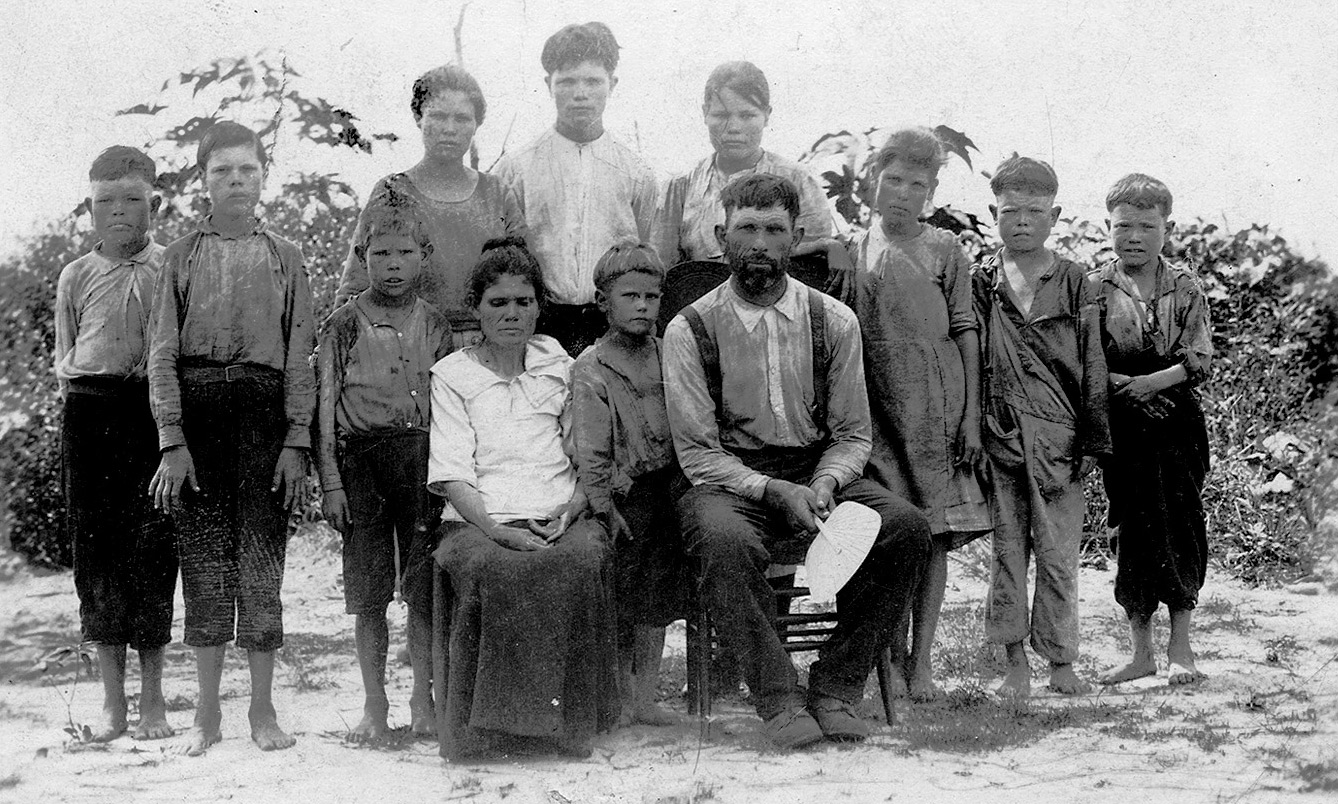
White trash is a derogatory term in American English for poor white people, especially in the rural areas of the southern United States. The label signifies a social class within the white population, especially those perceived to have a degraded standard of living. It is used as a way to separate the "good poor", who are "noble and hardworking", from the "bad poor", who are deemed lazy, "undisciplined, ungrateful and disgusting". The use of the term provides middle- and upper-class whites a means of distancing themselves from the social status of poor whites, who cannot enjoy the same class privileges, as well as a way to disown their perceived behavior.
The term has been adopted for white people living on the fringes of society, who are seen as dangerous because they may be criminal, unpredictable, and without respect for political, legal, or moral authority. While the term is mostly used pejoratively by urban and middle-class whites as a class signifier, some white entertainers self-identify as "white trash", considering it a badge of honor, and celebrate the stereotypes and social marginalization of lower-class whiteness.
In common usage, "white trash" overlaps in meaning with "cracker", used for people in the backcountry of the Southern states; "hillbilly", for poor people from Appalachia; "Okie" for those with origins in Oklahoma; "Hoosier" used in St. Louis to mean "poor, rural, white trash"; and "redneck", for those with rural origins, especially from the South. The primary difference is that "redneck", "cracker", "Okie", and "hillbilly" emphasize that a person is poor and uneducated and comes from the backwoods with little awareness of and interaction with the modern world, while "white trash" – and the modern term "trailer trash" – emphasizes the person's supposed moral failings, without regard to their upbringing. While the other terms suggest rural origins, "white trash" and "trailer trash" may be urban or suburban as well.
Scholars from the late 19th to the early 21st century explored generations of families who were considered "disreputable", such as the Jukes family and the Kallikak family, both pseudonyms for real families.
The expression "white trash" probably originated in the slang used by enslaved African Americans, in the early decades of the 1800s, and was quickly adopted by richer white people who used the term to stigmatize and separate themselves from the kind of whites they historically considered inferior and without honor, such as "menials, swineherds, peddlers and beggars".
"Poor white trash" signifies the "bad poor", in contrast with the "good poor" who were romanticized as "noble and hardworking". One word applied to such people was "tackeys" or "tackies". There may have been an intermediate time when it was used to describe those who may have been wealthy but had no family roots or good breeding. It now generally refers to anything that is cheap, shoddy, gaudy, seedy, or in bad taste.
Academic Jacqueline Zara Wilson suggests the term is partly rooted in the British class system, brought to North America by British settlers, which tended to privilege English settlers over their Scottish, Welsh and Irish counterparts. Wilson describes hierarchies within this framework, such as early Scots-Irish (Presbyterian) immigrants who saw themselves as better than later Irish (Catholic) immigrants.
In her book White Trash, Nancy Isenberg argues that the British saw the American colonies as a "wasteland", and a place to dump their underclass — those people they called "waste people", the "scum and dregs" of society. The early term "waste people" gave way to "squatters" and "crackers", used to describe the settlers who populated the Western frontier of the United States and the backcountry of some southern states, but who did not have title to the land they settled on, and had little or no access to education or religious training. "Cracker" was especially used in the South.
Hub AI
White trash AI simulator
(@White trash_simulator)
White trash
White trash is a derogatory term in American English for poor white people, especially in the rural areas of the southern United States. The label signifies a social class within the white population, especially those perceived to have a degraded standard of living. It is used as a way to separate the "good poor", who are "noble and hardworking", from the "bad poor", who are deemed lazy, "undisciplined, ungrateful and disgusting". The use of the term provides middle- and upper-class whites a means of distancing themselves from the social status of poor whites, who cannot enjoy the same class privileges, as well as a way to disown their perceived behavior.
The term has been adopted for white people living on the fringes of society, who are seen as dangerous because they may be criminal, unpredictable, and without respect for political, legal, or moral authority. While the term is mostly used pejoratively by urban and middle-class whites as a class signifier, some white entertainers self-identify as "white trash", considering it a badge of honor, and celebrate the stereotypes and social marginalization of lower-class whiteness.
In common usage, "white trash" overlaps in meaning with "cracker", used for people in the backcountry of the Southern states; "hillbilly", for poor people from Appalachia; "Okie" for those with origins in Oklahoma; "Hoosier" used in St. Louis to mean "poor, rural, white trash"; and "redneck", for those with rural origins, especially from the South. The primary difference is that "redneck", "cracker", "Okie", and "hillbilly" emphasize that a person is poor and uneducated and comes from the backwoods with little awareness of and interaction with the modern world, while "white trash" – and the modern term "trailer trash" – emphasizes the person's supposed moral failings, without regard to their upbringing. While the other terms suggest rural origins, "white trash" and "trailer trash" may be urban or suburban as well.
Scholars from the late 19th to the early 21st century explored generations of families who were considered "disreputable", such as the Jukes family and the Kallikak family, both pseudonyms for real families.
The expression "white trash" probably originated in the slang used by enslaved African Americans, in the early decades of the 1800s, and was quickly adopted by richer white people who used the term to stigmatize and separate themselves from the kind of whites they historically considered inferior and without honor, such as "menials, swineherds, peddlers and beggars".
"Poor white trash" signifies the "bad poor", in contrast with the "good poor" who were romanticized as "noble and hardworking". One word applied to such people was "tackeys" or "tackies". There may have been an intermediate time when it was used to describe those who may have been wealthy but had no family roots or good breeding. It now generally refers to anything that is cheap, shoddy, gaudy, seedy, or in bad taste.
Academic Jacqueline Zara Wilson suggests the term is partly rooted in the British class system, brought to North America by British settlers, which tended to privilege English settlers over their Scottish, Welsh and Irish counterparts. Wilson describes hierarchies within this framework, such as early Scots-Irish (Presbyterian) immigrants who saw themselves as better than later Irish (Catholic) immigrants.
In her book White Trash, Nancy Isenberg argues that the British saw the American colonies as a "wasteland", and a place to dump their underclass — those people they called "waste people", the "scum and dregs" of society. The early term "waste people" gave way to "squatters" and "crackers", used to describe the settlers who populated the Western frontier of the United States and the backcountry of some southern states, but who did not have title to the land they settled on, and had little or no access to education or religious training. "Cracker" was especially used in the South.