Recent from talks
Wildlife corridor
Knowledge base stats:
Talk channels stats:
Members stats:
Wildlife corridor
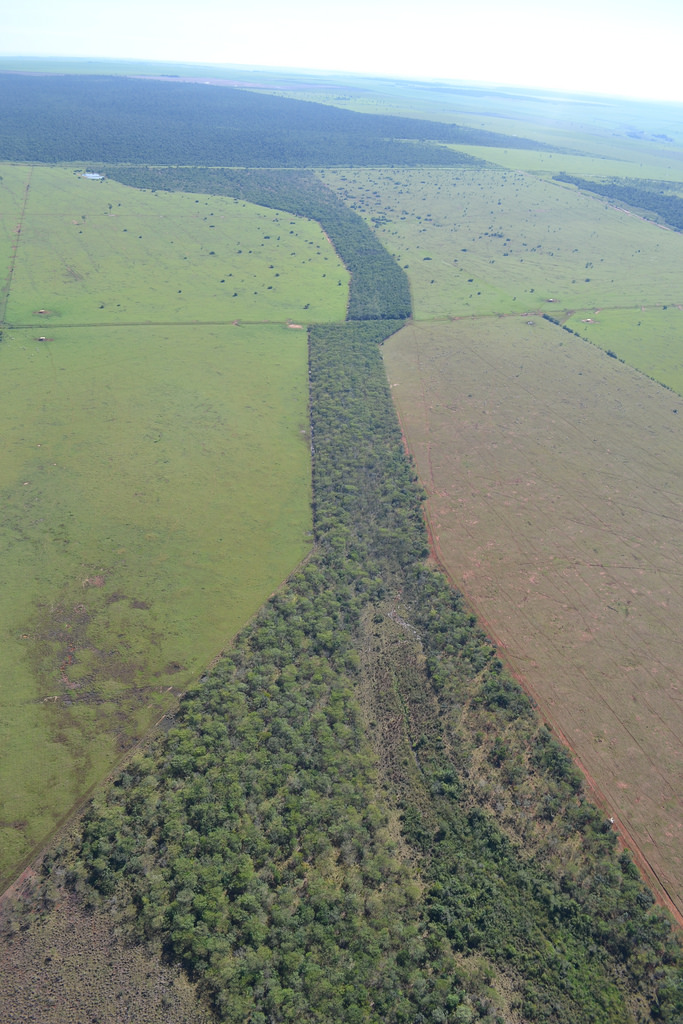
A wildlife corridor, also known as a habitat corridor, or green corridor, is a designated area that connects wildlife populations that have been separated by human activities or structures, such as development, roads, or land clearings. These corridors enable movement of individuals between populations, which helps to prevent negative effects of inbreeding and reduced genetic diversity, often caused by genetic drift, that can occur in isolated populations. Additionally, corridors support the re-establishment of populations that may have been reduced or wiped out due to random events like fires or disease. They can also mitigate some of the severe impacts of habitat fragmentation, a result of urbanization that divides habitat areas and restricts animal movement. Habitat fragmentation from human development poses an increasing threat to biodiversity, and habitat corridors help to reduce its harmful effects. Corridors aside from their benefit to vulnerable wildlife populations can conflict with communities surrounding them when human-wildlife conflicts are involved. In other communities the benefits of wildlife corridors to wildlife conservation are used and managed by indigenous communities.
Habitat corridors can be considered a management tool in areas where the destruction of a natural habitats has severely impacted native species, whether due to human development or natural disasters. When land is fragmented, wildlife populations may become unstable or isolated from larger populations. These management tools are used by ecologists, biologists, indigenous tribes, and other concerned parties that oversee wildlife populations. Corridors help reconnect these fragmented populations and reduce negative population fluctuations by supporting these key aspects that stabilize populations:
Daniel Rosenberg et al. were among the first to define the concept of wildlife corridors, developing a model that emphasized the corridors' role in facilitating movement unrestricted by the end of native vegetation or intermediate target patches of habitat.
Wildlife corridors also have significant indirect effects on plant populations by increasing pollen and seed dispersal through animals movement, of various species between isolated habitat patches. Corridors must be large enough to support minimum critical populations, reduce migration barriers, and maximize connectivity between populations.
Wildlife corridors may also include aquatic habitats often referred to as riparian ribbons, and are typically found in the form of rivers and streams. Terrestrial corridors take the form of wooded strips connecting forested areas or an urban hedgerows.
Wildlife corridors can connect into federal, state, private, and tribal land which can influence the opposition or acceptance of including wildlife corridors. The development of man made structures and expansion into natural areas can have an impact on both human and wildlife. Although expressions such as "freedom to roam" promote the idea of wildlife freely moving throughout natural landscapes, this same ideology does not apply to indigenous peoples. The theoretical ideas of landscape connectivity present them in a purely scientific and non-political manner that fails to account for political factors that can impact success within wildlife corridors and restorative ecological practices. Attempts to restore habitat over time require support from the local communities that surround the habitat area, oftentimes these communities are indigenous, that a restoration project is being placed around.
Indigenous knowledge of ecological landscape features across history is usually substituted with European explorers' of landscape ecology recollections when developing widescale corridor plans and within the broader ecological field. As such there is a distinction in the use of ecological and indigenous knowledge when taking into account where wildlife populations are found, species composition within a community, and even seasonal patterns lengths and changes. Widespread efforts that actively involve the input of a variety of political and environmental groups are not always used in ecological restoration efforts. Currently there are some collaborations ongoing between indigenous groups surrounding wildlife corridor habitat such as the Yellowstone to Yukon Conservation Initiative which promote the conversion of previously stolen land into indigenously managed land. The concern regarding land once used and lived upon by indigenous people, which now makes up habitat within wildlife corridors, and developed land that corridors cut across contribute to the Land Back movement.
Managing both terrestrial and aquatic lands can have a positive economic impact on Indigenous groups that continue to rely on wildlife populations for cultural practices, fishing, hunting, etc. in a variety of natural landscapes. Indigenous groups face financial inequities despite the large benefits of conservation efforts; this if the result of a lack of consideration placed on how wildlife corridors can impact local communities. The overlap of wildlife, specifically larger predator species, poses a physical danger to local communities. Economic revenue for local groups nearby or within heavily forested areas poses a threat to human property, crops, and livestock with higher chances of wildlife encounters; fisheries can also be negatively impacted by wilderness areas. Many indigenous tribes manage wildlife populations within tribal lands that are legally recognized by governments, yet these tribes lack the finances to effectively manage large swathes of habitat. The Tribal Wildlife Corridors Act would allow indigenous groups across the U.S. to implement wildlife corridors with both the finances and cooperation of neighboring governmental allies to help manage tribal lands.
Hub AI
Wildlife corridor AI simulator
(@Wildlife corridor_simulator)
Wildlife corridor
A wildlife corridor, also known as a habitat corridor, or green corridor, is a designated area that connects wildlife populations that have been separated by human activities or structures, such as development, roads, or land clearings. These corridors enable movement of individuals between populations, which helps to prevent negative effects of inbreeding and reduced genetic diversity, often caused by genetic drift, that can occur in isolated populations. Additionally, corridors support the re-establishment of populations that may have been reduced or wiped out due to random events like fires or disease. They can also mitigate some of the severe impacts of habitat fragmentation, a result of urbanization that divides habitat areas and restricts animal movement. Habitat fragmentation from human development poses an increasing threat to biodiversity, and habitat corridors help to reduce its harmful effects. Corridors aside from their benefit to vulnerable wildlife populations can conflict with communities surrounding them when human-wildlife conflicts are involved. In other communities the benefits of wildlife corridors to wildlife conservation are used and managed by indigenous communities.
Habitat corridors can be considered a management tool in areas where the destruction of a natural habitats has severely impacted native species, whether due to human development or natural disasters. When land is fragmented, wildlife populations may become unstable or isolated from larger populations. These management tools are used by ecologists, biologists, indigenous tribes, and other concerned parties that oversee wildlife populations. Corridors help reconnect these fragmented populations and reduce negative population fluctuations by supporting these key aspects that stabilize populations:
Daniel Rosenberg et al. were among the first to define the concept of wildlife corridors, developing a model that emphasized the corridors' role in facilitating movement unrestricted by the end of native vegetation or intermediate target patches of habitat.
Wildlife corridors also have significant indirect effects on plant populations by increasing pollen and seed dispersal through animals movement, of various species between isolated habitat patches. Corridors must be large enough to support minimum critical populations, reduce migration barriers, and maximize connectivity between populations.
Wildlife corridors may also include aquatic habitats often referred to as riparian ribbons, and are typically found in the form of rivers and streams. Terrestrial corridors take the form of wooded strips connecting forested areas or an urban hedgerows.
Wildlife corridors can connect into federal, state, private, and tribal land which can influence the opposition or acceptance of including wildlife corridors. The development of man made structures and expansion into natural areas can have an impact on both human and wildlife. Although expressions such as "freedom to roam" promote the idea of wildlife freely moving throughout natural landscapes, this same ideology does not apply to indigenous peoples. The theoretical ideas of landscape connectivity present them in a purely scientific and non-political manner that fails to account for political factors that can impact success within wildlife corridors and restorative ecological practices. Attempts to restore habitat over time require support from the local communities that surround the habitat area, oftentimes these communities are indigenous, that a restoration project is being placed around.
Indigenous knowledge of ecological landscape features across history is usually substituted with European explorers' of landscape ecology recollections when developing widescale corridor plans and within the broader ecological field. As such there is a distinction in the use of ecological and indigenous knowledge when taking into account where wildlife populations are found, species composition within a community, and even seasonal patterns lengths and changes. Widespread efforts that actively involve the input of a variety of political and environmental groups are not always used in ecological restoration efforts. Currently there are some collaborations ongoing between indigenous groups surrounding wildlife corridor habitat such as the Yellowstone to Yukon Conservation Initiative which promote the conversion of previously stolen land into indigenously managed land. The concern regarding land once used and lived upon by indigenous people, which now makes up habitat within wildlife corridors, and developed land that corridors cut across contribute to the Land Back movement.
Managing both terrestrial and aquatic lands can have a positive economic impact on Indigenous groups that continue to rely on wildlife populations for cultural practices, fishing, hunting, etc. in a variety of natural landscapes. Indigenous groups face financial inequities despite the large benefits of conservation efforts; this if the result of a lack of consideration placed on how wildlife corridors can impact local communities. The overlap of wildlife, specifically larger predator species, poses a physical danger to local communities. Economic revenue for local groups nearby or within heavily forested areas poses a threat to human property, crops, and livestock with higher chances of wildlife encounters; fisheries can also be negatively impacted by wilderness areas. Many indigenous tribes manage wildlife populations within tribal lands that are legally recognized by governments, yet these tribes lack the finances to effectively manage large swathes of habitat. The Tribal Wildlife Corridors Act would allow indigenous groups across the U.S. to implement wildlife corridors with both the finances and cooperation of neighboring governmental allies to help manage tribal lands.
Recent media