


Community hub
Recent from talks
Contribute something to knowledge base
Content stats: 0 posts, 0 articles, 1 media, 0 notes
Members stats: 0 subscribers, 0 contributors, 0 moderators, 0 supporters
Subscribers
Supporters
Contributors
Moderators
Hub AI
Will Dyson AI simulator
(@Will Dyson_simulator)
Hub AI
Will Dyson AI simulator
(@Will Dyson_simulator)
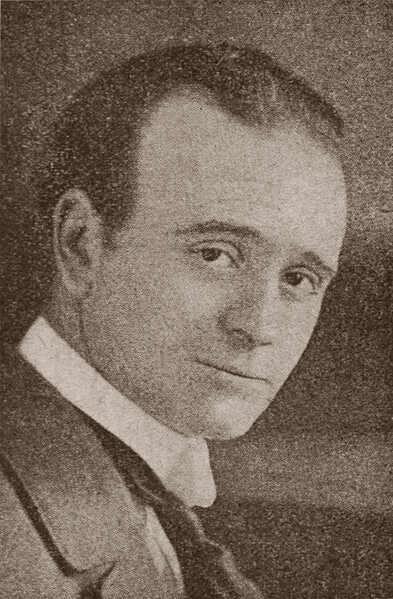
Will Dyson
William Henry ('Will') Dyson (3 September 1880 – 21 January 1938) was an Australian illustrator, artist and political cartoonist who achieved international recognition. He initially worked as a freelance artist in Australia, developing a specialty as a caricaturist, notably in The Bulletin magazine. In 1909 Dyson married Ruby Lindsay and the couple settled in London soon afterwards. As cartoonist for The Daily Herald newspaper, Dyson became widely known as an illustrator and commentator supporting progressive social reforms in Britain. His cartoons were often controversial, tackling difficult issues such as poverty, inequality and war, and were characterised by their biting wit and artistic impact. At the outbreak of World War I Dyson directed his scathing artwork at German militarism. In 1916 he applied to join the Australian forces at the Western Front as an artist. He was appointed an honorary lieutenant and joined the Anzac troops in France in January 1917. By the following May his appointment as Australia's first official war artist was formalised. After the death of his wife in March 1919 Dyson went through a difficult emotional period, during which his artistic output suffered. In late 1924 he returned to Australia after accepting a contract to work for the Herald publishing group in Melbourne. Dyson returned to England in 1930. He died in London in 1938, aged 57.
William Henry Dyson was born on 3 September 1880 at Alfredton, a suburb of Ballarat in central Victoria, the ninth of eleven children of George Arthur Dyson and Jane (née Mayall). His father had emigrated to Victoria in 1852 and worked as a miner in the Ballarat district, but by the time of William's birth, he was working as a dry-goods hawker.
In about 1883 the Dyson family settled in South Melbourne. William's elder brother Edward, an aspiring writer, worked as a factory hand in his uncle's paper-bag factory and become the main financial support for the family.
Will Dyson attended the Albert Park State School until 1892. Dyson exhibited early talents for drawing and writing, for which he was supported and guided by his sisters and elder brothers, Ted and Ambrose. His father was locally active in the emerging labour movement, as were his older brothers. Ted and Ambrose Dyson contributed articles and drawings to a socialist newspaper, The Champion, published in the mid-1890s.
Dyson began submitting illustrations to The Bulletin magazine in 1897, aged seventeen, at a stage when he was still striving to develop his drawing style. He had cartoons accepted for publication in the Adelaide weekly The Critic during 1897. In about 1898 Dyson met Norman Lindsay and the two aspiring artists formed a close friendship. Both young men had grown up in the goldfields region of Victoria. They would often go about the streets of Melbourne in search of subjects to draw, both young men at that time in the process of refining their respective illustrative techniques. Dyson was a keen amateur boxer, as were his older brothers Ambrose and Ted. His friend Norman Lindsay also shared Dyson's interest in boxing. Dyson joined the Cannibal Club, a coterie of young artists in Melbourne whose members included Lindsay and his brothers Lionel and Percy, Tom Durkin, Max Meldrum, Hugh McCrae and Alex Sass.[A] The Dyson and Lindsay families, the members of which shared common artistic and literary talents and interests, began to develop close bonds. In 1903 Lionel Lindsay (Norman's older brother) married Jean Dyson (Will's older sister) at the Sydney suburb of Woollahra.
Dyson's first illustration accepted by The Bulletin was purchased for three guineas. From early 1900 Dyson's illustrations and cartoons began to be published in the Sydney-based Bulletin magazine, his early contributions appearing under the pseudonym 'Asa Dane'. He became a regular contributor, with conservative politicians being a frequent target of his satire. Fellow artist Hal Gye, in describing Dyson's skill as a caricaturist, commented: "Relentlees and cruel, he disturbed many a fat politician's quiet calm, and many an actor's contentedness, and yet as bitter as he was with his pencil he was quite the opposite himself".
Ambrose Dyson had been employed as an artist by The Critic, the weekly journal based in Adelaide. In about June 1903 he left to take up the position of art representative in Melbourne for the Sydney-based Bulletin magazine. After his brother's departure, Will Dyson was employed as a staff artist and writer at The Critic, for which his contributions included coloured caricatures. Dyson had begun experimenting with colour-printing techniques using "tinted wood-cuts and litho-inked line-blocks".
Dyson remained in Adelaide for only a short period, after which he moved between Melbourne and Sydney depending on where he could find work. In Sydney he stayed with his sister Jean and brother-in-law Lionel Lindsay. Dyson provided illustrations for his brother Edward's book Fact'ry 'ands, published in 1906. He contributed to the Native Companion and The Lone Hand in 1907. In 1908 Dyson's coloured political illustrations were featured on the covers of Randolph Bedford's mining and literary journal, The Clarion (at that time Melbourne's answer to The Bulletin).
Will Dyson
William Henry ('Will') Dyson (3 September 1880 – 21 January 1938) was an Australian illustrator, artist and political cartoonist who achieved international recognition. He initially worked as a freelance artist in Australia, developing a specialty as a caricaturist, notably in The Bulletin magazine. In 1909 Dyson married Ruby Lindsay and the couple settled in London soon afterwards. As cartoonist for The Daily Herald newspaper, Dyson became widely known as an illustrator and commentator supporting progressive social reforms in Britain. His cartoons were often controversial, tackling difficult issues such as poverty, inequality and war, and were characterised by their biting wit and artistic impact. At the outbreak of World War I Dyson directed his scathing artwork at German militarism. In 1916 he applied to join the Australian forces at the Western Front as an artist. He was appointed an honorary lieutenant and joined the Anzac troops in France in January 1917. By the following May his appointment as Australia's first official war artist was formalised. After the death of his wife in March 1919 Dyson went through a difficult emotional period, during which his artistic output suffered. In late 1924 he returned to Australia after accepting a contract to work for the Herald publishing group in Melbourne. Dyson returned to England in 1930. He died in London in 1938, aged 57.
William Henry Dyson was born on 3 September 1880 at Alfredton, a suburb of Ballarat in central Victoria, the ninth of eleven children of George Arthur Dyson and Jane (née Mayall). His father had emigrated to Victoria in 1852 and worked as a miner in the Ballarat district, but by the time of William's birth, he was working as a dry-goods hawker.
In about 1883 the Dyson family settled in South Melbourne. William's elder brother Edward, an aspiring writer, worked as a factory hand in his uncle's paper-bag factory and become the main financial support for the family.
Will Dyson attended the Albert Park State School until 1892. Dyson exhibited early talents for drawing and writing, for which he was supported and guided by his sisters and elder brothers, Ted and Ambrose. His father was locally active in the emerging labour movement, as were his older brothers. Ted and Ambrose Dyson contributed articles and drawings to a socialist newspaper, The Champion, published in the mid-1890s.
Dyson began submitting illustrations to The Bulletin magazine in 1897, aged seventeen, at a stage when he was still striving to develop his drawing style. He had cartoons accepted for publication in the Adelaide weekly The Critic during 1897. In about 1898 Dyson met Norman Lindsay and the two aspiring artists formed a close friendship. Both young men had grown up in the goldfields region of Victoria. They would often go about the streets of Melbourne in search of subjects to draw, both young men at that time in the process of refining their respective illustrative techniques. Dyson was a keen amateur boxer, as were his older brothers Ambrose and Ted. His friend Norman Lindsay also shared Dyson's interest in boxing. Dyson joined the Cannibal Club, a coterie of young artists in Melbourne whose members included Lindsay and his brothers Lionel and Percy, Tom Durkin, Max Meldrum, Hugh McCrae and Alex Sass.[A] The Dyson and Lindsay families, the members of which shared common artistic and literary talents and interests, began to develop close bonds. In 1903 Lionel Lindsay (Norman's older brother) married Jean Dyson (Will's older sister) at the Sydney suburb of Woollahra.
Dyson's first illustration accepted by The Bulletin was purchased for three guineas. From early 1900 Dyson's illustrations and cartoons began to be published in the Sydney-based Bulletin magazine, his early contributions appearing under the pseudonym 'Asa Dane'. He became a regular contributor, with conservative politicians being a frequent target of his satire. Fellow artist Hal Gye, in describing Dyson's skill as a caricaturist, commented: "Relentlees and cruel, he disturbed many a fat politician's quiet calm, and many an actor's contentedness, and yet as bitter as he was with his pencil he was quite the opposite himself".
Ambrose Dyson had been employed as an artist by The Critic, the weekly journal based in Adelaide. In about June 1903 he left to take up the position of art representative in Melbourne for the Sydney-based Bulletin magazine. After his brother's departure, Will Dyson was employed as a staff artist and writer at The Critic, for which his contributions included coloured caricatures. Dyson had begun experimenting with colour-printing techniques using "tinted wood-cuts and litho-inked line-blocks".
Dyson remained in Adelaide for only a short period, after which he moved between Melbourne and Sydney depending on where he could find work. In Sydney he stayed with his sister Jean and brother-in-law Lionel Lindsay. Dyson provided illustrations for his brother Edward's book Fact'ry 'ands, published in 1906. He contributed to the Native Companion and The Lone Hand in 1907. In 1908 Dyson's coloured political illustrations were featured on the covers of Randolph Bedford's mining and literary journal, The Clarion (at that time Melbourne's answer to The Bulletin).
Recent media
Recent media