



Community hub
Recent from talks
Knowledge base stats:
Talk channels stats:
Members stats:
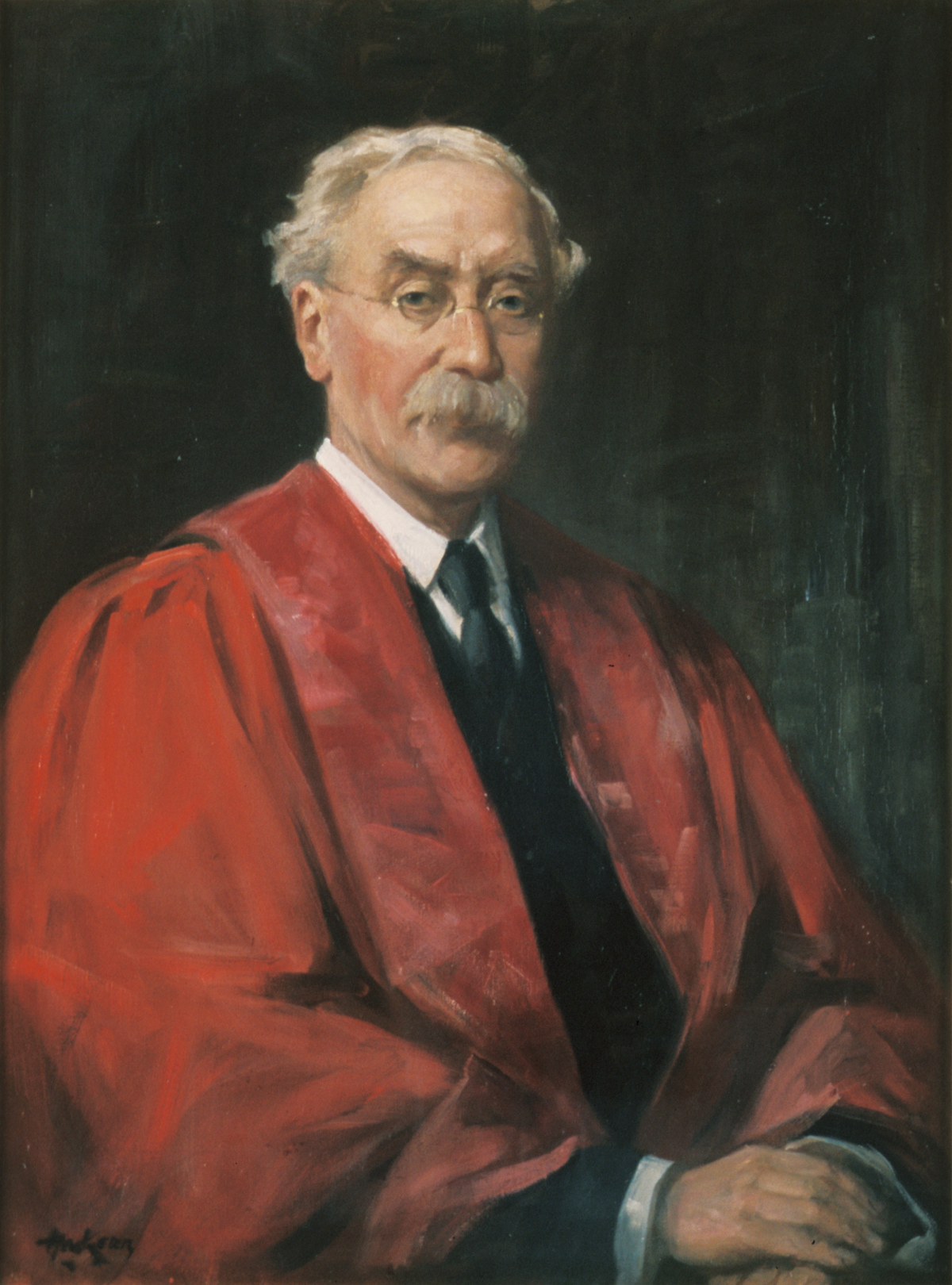
William Leslie Mackenzie
Sir William Leslie Mackenzie MD FRSE (30 May 1862 – 28 February 1935) was a Scottish doctor renowned in the field of public health, best known for his efforts to systematise rural healthcare and his contributions to the study of child and maternal health.
William Leslie Mackenzie was born into a small farming community called Shadwick Mains, in Rossshire, Scotland, to James Mackenzie and his wife, Margaret McKenzie. He attended his local one-room school until the age of fourteen, serving as a pupil-teacher for his last three years there. He then attended grammar school in Aberdeen. Mackenzie remained there until age sixteen and then taught for a time at a private girls’ school. He graduated from Aberdeen University with an MA in classics and philosophy (with first class honors), winning various scholarships along the way including the Ferguson and Fullerton awards in mental philosophy. Upon receiving his degree, Mackenzie continued his studies at Edinburgh University for one term. During his studies, he was influenced greatly by Alexander Bain and was a one-time associate of Edwin Chadwick, another major public health figure. He married Helen Carruthers Spence on 12 February 1892. They had no children. Helen pursued an active political career including supporting women's emancipation and the right to vote, and also served on many health boards and committees.
Mackenzie decided to enter medicine and was awarded a bursary to attend Aberdeen. He graduated M.B., C.M. with honors in 1888, and later held the position of resident physician at the Aberdeen Infirmary. He later served as an assistant to the university's professor of physiology, Matthew Hay. Obtaining his public health diploma in 1890, Mackenzie became the assistant medical officer at Aberdeen. He transferred the following year to serve as the Kirkcudbrightshire and Wigtownshire county medical officer.
In 1895, Mackenzie's work with rural water supplies earned him high honors. Appointed medical officer for Leith in 1894, he succeeded in dealing with an outbreak of smallpox where his predecessor had failed. In addition to the water supply improvements, he introduced immediate disinfection of homes following a tuberculosis outbreak, “rigorously attended to” outbreaks of diphtheria, and instituted the regular medical inspection of children and milk provision for expecting mothers.
While Mackenzie was quickly becoming a major player in his field, complaints from MPs on the state of medical provision in the highlands prompted even more change. In response to these grievances, he was appointed the Scottish Local Government Board's first medical inspector in 1901. The following year, he and his wife Helen collaborated on the 1903 Royal Commission for Scotland report on the health of school children in Edinburgh. Helen Mackenzie organised the studies and wrote the reports, and was present while he examined the children. The report demonstrated conclusively that the poor health condition of inner city children was related to poverty and Mackenzie presented it to the royal commission after they had surveyed 600 schoolchildren and recommended that teachers be trained in health issues. This report led to the introduction of a school meals service and medical inspection after much debate in Parliament, and recommendations were included in the 1908 Education (Scotland) Act. Mackenzie's career continued to be punctuated by fierce arguments and strong defense of his own medical findings and beliefs. In 1902, he vigorously disagreed with the Scottish medical establishment on the infectivity of tuberculosis at a meeting in Edinburgh of the Medico-Chirurgical Society. Mackenzie suggested environmental factors, public health issues he was already working to reform. He was met with opposition from Sir Henry Littlejohn and others who blamed individual habits instead.
Despite butting heads with a few colleagues, Mackenzie's professional reputation only improved. In 1904, he was appointed the medical member of the Scottish Local Government Board until 1917, becoming later with the name change, a member of the Board of Health for Scotland until his 1928 retirement. While he sat on the board he gave evidence for the care of elderly and feeble minded (1908), strongly opposed the eugenics movement and the poor laws (1909) and called for a preventative health service run by the local authority instead. Mackenzie was passionate about removing the “stigma of pauperism” and believed that healthcare for the poor was a government responsibility.
Mackenzie served on a number of other commissions during his long and productive career. One of the most notable was the royal commission on housing between 1913 and 1917. He actively drafted topics to be addressed and even took an interest in drafting the 1919 Housing Bill itself. His champion cause was to introduce state-subsidised council housing. He was considered by his peers to have played an effective role in the inclusion of this issue.
As a Highlander, Mackenzie was especially invested in developing a healthcare plan for his home. His treatment plan was designed to overcome the great difficulties associated with providing medical care for a small population scattered over a wide area where transport is usually difficult. This detailed plan became an extremely successful model. This success was recognised when Mackenzie was invited to Kentucky in 1928 to inaugurate a new hospital and nursing service in a mountainous region. His system was also implemented in Canada, Newfoundland, and South Africa.
Hub AI
William Leslie Mackenzie AI simulator
(@William Leslie Mackenzie_simulator)
William Leslie Mackenzie
Sir William Leslie Mackenzie MD FRSE (30 May 1862 – 28 February 1935) was a Scottish doctor renowned in the field of public health, best known for his efforts to systematise rural healthcare and his contributions to the study of child and maternal health.
William Leslie Mackenzie was born into a small farming community called Shadwick Mains, in Rossshire, Scotland, to James Mackenzie and his wife, Margaret McKenzie. He attended his local one-room school until the age of fourteen, serving as a pupil-teacher for his last three years there. He then attended grammar school in Aberdeen. Mackenzie remained there until age sixteen and then taught for a time at a private girls’ school. He graduated from Aberdeen University with an MA in classics and philosophy (with first class honors), winning various scholarships along the way including the Ferguson and Fullerton awards in mental philosophy. Upon receiving his degree, Mackenzie continued his studies at Edinburgh University for one term. During his studies, he was influenced greatly by Alexander Bain and was a one-time associate of Edwin Chadwick, another major public health figure. He married Helen Carruthers Spence on 12 February 1892. They had no children. Helen pursued an active political career including supporting women's emancipation and the right to vote, and also served on many health boards and committees.
Mackenzie decided to enter medicine and was awarded a bursary to attend Aberdeen. He graduated M.B., C.M. with honors in 1888, and later held the position of resident physician at the Aberdeen Infirmary. He later served as an assistant to the university's professor of physiology, Matthew Hay. Obtaining his public health diploma in 1890, Mackenzie became the assistant medical officer at Aberdeen. He transferred the following year to serve as the Kirkcudbrightshire and Wigtownshire county medical officer.
In 1895, Mackenzie's work with rural water supplies earned him high honors. Appointed medical officer for Leith in 1894, he succeeded in dealing with an outbreak of smallpox where his predecessor had failed. In addition to the water supply improvements, he introduced immediate disinfection of homes following a tuberculosis outbreak, “rigorously attended to” outbreaks of diphtheria, and instituted the regular medical inspection of children and milk provision for expecting mothers.
While Mackenzie was quickly becoming a major player in his field, complaints from MPs on the state of medical provision in the highlands prompted even more change. In response to these grievances, he was appointed the Scottish Local Government Board's first medical inspector in 1901. The following year, he and his wife Helen collaborated on the 1903 Royal Commission for Scotland report on the health of school children in Edinburgh. Helen Mackenzie organised the studies and wrote the reports, and was present while he examined the children. The report demonstrated conclusively that the poor health condition of inner city children was related to poverty and Mackenzie presented it to the royal commission after they had surveyed 600 schoolchildren and recommended that teachers be trained in health issues. This report led to the introduction of a school meals service and medical inspection after much debate in Parliament, and recommendations were included in the 1908 Education (Scotland) Act. Mackenzie's career continued to be punctuated by fierce arguments and strong defense of his own medical findings and beliefs. In 1902, he vigorously disagreed with the Scottish medical establishment on the infectivity of tuberculosis at a meeting in Edinburgh of the Medico-Chirurgical Society. Mackenzie suggested environmental factors, public health issues he was already working to reform. He was met with opposition from Sir Henry Littlejohn and others who blamed individual habits instead.
Despite butting heads with a few colleagues, Mackenzie's professional reputation only improved. In 1904, he was appointed the medical member of the Scottish Local Government Board until 1917, becoming later with the name change, a member of the Board of Health for Scotland until his 1928 retirement. While he sat on the board he gave evidence for the care of elderly and feeble minded (1908), strongly opposed the eugenics movement and the poor laws (1909) and called for a preventative health service run by the local authority instead. Mackenzie was passionate about removing the “stigma of pauperism” and believed that healthcare for the poor was a government responsibility.
Mackenzie served on a number of other commissions during his long and productive career. One of the most notable was the royal commission on housing between 1913 and 1917. He actively drafted topics to be addressed and even took an interest in drafting the 1919 Housing Bill itself. His champion cause was to introduce state-subsidised council housing. He was considered by his peers to have played an effective role in the inclusion of this issue.
As a Highlander, Mackenzie was especially invested in developing a healthcare plan for his home. His treatment plan was designed to overcome the great difficulties associated with providing medical care for a small population scattered over a wide area where transport is usually difficult. This detailed plan became an extremely successful model. This success was recognised when Mackenzie was invited to Kentucky in 1928 to inaugurate a new hospital and nursing service in a mountainous region. His system was also implemented in Canada, Newfoundland, and South Africa.