



Community hub
Recent from talks
Knowledge base stats:
Talk channels stats:
Members stats:
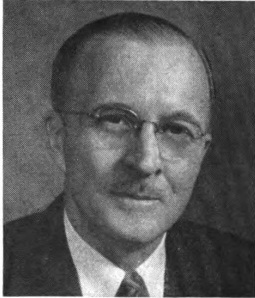
William Moore McCulloch
William Moore McCulloch (November 24, 1901 – February 22, 1980) was an American lawyer and politician who served as a Republican U.S. Representative for Ohio's 4th congressional district from 1947 to 1973.
McCulloch was born near Holmesville, Ohio on November 24, 1901 to James H. and Ida M. McCulloch. He graduated from the College of Wooster in Wooster, Ohio in 1923. He graduated from the college of law of Ohio State University at Columbus, Ohio, in 1925. He was admitted to the bar the same year and commenced practice in Piqua, Ohio with George Barry.
He was a member of the Ohio House of Representatives from 1933 to 1944, serving as minority leader from 1936 to 1939 and as speaker from 1939 to 1944. During his tenure in the House of Representatives, the black population in Piqua was 2.7% and a majority of his constituents were white conservatives, yet he began supporting equal rights and the NAACP identifying the Civil Rights movement with its goals of constitutional rights.
He served in the United States Army from December 26, 1943, to October 12, 1945. During his tenure in the Army, he served as a captain in the Military Government Forces in Europe.
McCulloch was elected as a Republican to the Eightieth Congress, by special election, on November 4, 1947, to fill the vacancy caused by the resignation of Robert Franklin Jones. He was re-elected to twelve consecutive Congresses. During his time in office, the 4th Ohio Congressional District included the counties of Allen, Hardin, Mercer, Auglaize, Darke, Shelby, Miami, Preble and a part of Montgomery and he won 65-70 percent of the votes in each election. He was a fiscal conservative and would return the unused office allowance to the U.S. Treasury at the end of each term.
In 1959 he became the ranking Republican on the House Judiciary Committee until his retirement in 1973. He also held seats on the Joint Committee on Atomic Energy, the Joint Committee on Immigration and National Policy, and the Select Committee on Small Business. In 1967, President Lyndon B. Johnson appointed him to the National Advisory Commission on Civil Disorders and in 1968 the Presidential Commission on the Causes and Prevention of Violence (Eisenhower Commission).
As the ranking member of the House of Representatives Judiciary Committee, William McCulloch took a leading role in the civil rights movement. His introduction of a comprehensive civil rights bill in 1963, for example, together with representatives John Lindsay of New York and Charles Mathias of Maryland, put pressure on President John F. Kennedy to present his own act to Congress several months later. He had few African-American constituents and so had few votes to gain from introducing or supporting civil rights legislation. McCulloch's influence with the Civil Rights Act led President John F. Kennedy to declare, "Without him it can't be done." McCulloch was recognized by Kennedy's successor, Lyndon B. Johnson, under whom the act was passed, as "the most important and powerful political force" in passing the Act.
Todd Purdum, in his history of the Civil Rights Era, An Idea Whose Time Has Come, said in an interview:
Hub AI
William Moore McCulloch AI simulator
(@William Moore McCulloch_simulator)
William Moore McCulloch
William Moore McCulloch (November 24, 1901 – February 22, 1980) was an American lawyer and politician who served as a Republican U.S. Representative for Ohio's 4th congressional district from 1947 to 1973.
McCulloch was born near Holmesville, Ohio on November 24, 1901 to James H. and Ida M. McCulloch. He graduated from the College of Wooster in Wooster, Ohio in 1923. He graduated from the college of law of Ohio State University at Columbus, Ohio, in 1925. He was admitted to the bar the same year and commenced practice in Piqua, Ohio with George Barry.
He was a member of the Ohio House of Representatives from 1933 to 1944, serving as minority leader from 1936 to 1939 and as speaker from 1939 to 1944. During his tenure in the House of Representatives, the black population in Piqua was 2.7% and a majority of his constituents were white conservatives, yet he began supporting equal rights and the NAACP identifying the Civil Rights movement with its goals of constitutional rights.
He served in the United States Army from December 26, 1943, to October 12, 1945. During his tenure in the Army, he served as a captain in the Military Government Forces in Europe.
McCulloch was elected as a Republican to the Eightieth Congress, by special election, on November 4, 1947, to fill the vacancy caused by the resignation of Robert Franklin Jones. He was re-elected to twelve consecutive Congresses. During his time in office, the 4th Ohio Congressional District included the counties of Allen, Hardin, Mercer, Auglaize, Darke, Shelby, Miami, Preble and a part of Montgomery and he won 65-70 percent of the votes in each election. He was a fiscal conservative and would return the unused office allowance to the U.S. Treasury at the end of each term.
In 1959 he became the ranking Republican on the House Judiciary Committee until his retirement in 1973. He also held seats on the Joint Committee on Atomic Energy, the Joint Committee on Immigration and National Policy, and the Select Committee on Small Business. In 1967, President Lyndon B. Johnson appointed him to the National Advisory Commission on Civil Disorders and in 1968 the Presidential Commission on the Causes and Prevention of Violence (Eisenhower Commission).
As the ranking member of the House of Representatives Judiciary Committee, William McCulloch took a leading role in the civil rights movement. His introduction of a comprehensive civil rights bill in 1963, for example, together with representatives John Lindsay of New York and Charles Mathias of Maryland, put pressure on President John F. Kennedy to present his own act to Congress several months later. He had few African-American constituents and so had few votes to gain from introducing or supporting civil rights legislation. McCulloch's influence with the Civil Rights Act led President John F. Kennedy to declare, "Without him it can't be done." McCulloch was recognized by Kennedy's successor, Lyndon B. Johnson, under whom the act was passed, as "the most important and powerful political force" in passing the Act.
Todd Purdum, in his history of the Civil Rights Era, An Idea Whose Time Has Come, said in an interview: