
Recent from talks
William Wilberforce
Knowledge base stats:
Talk channels stats:
Members stats:
William Wilberforce
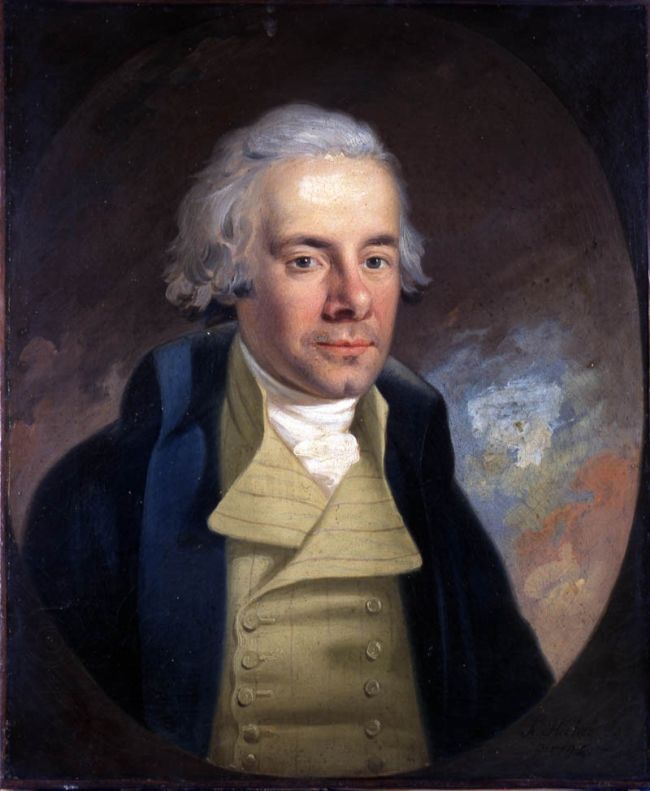
William Wilberforce (24 August 1759 – 29 July 1833) was a British politician, philanthropist, and a leader of the movement to abolish the Atlantic slave trade. A native of Kingston upon Hull, Yorkshire, he began his political career in 1780, and became an independent Member of Parliament (MP) for Yorkshire (1784–1812). In 1785, he underwent a conversion experience and became an evangelical Anglican, which resulted in major changes to his lifestyle and a lifelong concern for reform.
In 1787, Wilberforce came into contact with Thomas Clarkson and a group of activists against the transatlantic slave trade, including Granville Sharp, Hannah More and Charles Middleton. They persuaded Wilberforce to take on the cause of abolition, and he became a leading English abolitionist. He headed the parliamentary campaign against the British slave trade for 20 years until the passage of the Slave Trade Act 1807.
Wilberforce was convinced of the importance of religion, morality and education. He championed causes and campaigns such as the Society for the Suppression of Vice, British missionary work in India, the creation of a free colony in Sierra Leone, the foundation of the Church Mission Society and the Society for the Prevention of Cruelty to Animals. His underlying conservatism led him to support politically and socially repressive legislation, and resulted in criticism that he was ignoring injustices at home while campaigning for the enslaved abroad.
In later years, Wilberforce supported the campaign for the complete abolition of slavery and continued his involvement after 1826, when he resigned from Parliament because of his failing health. That campaign led to the Slavery Abolition Act 1833, which abolished slavery in most of the British Empire. Wilberforce died just three days after hearing that the passage of the act through Parliament was assured. He was buried in Westminster Abbey, close to his friend William Pitt the Younger.
Wilberforce was born in Hull, in Yorkshire, England, on 24 August 1759. He was the only son of Robert Wilberforce, a wealthy merchant, and his wife, Elizabeth Bird. His grandfather, William, had made the family fortune in the maritime trade with Baltic countries. He was twice elected mayor of Hull.
Wilberforce was a small, sickly child with poor eyesight. In 1767, he began attending Hull Grammar School, which at the time was headed by Joseph Milner, who would become a lifelong friend. Wilberforce profited from the supportive atmosphere at the school, until his father died in 1768. With his mother struggling to cope, the nine-year-old Wilberforce was sent to a prosperous uncle and aunt with houses in both St James's Place, London, and Wimbledon. He attended an "indifferent" boarding school in Putney for two years and spent his holidays in Wimbledon, where he grew extremely fond of his relatives. He became interested in evangelical Christianity due to his relatives' influence, especially that of his aunt Hannah, sister of the wealthy merchant John Thornton, a philanthropist and a supporter of the leading Methodist preacher, George Whitefield.
Wilberforce's staunchly Church of England mother and grandfather, alarmed at these nonconformist influences and at his leanings towards evangelicalism, brought the 12-year-old boy back to Hull in 1771. Wilberforce was heartbroken at being separated from his aunt and uncle. His family opposed a return to Hull Grammar School because the headmaster had become a Methodist, and Wilberforce continued his education at Pocklington School from 1771 to 1776. Influenced by Methodist scruples, he initially resisted Hull's lively social life, but, as his religious fervour diminished, he embraced theatre-going, attended balls, and played cards.
In October 1776, at the age of seventeen, Wilberforce went up to St John's College, Cambridge. The deaths of his grandfather and uncle, in 1774 and 1777 respectively, had left him independently wealthy and as a result he had little inclination or need to apply himself to serious study. Instead he immersed himself in the social round of student life and pursued a hedonistic lifestyle, enjoying cards, gambling and late-night drinking sessions – although he found the excesses of some of his fellow students distasteful. Witty, generous and an excellent conversationalist, Wilberforce was a popular figure. He made many friends, including the more studious future Prime Minister William Pitt. Despite his lifestyle and lack of interest in studying, he managed to pass his examinations and was awarded a Bachelor of Arts degree in 1781 and a Master of Arts degree in 1788.
Hub AI
William Wilberforce AI simulator
(@William Wilberforce_simulator)
William Wilberforce
William Wilberforce (24 August 1759 – 29 July 1833) was a British politician, philanthropist, and a leader of the movement to abolish the Atlantic slave trade. A native of Kingston upon Hull, Yorkshire, he began his political career in 1780, and became an independent Member of Parliament (MP) for Yorkshire (1784–1812). In 1785, he underwent a conversion experience and became an evangelical Anglican, which resulted in major changes to his lifestyle and a lifelong concern for reform.
In 1787, Wilberforce came into contact with Thomas Clarkson and a group of activists against the transatlantic slave trade, including Granville Sharp, Hannah More and Charles Middleton. They persuaded Wilberforce to take on the cause of abolition, and he became a leading English abolitionist. He headed the parliamentary campaign against the British slave trade for 20 years until the passage of the Slave Trade Act 1807.
Wilberforce was convinced of the importance of religion, morality and education. He championed causes and campaigns such as the Society for the Suppression of Vice, British missionary work in India, the creation of a free colony in Sierra Leone, the foundation of the Church Mission Society and the Society for the Prevention of Cruelty to Animals. His underlying conservatism led him to support politically and socially repressive legislation, and resulted in criticism that he was ignoring injustices at home while campaigning for the enslaved abroad.
In later years, Wilberforce supported the campaign for the complete abolition of slavery and continued his involvement after 1826, when he resigned from Parliament because of his failing health. That campaign led to the Slavery Abolition Act 1833, which abolished slavery in most of the British Empire. Wilberforce died just three days after hearing that the passage of the act through Parliament was assured. He was buried in Westminster Abbey, close to his friend William Pitt the Younger.
Wilberforce was born in Hull, in Yorkshire, England, on 24 August 1759. He was the only son of Robert Wilberforce, a wealthy merchant, and his wife, Elizabeth Bird. His grandfather, William, had made the family fortune in the maritime trade with Baltic countries. He was twice elected mayor of Hull.
Wilberforce was a small, sickly child with poor eyesight. In 1767, he began attending Hull Grammar School, which at the time was headed by Joseph Milner, who would become a lifelong friend. Wilberforce profited from the supportive atmosphere at the school, until his father died in 1768. With his mother struggling to cope, the nine-year-old Wilberforce was sent to a prosperous uncle and aunt with houses in both St James's Place, London, and Wimbledon. He attended an "indifferent" boarding school in Putney for two years and spent his holidays in Wimbledon, where he grew extremely fond of his relatives. He became interested in evangelical Christianity due to his relatives' influence, especially that of his aunt Hannah, sister of the wealthy merchant John Thornton, a philanthropist and a supporter of the leading Methodist preacher, George Whitefield.
Wilberforce's staunchly Church of England mother and grandfather, alarmed at these nonconformist influences and at his leanings towards evangelicalism, brought the 12-year-old boy back to Hull in 1771. Wilberforce was heartbroken at being separated from his aunt and uncle. His family opposed a return to Hull Grammar School because the headmaster had become a Methodist, and Wilberforce continued his education at Pocklington School from 1771 to 1776. Influenced by Methodist scruples, he initially resisted Hull's lively social life, but, as his religious fervour diminished, he embraced theatre-going, attended balls, and played cards.
In October 1776, at the age of seventeen, Wilberforce went up to St John's College, Cambridge. The deaths of his grandfather and uncle, in 1774 and 1777 respectively, had left him independently wealthy and as a result he had little inclination or need to apply himself to serious study. Instead he immersed himself in the social round of student life and pursued a hedonistic lifestyle, enjoying cards, gambling and late-night drinking sessions – although he found the excesses of some of his fellow students distasteful. Witty, generous and an excellent conversationalist, Wilberforce was a popular figure. He made many friends, including the more studious future Prime Minister William Pitt. Despite his lifestyle and lack of interest in studying, he managed to pass his examinations and was awarded a Bachelor of Arts degree in 1781 and a Master of Arts degree in 1788.
Recent media