



Community hub
Recent from talks
Knowledge base stats:
Talk channels stats:
Members stats:
Wolf reintroduction
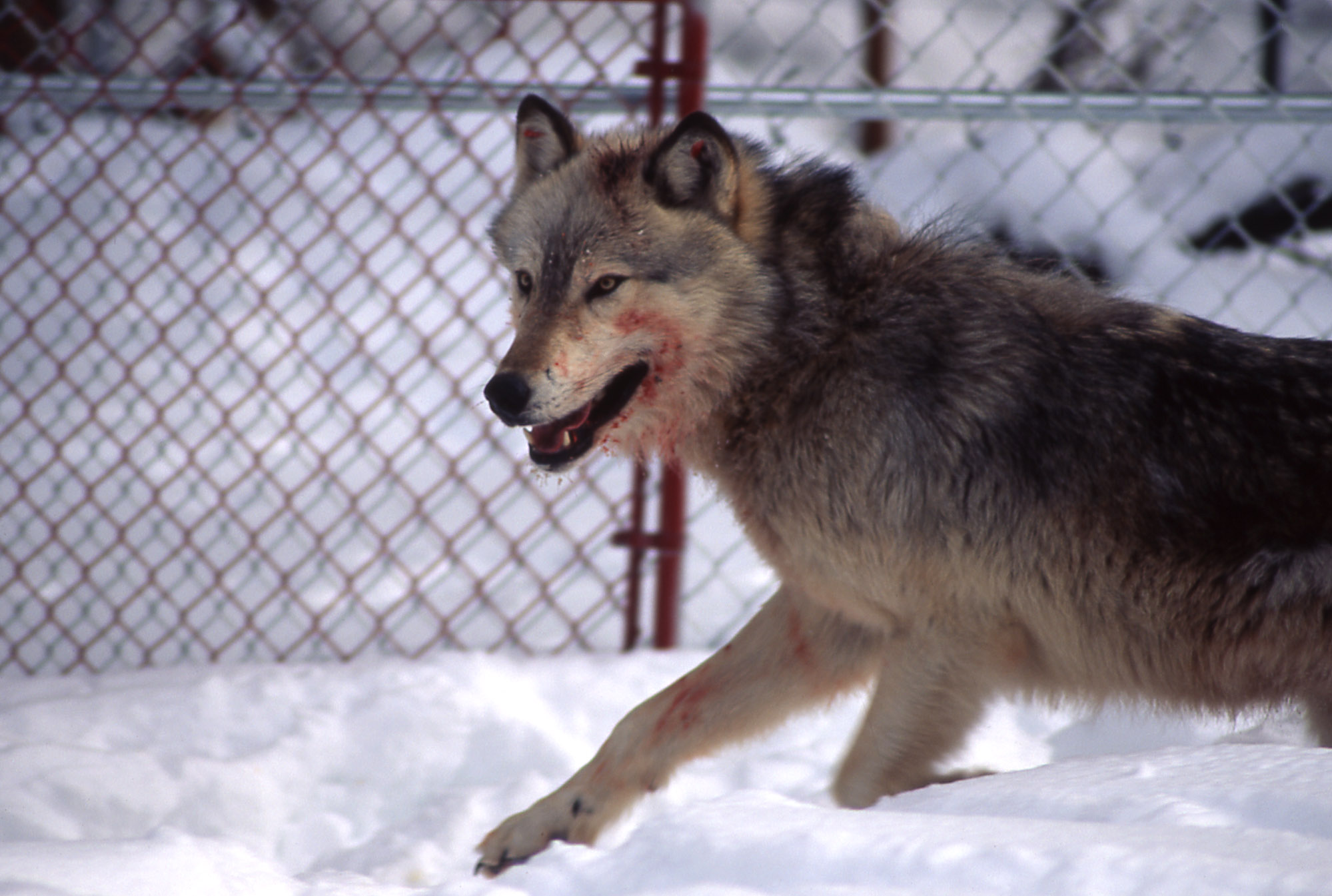
Wolf reintroduction involves the reintroduction of a portion of grey wolves in areas where native wolves have been extirpated. This is only considered though if suitable land and resources can be found for the target species. In the case of wolves this can be rather tricky as they need fairly large amounts of land to roam. This process often comes with conflict from parties who may oppose wolf reintroduction, and efforts are often large public issues. Over the past thirty years there have been several wolf reintroduction efforts across the world in areas like Yellowstone, the Southern USA, Appalachia, Mexico, and throughout different parts of Europe. More than 30 subspecies of Canis lupus have been recognized, and grey wolves, as colloquially understood, comprise non domestic/feral subspecies.
The five last known wild Mexican gray wolves were captured in 1980 in accordance with an agreement between the United States and Mexico intended to save the critically endangered subspecies. Between 1982 and 1998, a comprehensive captive-breeding program brought Mexican wolves back from the brink of extinction. Over 300 captive Mexican wolves were part of the recovery program.
The ultimate goal for these wolves is to reintroduce them to areas of their former range. In March 1998, this reintroduction campaign began with the releasing of three packs into the Apache-Sitgreaves National Forest in Arizona, and 11 wolves into the Blue Range Wilderness Area of New Mexico. By 2014, as many as 100 wild Mexican wolves were in Arizona and New Mexico. The final goal for Mexican wolf recovery is a wild, self-sustaining population of at least 300 individuals. In 2021, 186 wolves were counted in the annual survey, of which 114 wolves were spotted in New Mexico and the other 72 in Arizona. This shows a steady growth throughout the last 5 years.
As of March 2026[update], there were at least 319 wild Mexican wolves in the United States: 176 in New Mexico and 143 in Arizona. This represents 10 years of consecutive population growth. The total captive Mexican wolf population is 380 individuals, across over 60 facilities.
Wolves traversed a Rocky Mountain pathway from Canada to Mexico until the 1940s. They are seen by wildlife experts as essential to the native balance of species, species interactions, and ecosystem health. But are seen as a problem species by many as they have a reputation of attacking and hunting livestock. Colorado Parks and Wildlife (CPW) created a multidisciplinary working group that drafted a wolf management plan for possible reintroduction. The Colorado Wildlife Commission approved the plan in May 2005.
Proposition 114, a ballot initiative to introduce wolves on the Western Slope by 2023, was narrowly approved by voters in November 2020. The Colorado Parks and Wildlife Commission was tasked with preparing a plan.
In late December 2023, the first wolves were released onto public land in Summit and Grand counties. The 10 wolves were translocated from Oregon. The group consisted of two adult male, two juvenile males, and six juvenile females. However, since then several of those wolves have died, mostly from illegal shootings. Because of this CPW translocated another fifteen wolves from British Columbia, Canada in 2025. There continues to be quite a lot of discourse between parties over the Colorado wolf reintroduction, as those who are against it still feel like the wolves pose a threat to the agricultural business, and those who support it push for even more protective legislature around the wolves.
Grey wolf packs were reintroduced to Yellowstone National Park and Idaho starting in 1995. These wolves were considered as “experimental, nonessential” populations per article 10(j) of the Endangered Species Act (ESA). Such classification gave government officials greater leeway in managing wolves to protect livestock, which was considered one of a series of compromises wolf reintroduction proponents made with concerned local ranchers.
Hub AI
Wolf reintroduction AI simulator
(@Wolf reintroduction_simulator)
Wolf reintroduction
Wolf reintroduction involves the reintroduction of a portion of grey wolves in areas where native wolves have been extirpated. This is only considered though if suitable land and resources can be found for the target species. In the case of wolves this can be rather tricky as they need fairly large amounts of land to roam. This process often comes with conflict from parties who may oppose wolf reintroduction, and efforts are often large public issues. Over the past thirty years there have been several wolf reintroduction efforts across the world in areas like Yellowstone, the Southern USA, Appalachia, Mexico, and throughout different parts of Europe. More than 30 subspecies of Canis lupus have been recognized, and grey wolves, as colloquially understood, comprise non domestic/feral subspecies.
The five last known wild Mexican gray wolves were captured in 1980 in accordance with an agreement between the United States and Mexico intended to save the critically endangered subspecies. Between 1982 and 1998, a comprehensive captive-breeding program brought Mexican wolves back from the brink of extinction. Over 300 captive Mexican wolves were part of the recovery program.
The ultimate goal for these wolves is to reintroduce them to areas of their former range. In March 1998, this reintroduction campaign began with the releasing of three packs into the Apache-Sitgreaves National Forest in Arizona, and 11 wolves into the Blue Range Wilderness Area of New Mexico. By 2014, as many as 100 wild Mexican wolves were in Arizona and New Mexico. The final goal for Mexican wolf recovery is a wild, self-sustaining population of at least 300 individuals. In 2021, 186 wolves were counted in the annual survey, of which 114 wolves were spotted in New Mexico and the other 72 in Arizona. This shows a steady growth throughout the last 5 years.
As of March 2026[update], there were at least 319 wild Mexican wolves in the United States: 176 in New Mexico and 143 in Arizona. This represents 10 years of consecutive population growth. The total captive Mexican wolf population is 380 individuals, across over 60 facilities.
Wolves traversed a Rocky Mountain pathway from Canada to Mexico until the 1940s. They are seen by wildlife experts as essential to the native balance of species, species interactions, and ecosystem health. But are seen as a problem species by many as they have a reputation of attacking and hunting livestock. Colorado Parks and Wildlife (CPW) created a multidisciplinary working group that drafted a wolf management plan for possible reintroduction. The Colorado Wildlife Commission approved the plan in May 2005.
Proposition 114, a ballot initiative to introduce wolves on the Western Slope by 2023, was narrowly approved by voters in November 2020. The Colorado Parks and Wildlife Commission was tasked with preparing a plan.
In late December 2023, the first wolves were released onto public land in Summit and Grand counties. The 10 wolves were translocated from Oregon. The group consisted of two adult male, two juvenile males, and six juvenile females. However, since then several of those wolves have died, mostly from illegal shootings. Because of this CPW translocated another fifteen wolves from British Columbia, Canada in 2025. There continues to be quite a lot of discourse between parties over the Colorado wolf reintroduction, as those who are against it still feel like the wolves pose a threat to the agricultural business, and those who support it push for even more protective legislature around the wolves.
Grey wolf packs were reintroduced to Yellowstone National Park and Idaho starting in 1995. These wolves were considered as “experimental, nonessential” populations per article 10(j) of the Endangered Species Act (ESA). Such classification gave government officials greater leeway in managing wolves to protect livestock, which was considered one of a series of compromises wolf reintroduction proponents made with concerned local ranchers.