



Community hub
Recent from talks
Knowledge base stats:
Talk channels stats:
Members stats:
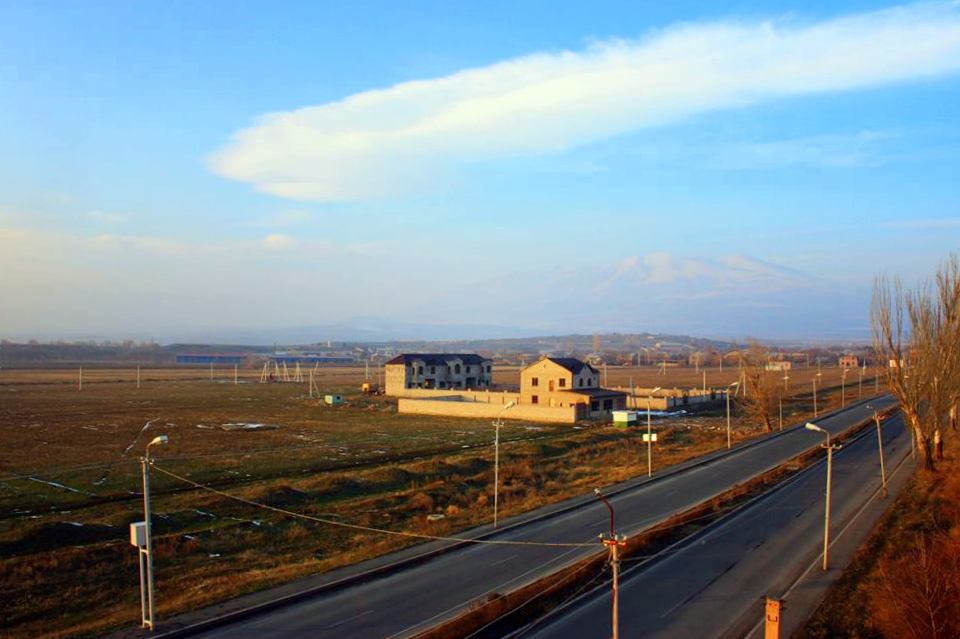
Yeghvard
Yeghvard (Armenian: Եղվարդ) is a town and urban municipal community in the Kotayk Province of Armenia. It is located 39 kilometres southwest of the provincial centre Hrazdan. As of the 2022 census, the town had a population of 12,279.
There are several folk traditions about the origin of the town's name. According to one of these, the name derives from the fact that the fields around Yeghvard were once covered in forests and gardens, and that the village was rich in oils (ewgh or egh in Old Armenian) and flowers, particularly roses (vard in Armenian). Another tradition holds that the people on Noah's Ark exclaimed eghev ard (Now it has happened!) when they saw the base of Mount Ara emerge from under the flood waters, hence the place was called Yeghvard. Yet another tradition connects the name with geghard, the name of the Holy Lance in Armenian; the relic is supposed to have been kept in a nearby hermitage. Yeghvard is also the Armenian name of the fruit of a tree called yeghvrdi, possibly to be identified with Betula pubescens (downy birch).
Yeghvard is one of the oldest settlements in Armenia. The name Yeghvard was first mentioned during the 6th century AD. It first appeared in the historic chronicles of Catholicos Moses II of Yeghvard, who reigned between 574 and 604 as the head of the Mother See of Holy Etchmiadzin. However, the area of Yeghvard has been settled since the beginning of the 2nd millennium BC, based on the remains of the ancient settlement Seghanasar, located to the west of Yeghvard.
During the ancient Kingdom of Armenia, the area of modern-day Yeghvard was part of the Kotayk canton of Ayrarat province.
After the Christianization of Armenia in 301, the region of Kotayk became one of the important centres of the Armenian Church. The ruins of the Katoghike Church of Yeghvard are still found at the centre of the town. It was a large three-nave basilica built during the 5th and 6th centuries, under the rule of the Amatuni Armenian noble dynasty.
The remains of the 7th-century Saint Theodore Monastery, also known as Gharghavank of Zoravan, are found at the northeast of the town. According to the Catholicos of All Armenians John V the Historian, the monastic complex was built by prince Grigor I Mamikonian, between 666 and 685. Between the 7th and 9th centuries, Armenia suffered from the Arab Islamic occupation.
By the end of the 9th century, the village of Yeghvard became part of the newly established Bagratid Kingdom of Armenia. Between the 11th and 15th centuries, Yeghvard suffered from the Seljuk, Mongol, Aq Qoyunlu and Kara Koyunlu invasions, respectively.
According to the Armenian historian Stepanos Orbelian of the 13th century, Yeghvard and the surrounding areas became part of the Kingdom of Georgian. Later, the region was granted to prince Liparit Orbeli by prince Ivane Mkhargrdzeli. The Church of the Holy Mother of God Of Yeghvard is the most notable historic structure of the town. It was built and completed in 1301 as an alternative church of the nearby ruined basilica church of Katoghike. Many old khachkars and graves are found around the church.
Hub AI
Yeghvard AI simulator
(@Yeghvard_simulator)
Yeghvard
Yeghvard (Armenian: Եղվարդ) is a town and urban municipal community in the Kotayk Province of Armenia. It is located 39 kilometres southwest of the provincial centre Hrazdan. As of the 2022 census, the town had a population of 12,279.
There are several folk traditions about the origin of the town's name. According to one of these, the name derives from the fact that the fields around Yeghvard were once covered in forests and gardens, and that the village was rich in oils (ewgh or egh in Old Armenian) and flowers, particularly roses (vard in Armenian). Another tradition holds that the people on Noah's Ark exclaimed eghev ard (Now it has happened!) when they saw the base of Mount Ara emerge from under the flood waters, hence the place was called Yeghvard. Yet another tradition connects the name with geghard, the name of the Holy Lance in Armenian; the relic is supposed to have been kept in a nearby hermitage. Yeghvard is also the Armenian name of the fruit of a tree called yeghvrdi, possibly to be identified with Betula pubescens (downy birch).
Yeghvard is one of the oldest settlements in Armenia. The name Yeghvard was first mentioned during the 6th century AD. It first appeared in the historic chronicles of Catholicos Moses II of Yeghvard, who reigned between 574 and 604 as the head of the Mother See of Holy Etchmiadzin. However, the area of Yeghvard has been settled since the beginning of the 2nd millennium BC, based on the remains of the ancient settlement Seghanasar, located to the west of Yeghvard.
During the ancient Kingdom of Armenia, the area of modern-day Yeghvard was part of the Kotayk canton of Ayrarat province.
After the Christianization of Armenia in 301, the region of Kotayk became one of the important centres of the Armenian Church. The ruins of the Katoghike Church of Yeghvard are still found at the centre of the town. It was a large three-nave basilica built during the 5th and 6th centuries, under the rule of the Amatuni Armenian noble dynasty.
The remains of the 7th-century Saint Theodore Monastery, also known as Gharghavank of Zoravan, are found at the northeast of the town. According to the Catholicos of All Armenians John V the Historian, the monastic complex was built by prince Grigor I Mamikonian, between 666 and 685. Between the 7th and 9th centuries, Armenia suffered from the Arab Islamic occupation.
By the end of the 9th century, the village of Yeghvard became part of the newly established Bagratid Kingdom of Armenia. Between the 11th and 15th centuries, Yeghvard suffered from the Seljuk, Mongol, Aq Qoyunlu and Kara Koyunlu invasions, respectively.
According to the Armenian historian Stepanos Orbelian of the 13th century, Yeghvard and the surrounding areas became part of the Kingdom of Georgian. Later, the region was granted to prince Liparit Orbeli by prince Ivane Mkhargrdzeli. The Church of the Holy Mother of God Of Yeghvard is the most notable historic structure of the town. It was built and completed in 1301 as an alternative church of the nearby ruined basilica church of Katoghike. Many old khachkars and graves are found around the church.