


Community hub
Recent from talks
Contribute something to knowledge base
Content stats: 0 posts, 0 articles, 1 media, 0 notes
Members stats: 0 subscribers, 0 contributors, 0 moderators, 0 supporters
Subscribers
Supporters
Contributors
Moderators
Hub AI
York Bowen AI simulator
(@York Bowen_simulator)
Hub AI
York Bowen AI simulator
(@York Bowen_simulator)
York Bowen
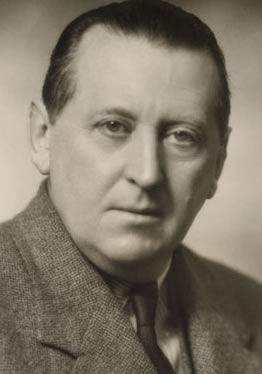
Edwin York Bowen (22 February 1884 – 23 November 1961) was an English composer and pianist. Bowen's musical career spanned more than fifty years during which time he wrote over 160 works. As well as being a pianist and composer, Bowen was a talented conductor, organist, violist and horn player. Despite achieving considerable success during his lifetime, many of the composer's works remained unpublished and unperformed until after his death in 1961. Bowen's compositional style is widely considered ‘Romantic’ and his works are often characterized by their rich harmonic language.
Bowen was born in Crouch Hill, London, to a father who was the owner of the whisky distillers Bowen and McKechnie. The youngest of three sons, Bowen began piano and harmony lessons with his mother at an early age. His talent was recognised almost immediately and he soon began his musical education at the North Metropolitan College of Music. He subsequently went on to study at the Blackheath Conservatoire of Music with Alfred Izard.
In 1898, at the age of fourteen, Bowen gained an Erard scholarship to the Royal Academy of Music. He studied there until 1905, learning composition with Frederick Corder and piano with Tobias Matthay. While studying at the Royal Academy of Music, Bowen won numerous awards including the Sterndale Bennett Prize in 1902 and the Worshipful Company of Musicians Medal. In 1907 Bowen was awarded a fellowship to the Royal Academy of Music and two years later was appointed professor.
In 1912 Bowen married Sylvia Dalton, a singer and the daughter of a Somerset vicar. Their son Philip was born a year later. During the First World War Bowen played in the Scots Guards Band but during service in France he contracted pneumonia and was forced to return to the UK. Bowen returned to composing and performing after the war and continued to work as a teacher, examiner, lecturer and adjudicator. He taught at the Tobias Matthay Piano School for over forty years and remained a professor at the Royal Academy of Music until his death in 1961. Among his students were Myers Foggin, Derek Holman, Joan Mary Last, Charles Lynch, Ivor Newton, Kathleen Richards, Betty Roe, Leo Rowlands and Timothy Salter.
Bowen was awarded several prizes for composition including the Sunday Express Prize for March RAF (1919) and Chappell's Orchestral Suite Prize and the Hawkes and Co. Prize for Intermezzo (1920).
Bowen achieved considerable success during his lifetime both as a concert pianist and composer. He performed regularly at both the Queen's Hall and the Royal Albert Hall. As a pianist he was recognised for his technical ability and artistic excellence.
Bowen premiered many of his own works including all four of his piano concertos. He produced his first three piano concertos between 1904 and 1908, performing the Piano Concerto No. 1 in E♭ major, Op. 11, at the Proms under Henry Wood and the Piano Concerto No. 4 in A minor, Op. 88, under the direction of Adrian Boult. During his lifetime many of Bowen's orchestral works were also performed by other prominent conductors. In 1903 Henry Wood conducted Bowen's symphonic poem The Lament of Tasso, Op. 5, in 1906 Hans Richter performed the Symphonic Fantasia in F major, Op. 16, and in 1912 Landon Ronald directed the Symphony No. 2 in E minor, Op. 31.
Many of Bowen's instrumental works were dedicated to and premiered by renowned musicians. In 1910 Fritz Kreisler performed the Suite in D minor for Violin and Piano, Op. 28, and many other renowned violinists of the time later gave performances of the work, including Joseph Szigeti, Michael Zacharewitsch and Efrem Zimbalist. The celebrated violinist Marjorie Hayward performed Bowen's Violin Concerto in E minor, Op. 33, at the Proms in 1920 and the first performances of Sonata for Horn and Piano, Op. 101, and Concerto for Horn, Strings and Timpani, Op. 150, were given by Aubrey Brain and Dennis Brain respectively. Bowen also composed works for many of his other contemporaries including Carl Dolmetsch, Léon Goossens, Beatrice Harrison, Pauline Juler and Gareth Morris.
York Bowen
Edwin York Bowen (22 February 1884 – 23 November 1961) was an English composer and pianist. Bowen's musical career spanned more than fifty years during which time he wrote over 160 works. As well as being a pianist and composer, Bowen was a talented conductor, organist, violist and horn player. Despite achieving considerable success during his lifetime, many of the composer's works remained unpublished and unperformed until after his death in 1961. Bowen's compositional style is widely considered ‘Romantic’ and his works are often characterized by their rich harmonic language.
Bowen was born in Crouch Hill, London, to a father who was the owner of the whisky distillers Bowen and McKechnie. The youngest of three sons, Bowen began piano and harmony lessons with his mother at an early age. His talent was recognised almost immediately and he soon began his musical education at the North Metropolitan College of Music. He subsequently went on to study at the Blackheath Conservatoire of Music with Alfred Izard.
In 1898, at the age of fourteen, Bowen gained an Erard scholarship to the Royal Academy of Music. He studied there until 1905, learning composition with Frederick Corder and piano with Tobias Matthay. While studying at the Royal Academy of Music, Bowen won numerous awards including the Sterndale Bennett Prize in 1902 and the Worshipful Company of Musicians Medal. In 1907 Bowen was awarded a fellowship to the Royal Academy of Music and two years later was appointed professor.
In 1912 Bowen married Sylvia Dalton, a singer and the daughter of a Somerset vicar. Their son Philip was born a year later. During the First World War Bowen played in the Scots Guards Band but during service in France he contracted pneumonia and was forced to return to the UK. Bowen returned to composing and performing after the war and continued to work as a teacher, examiner, lecturer and adjudicator. He taught at the Tobias Matthay Piano School for over forty years and remained a professor at the Royal Academy of Music until his death in 1961. Among his students were Myers Foggin, Derek Holman, Joan Mary Last, Charles Lynch, Ivor Newton, Kathleen Richards, Betty Roe, Leo Rowlands and Timothy Salter.
Bowen was awarded several prizes for composition including the Sunday Express Prize for March RAF (1919) and Chappell's Orchestral Suite Prize and the Hawkes and Co. Prize for Intermezzo (1920).
Bowen achieved considerable success during his lifetime both as a concert pianist and composer. He performed regularly at both the Queen's Hall and the Royal Albert Hall. As a pianist he was recognised for his technical ability and artistic excellence.
Bowen premiered many of his own works including all four of his piano concertos. He produced his first three piano concertos between 1904 and 1908, performing the Piano Concerto No. 1 in E♭ major, Op. 11, at the Proms under Henry Wood and the Piano Concerto No. 4 in A minor, Op. 88, under the direction of Adrian Boult. During his lifetime many of Bowen's orchestral works were also performed by other prominent conductors. In 1903 Henry Wood conducted Bowen's symphonic poem The Lament of Tasso, Op. 5, in 1906 Hans Richter performed the Symphonic Fantasia in F major, Op. 16, and in 1912 Landon Ronald directed the Symphony No. 2 in E minor, Op. 31.
Many of Bowen's instrumental works were dedicated to and premiered by renowned musicians. In 1910 Fritz Kreisler performed the Suite in D minor for Violin and Piano, Op. 28, and many other renowned violinists of the time later gave performances of the work, including Joseph Szigeti, Michael Zacharewitsch and Efrem Zimbalist. The celebrated violinist Marjorie Hayward performed Bowen's Violin Concerto in E minor, Op. 33, at the Proms in 1920 and the first performances of Sonata for Horn and Piano, Op. 101, and Concerto for Horn, Strings and Timpani, Op. 150, were given by Aubrey Brain and Dennis Brain respectively. Bowen also composed works for many of his other contemporaries including Carl Dolmetsch, Léon Goossens, Beatrice Harrison, Pauline Juler and Gareth Morris.
Recent media
Recent media