
Recent from talks
Yu Qiuli
Knowledge base stats:
Talk channels stats:
Members stats:
Yu Qiuli
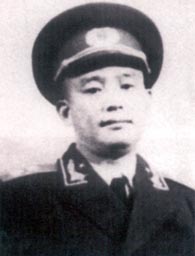
Yu Qiuli (Chinese: 余秋里; pinyin: Yú Qiūlǐ; 15 November 1914 – 3 February 1999) was a Chinese Communist army officer and politician, general of the People's Liberation Army. A veteran of the Long March, he held top military and government positions under both Mao Zedong and Deng Xiaoping and is considered the founding father of the Chinese petroleum industry and the China National Petroleum Corporation.
Following military service as a senior commander and political commissar in the Second Sino–Japanese War and the Chinese Civil War, Yu then served as Minister of the Petroleum Industry (1958–1966), Chairman of the State Planning Commission (1970–1980), Vice Premier (1975–1982), and Deputy Secretary-General of the Central Military Commission as well as Director of the PLA General Political Department (in effect, responsible for ensuring the political loyalty of the entire PLA) from 1982 to 1987.
Yu was born in Ji'an, Jiangxi, in 1914, three years after the collapse of China's last imperial dynasty, into a poor peasant family. By the age of 14 he had taken part in a peasant uprising. At 16 he joined the Chinese Communist Party. Yu was among the tens of thousands of guerrillas and their supporters who from 1934 joined the Long March in an effort to break through the Kuomintang blockades around the Communist base in the south. In 1936, he was injured in the arm during a skirmish with pursuing nationalist forces. He continued on the journey north over treacherous terrain. Nine months later, after he had completed a journey of thousands of miles in terrible pain, his arm was amputated. "I am a man who has gone through nine deaths," Yu told the American journalist Harrison Salisbury in 1984.
From November 1936 to August 1937, he received advanced military and political training at the Counter-Japanese Military and Political University.
During the Second Sino-Japanese War of 1937–1945, he served as Director of the Political Department of the 358th Brigade and in the subsequent Chinese Civil War, as Commander and Political Commissar of the 1st Division of the 1st Field Army, he played a leading role in the capture of Qinghai.
After the Communist victory in 1949, Yu Qiuli was transferred to the Southwest, serving as a member of the Standing Committee of the Party Committee of the Western Sichuan District of the CCP and as the Principal and Political Commissar of the Senior Infantry School. In December 1954, he was called to Beijing and was named Director of the General Finance Department of the PLA, holding that position until early 1957, when he became Director of the PLA General Logistics Department. In September 1955, he was awarded the rank of lieutenant general.
In February 1958, he became the Second Minister for the Petroleum Industry, and decided to focus on oilfield exploration. He replaced Li Jukui in this role, a change made at the recommendation of Peng Dehaui. This move thrust him into a far more prominent role in the Communist government. In the following year, the discovery of huge oil reserves in Daqing in the desolate wastes of north-eastern China gave him a mission for which he is much remembered. Yu became the leader of the so-called "Petroleum Group" of officials which promoted the Daqing model of industrialization.
Yu was in charge of the development of the Daqing oil field. During its 1960 construction as part of the Great Leap Forward, Yu mobilized workers building the Daqing oil field through ideological motivation instead of material incentives, focusing enthusiasm, energy, and resources to complete a rapid industrialization project. Yu read Mao Zedong's writing to workers, urging them to engage in the hard labor at hand out of commitment to the building of Chinese socialism. In April 1960, Yu stated that Mao's texts On Contradiction and with On Practice would be the ideological core of the campaign to develop the oil field. The Petroleum Ministry shipped thousands of copies by plane so that every Daqing oil worker would have copies and for work units to each set up their own study groups.
Hub AI
Yu Qiuli AI simulator
(@Yu Qiuli_simulator)
Yu Qiuli
Yu Qiuli (Chinese: 余秋里; pinyin: Yú Qiūlǐ; 15 November 1914 – 3 February 1999) was a Chinese Communist army officer and politician, general of the People's Liberation Army. A veteran of the Long March, he held top military and government positions under both Mao Zedong and Deng Xiaoping and is considered the founding father of the Chinese petroleum industry and the China National Petroleum Corporation.
Following military service as a senior commander and political commissar in the Second Sino–Japanese War and the Chinese Civil War, Yu then served as Minister of the Petroleum Industry (1958–1966), Chairman of the State Planning Commission (1970–1980), Vice Premier (1975–1982), and Deputy Secretary-General of the Central Military Commission as well as Director of the PLA General Political Department (in effect, responsible for ensuring the political loyalty of the entire PLA) from 1982 to 1987.
Yu was born in Ji'an, Jiangxi, in 1914, three years after the collapse of China's last imperial dynasty, into a poor peasant family. By the age of 14 he had taken part in a peasant uprising. At 16 he joined the Chinese Communist Party. Yu was among the tens of thousands of guerrillas and their supporters who from 1934 joined the Long March in an effort to break through the Kuomintang blockades around the Communist base in the south. In 1936, he was injured in the arm during a skirmish with pursuing nationalist forces. He continued on the journey north over treacherous terrain. Nine months later, after he had completed a journey of thousands of miles in terrible pain, his arm was amputated. "I am a man who has gone through nine deaths," Yu told the American journalist Harrison Salisbury in 1984.
From November 1936 to August 1937, he received advanced military and political training at the Counter-Japanese Military and Political University.
During the Second Sino-Japanese War of 1937–1945, he served as Director of the Political Department of the 358th Brigade and in the subsequent Chinese Civil War, as Commander and Political Commissar of the 1st Division of the 1st Field Army, he played a leading role in the capture of Qinghai.
After the Communist victory in 1949, Yu Qiuli was transferred to the Southwest, serving as a member of the Standing Committee of the Party Committee of the Western Sichuan District of the CCP and as the Principal and Political Commissar of the Senior Infantry School. In December 1954, he was called to Beijing and was named Director of the General Finance Department of the PLA, holding that position until early 1957, when he became Director of the PLA General Logistics Department. In September 1955, he was awarded the rank of lieutenant general.
In February 1958, he became the Second Minister for the Petroleum Industry, and decided to focus on oilfield exploration. He replaced Li Jukui in this role, a change made at the recommendation of Peng Dehaui. This move thrust him into a far more prominent role in the Communist government. In the following year, the discovery of huge oil reserves in Daqing in the desolate wastes of north-eastern China gave him a mission for which he is much remembered. Yu became the leader of the so-called "Petroleum Group" of officials which promoted the Daqing model of industrialization.
Yu was in charge of the development of the Daqing oil field. During its 1960 construction as part of the Great Leap Forward, Yu mobilized workers building the Daqing oil field through ideological motivation instead of material incentives, focusing enthusiasm, energy, and resources to complete a rapid industrialization project. Yu read Mao Zedong's writing to workers, urging them to engage in the hard labor at hand out of commitment to the building of Chinese socialism. In April 1960, Yu stated that Mao's texts On Contradiction and with On Practice would be the ideological core of the campaign to develop the oil field. The Petroleum Ministry shipped thousands of copies by plane so that every Daqing oil worker would have copies and for work units to each set up their own study groups.
Recent media