
Recent from talks
Zichan
Knowledge base stats:
Talk channels stats:
Members stats:
Zichan
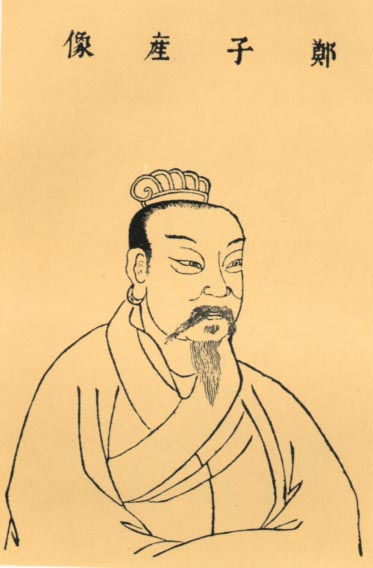
Zichan (WG: Tzu Ch'an) (traditional Chinese: 子產; simplified Chinese: 子产) (c. 581–522 BCE) was a Chinese statesman during the late Spring and Autumn period. From 543 BCE until his death in 522 BCE, he served as the chief minister of the State of Zheng. Also known as Gongsun Qiao (traditional Chinese: 公孫僑; simplified Chinese: 公孙侨, he is better known by his courtesy name Zichan.
As chief minister of Zheng, an important and centrally located state, Zichan faced aggression from powerful neighbours without and fractious domestic politics within. He was a political leader at a time when Chinese culture and society was enduring a centuries-long period of turbulence. Governing traditions had become unstable and malleable, institutions were being battered by chronic war, and new forms of state leadership were emerging but were sharply contested.
Under Zichan the Zheng state prospered. He introduced reforms with strengthened the state and met foreign threats. His statecraft was respected by his peers and reportedly appreciated by the people. Favourably treated in the Zuo Zhuan (an ancient text of history), Zichan drew comments from his near-contemporary Confucius, later from Mencius and Han Fei.
By its military defeat in 771 BCE, later historians divide the Zhou (c. 1045–221 BCE) into two periods: Western and Eastern, as Zhou moved its capital east over 500 km (310 mi). The dynasty not only never recovered, its regime steadily lost strength during the Spring and Autumn period (770–481 BCE). At its start the Zhou rulers deployed the fengjian system. Differing from feudal estates, in ancient China the patriarchal kinship relation formed the primary bond between the royal dynast and the local 'vassal'. Regular state ceremonies sacrificing for Zhou clan ancestors, made by both royals and vassal rulers, at first strengthened the fengjian system.
Duke Huan (r. 806–771) founded Zheng, being enfeoffed by his brother the Zhou King Xuan (r. 825–782). As close kin, to remain near Zhou's new royal lands, by 767 BCE Zheng state had also moved its capital east. Xinzheng was a walled city with a Grand Ancestral Temple, smaller clan temples, and a "great city gate" that led to the main thoroughfare (c. 600 BC); population estimated at 10,000 (up to 100,000). Strategically located, Zheng prospered through trade, at first fielding strong armies. Under Duke Zhuang (r. 743–701) Zheng in the Battle of Xuge (707) defeated the Zhou King's invasion. Due to his wide influence Duke Zhuang was compared to the Five Hegemons. In 673 BCE Zheng attacked the royal capital, killed the usurper, restoring the Zhou King. Its military becoming less effective against its larger state rivals, a vigorous Zheng nonetheless manoeuvred to survive frequent attacks.
During Zichan's youth, the reign of the figurehead Duke Jian of Zheng (r. 566–530) began. Political stability was precarious during the Eastern Zhou. The prior Duke of Zheng, Xi, had been killed by nobles in his ministry. Zichan as leader confronted such political turbulence, yet achieved major civic reforms benefitting the state and its people. Later, during the Warring States (480–221) Zheng state relapsed, when "the centre of the political stage was occupied by the competition between clans". That era's fierce warfare continued among the fewer states. Zheng state met its demise in 375 BCE.
Zichan was closely related to the hereditary sovereigns, the Dukes of Zheng state, hence also more distant kin of the royal Zhou. As a grandson of Zheng's formidable Duke Mu (r. 627–606), Zichan was also called Gongsun Qiao, "Ducal Grandson" Qiao. Zichan was a member of the clan of Guo, one of the Seven Houses of Zheng. Led by their nobility these various clans competed (at times, by internecine strife) for power and prestige. The Guo lineage was not among the strongest clans of Zheng. Zichan's ancestral surname was Ji, his personal name Ji Qiao.
In 565 BCE Zichan's father, Prince Guo (Ziguo), led a victorious campaign against the State of Cai. His military success, however, risked provoking the hostility of stronger neighbouring states, Jin to the north and Chu to the south. Yet the Zheng leadership appeared pleased. However Zichan, the teenage son of Ziguo, had a different view. He said a small state like Zheng should excel in civic virtue, not martial achievement, else it will have no peace. In response, Ziguo rebuked Zichan. Three years after the Cai victory, during a revolt by rival nobles of Zheng, Zichan's father Ziguo was assassinated.
Hub AI
Zichan AI simulator
(@Zichan_simulator)
Zichan
Zichan (WG: Tzu Ch'an) (traditional Chinese: 子產; simplified Chinese: 子产) (c. 581–522 BCE) was a Chinese statesman during the late Spring and Autumn period. From 543 BCE until his death in 522 BCE, he served as the chief minister of the State of Zheng. Also known as Gongsun Qiao (traditional Chinese: 公孫僑; simplified Chinese: 公孙侨, he is better known by his courtesy name Zichan.
As chief minister of Zheng, an important and centrally located state, Zichan faced aggression from powerful neighbours without and fractious domestic politics within. He was a political leader at a time when Chinese culture and society was enduring a centuries-long period of turbulence. Governing traditions had become unstable and malleable, institutions were being battered by chronic war, and new forms of state leadership were emerging but were sharply contested.
Under Zichan the Zheng state prospered. He introduced reforms with strengthened the state and met foreign threats. His statecraft was respected by his peers and reportedly appreciated by the people. Favourably treated in the Zuo Zhuan (an ancient text of history), Zichan drew comments from his near-contemporary Confucius, later from Mencius and Han Fei.
By its military defeat in 771 BCE, later historians divide the Zhou (c. 1045–221 BCE) into two periods: Western and Eastern, as Zhou moved its capital east over 500 km (310 mi). The dynasty not only never recovered, its regime steadily lost strength during the Spring and Autumn period (770–481 BCE). At its start the Zhou rulers deployed the fengjian system. Differing from feudal estates, in ancient China the patriarchal kinship relation formed the primary bond between the royal dynast and the local 'vassal'. Regular state ceremonies sacrificing for Zhou clan ancestors, made by both royals and vassal rulers, at first strengthened the fengjian system.
Duke Huan (r. 806–771) founded Zheng, being enfeoffed by his brother the Zhou King Xuan (r. 825–782). As close kin, to remain near Zhou's new royal lands, by 767 BCE Zheng state had also moved its capital east. Xinzheng was a walled city with a Grand Ancestral Temple, smaller clan temples, and a "great city gate" that led to the main thoroughfare (c. 600 BC); population estimated at 10,000 (up to 100,000). Strategically located, Zheng prospered through trade, at first fielding strong armies. Under Duke Zhuang (r. 743–701) Zheng in the Battle of Xuge (707) defeated the Zhou King's invasion. Due to his wide influence Duke Zhuang was compared to the Five Hegemons. In 673 BCE Zheng attacked the royal capital, killed the usurper, restoring the Zhou King. Its military becoming less effective against its larger state rivals, a vigorous Zheng nonetheless manoeuvred to survive frequent attacks.
During Zichan's youth, the reign of the figurehead Duke Jian of Zheng (r. 566–530) began. Political stability was precarious during the Eastern Zhou. The prior Duke of Zheng, Xi, had been killed by nobles in his ministry. Zichan as leader confronted such political turbulence, yet achieved major civic reforms benefitting the state and its people. Later, during the Warring States (480–221) Zheng state relapsed, when "the centre of the political stage was occupied by the competition between clans". That era's fierce warfare continued among the fewer states. Zheng state met its demise in 375 BCE.
Zichan was closely related to the hereditary sovereigns, the Dukes of Zheng state, hence also more distant kin of the royal Zhou. As a grandson of Zheng's formidable Duke Mu (r. 627–606), Zichan was also called Gongsun Qiao, "Ducal Grandson" Qiao. Zichan was a member of the clan of Guo, one of the Seven Houses of Zheng. Led by their nobility these various clans competed (at times, by internecine strife) for power and prestige. The Guo lineage was not among the strongest clans of Zheng. Zichan's ancestral surname was Ji, his personal name Ji Qiao.
In 565 BCE Zichan's father, Prince Guo (Ziguo), led a victorious campaign against the State of Cai. His military success, however, risked provoking the hostility of stronger neighbouring states, Jin to the north and Chu to the south. Yet the Zheng leadership appeared pleased. However Zichan, the teenage son of Ziguo, had a different view. He said a small state like Zheng should excel in civic virtue, not martial achievement, else it will have no peace. In response, Ziguo rebuked Zichan. Three years after the Cai victory, during a revolt by rival nobles of Zheng, Zichan's father Ziguo was assassinated.
Recent media