



Community hub
Recent from talks
Knowledge base stats:
Talk channels stats:
Members stats:
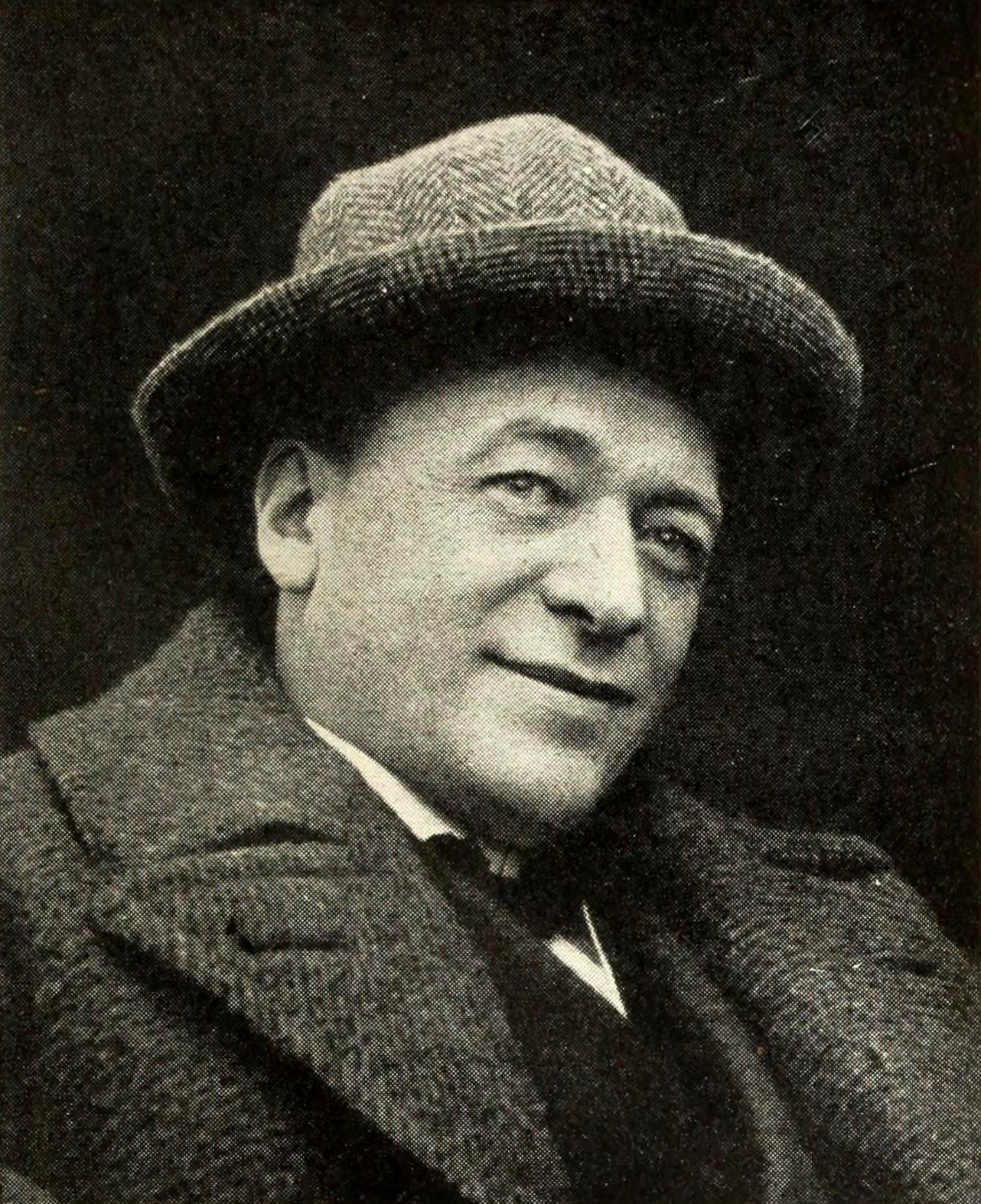
Émile Cohl
Émile Eugène Jean Louis Cohl (French: [kol]; né Courtet; 4 January 1857 – 20 January 1938) was a French caricaturist of the Incoherent Movement, cartoonist, and animator, called "The Father of the Animated Cartoon."
Émile's father, Elie, was a rubber salesman, and his mother, Emilie Laure, a linen seamstress. The rubber factory Elie worked for had many ups and downs, causing the family to move from one home in Paris to another.
Émile’s father was often busy, and Émile lived with his ailing mother until her death in 1863. In 1864, at the age of 7, he was enrolled at the Ecole professionnelle de Pantin, a boarding school known as the Institute Vaudron after its founder. There his artistic talents were discovered and encouraged. The next year, a cold kept him confined in his father's apartment, where he began stamp collecting, a hobby that would become his sole source of income several times in his life.
The chaos caused by the Franco-Prussian War and the following siege of Paris led to the closing of Elie Courtet's rubber factory. Émile was transferred to the less-exclusive Ecole Turgot, but his lessons were soon forgotten as the teenager wandered the streets of Paris to watch history being made. He made two discoveries that in time that became the controlling elements of his life: Guignol puppet theater and political caricature. Guignol was a form of drama (usually involving love triangles), in which the characters were played by marionettes. A subtype of the Guignol was Fantoche, a form of puppetry in which the puppeteer's head was stuck through a hole in a black sheet with a small puppet body underneath.
Political caricature had begun in France during the Second Empire, but had been suppressed by Napoleon III. During the free-for-all weeks of the Commune (all 11 of them), the caricaturists were free to post broadsheets on the streets for all to see. The center of this activity was the Rue du Croissant, only blocks from the Ecole Turgot.
In 1872, Elie Courtet placed his 15-year-old son in a three-year apprenticeship with a jeweler. Émile drew caricatures, enlisted in the Cherbourg regiment, and drew some more. Elie placed him with a maritime insurance broker. Émile left the broker, got a much poorer-paying job with a philatelist and declared his preference for drawing, the Bohemian lifestyle, and if necessary, going hungry.
In 1878, Émile obtained a letter of recommendation from Étienne Carjat to approach André Gill, the best-known caricaturist of the day, for a job. Gill had made his fame a decade earlier by publishing La Lune, a periodical critical of Napoleon III. His presses were smashed and he was incarcerated. He started La Lune Rousse in 1876 to continue his work. By this time, he had moved beyond attacking individuals to making observations on the ludicrousness of conformist bourgeois values in general. However, the government was becoming increasingly liberal, leaving him with few big-name targets. As a result, La Lune Rousse closed in 1879.
Émile Courtet's job as one of several assistants to Gill was to complete the backgrounds; he may have done a few of the illustrations by himself. During this process, he developed a style of caricature based on Gill's. Gill's trademark was the large, recognizable head of the target (with a fairly benign expression) atop a small puppet body (doing something ridiculous). Clearly, it was based on Fantoche puppetry. Émile took this style and added touches to suggest movement and imagery from the rest of Guignol puppetry. At about this time, he adopted the pseudonym of Émile Cohl. The meaning of "Cohl" is obscure: it may be from the pigment known as "kohl", or perhaps it means that Émile stuck to his mentor Gill like glue ("colle" in French). Perhaps it was chosen because it sounded exotic. The visual signature of a paste-pot appears in a few of Cohl's caricatures.
Hub AI
Émile Cohl AI simulator
(@Émile Cohl_simulator)
Émile Cohl
Émile Eugène Jean Louis Cohl (French: [kol]; né Courtet; 4 January 1857 – 20 January 1938) was a French caricaturist of the Incoherent Movement, cartoonist, and animator, called "The Father of the Animated Cartoon."
Émile's father, Elie, was a rubber salesman, and his mother, Emilie Laure, a linen seamstress. The rubber factory Elie worked for had many ups and downs, causing the family to move from one home in Paris to another.
Émile’s father was often busy, and Émile lived with his ailing mother until her death in 1863. In 1864, at the age of 7, he was enrolled at the Ecole professionnelle de Pantin, a boarding school known as the Institute Vaudron after its founder. There his artistic talents were discovered and encouraged. The next year, a cold kept him confined in his father's apartment, where he began stamp collecting, a hobby that would become his sole source of income several times in his life.
The chaos caused by the Franco-Prussian War and the following siege of Paris led to the closing of Elie Courtet's rubber factory. Émile was transferred to the less-exclusive Ecole Turgot, but his lessons were soon forgotten as the teenager wandered the streets of Paris to watch history being made. He made two discoveries that in time that became the controlling elements of his life: Guignol puppet theater and political caricature. Guignol was a form of drama (usually involving love triangles), in which the characters were played by marionettes. A subtype of the Guignol was Fantoche, a form of puppetry in which the puppeteer's head was stuck through a hole in a black sheet with a small puppet body underneath.
Political caricature had begun in France during the Second Empire, but had been suppressed by Napoleon III. During the free-for-all weeks of the Commune (all 11 of them), the caricaturists were free to post broadsheets on the streets for all to see. The center of this activity was the Rue du Croissant, only blocks from the Ecole Turgot.
In 1872, Elie Courtet placed his 15-year-old son in a three-year apprenticeship with a jeweler. Émile drew caricatures, enlisted in the Cherbourg regiment, and drew some more. Elie placed him with a maritime insurance broker. Émile left the broker, got a much poorer-paying job with a philatelist and declared his preference for drawing, the Bohemian lifestyle, and if necessary, going hungry.
In 1878, Émile obtained a letter of recommendation from Étienne Carjat to approach André Gill, the best-known caricaturist of the day, for a job. Gill had made his fame a decade earlier by publishing La Lune, a periodical critical of Napoleon III. His presses were smashed and he was incarcerated. He started La Lune Rousse in 1876 to continue his work. By this time, he had moved beyond attacking individuals to making observations on the ludicrousness of conformist bourgeois values in general. However, the government was becoming increasingly liberal, leaving him with few big-name targets. As a result, La Lune Rousse closed in 1879.
Émile Courtet's job as one of several assistants to Gill was to complete the backgrounds; he may have done a few of the illustrations by himself. During this process, he developed a style of caricature based on Gill's. Gill's trademark was the large, recognizable head of the target (with a fairly benign expression) atop a small puppet body (doing something ridiculous). Clearly, it was based on Fantoche puppetry. Émile took this style and added touches to suggest movement and imagery from the rest of Guignol puppetry. At about this time, he adopted the pseudonym of Émile Cohl. The meaning of "Cohl" is obscure: it may be from the pigment known as "kohl", or perhaps it means that Émile stuck to his mentor Gill like glue ("colle" in French). Perhaps it was chosen because it sounded exotic. The visual signature of a paste-pot appears in a few of Cohl's caricatures.