



Community hub
Recent from talks
Knowledge base stats:
Talk channels stats:
Members stats:
1973 Flores cyclone
The 1973 Flores cyclone was the deadliest known tropical cyclone in the Southern Hemisphere. The cyclone formed in the Banda Sea on 26 April as a tropical low. It intensified as it moved in a west-southwest direction, before shifting to the south. Early on 29 April, the cyclone peaked as a Category 3 storm on the Australian tropical cyclone intensity scale with 10-minute sustained winds of 150 km/h (90 mph) and a pressure of 950mb (28.05 inHg), before striking the north coast of the island of Flores, dissipating the following day.
The cyclone killed 1,650 to 1,653 people, including 1,500 fishermen on Palu'e island alone, and resulted in losses of around $5 million (USD). The cyclone dropped heavy rainfall across Flores, causing deadly flash flooding that damaged buildings and roads, destroying or damaging thousands of houses. Additionally, on 29 April, a Portuguese ship travelling from Portuguese Timor to Thailand capsized in the Flores Sea, leaving one survivor. Authorities in Jakarta received news of the disaster in Flores a month after the cyclone's passage, with the ship's sinking officially confirmed on 28 May.
There is no recorded data of the unnamed cyclone in the Tropical Cyclone Warning Center of the Meteorology, Climatology, and Geophysical Agency. However, Australia's Bureau of Meteorology has records of the cyclone.
On 26 April, a tropical low formed in the Banda Sea in the waters of eastern Indonesia. According to Australia's Bureau of Meteorology (BoM), the low moved to the west-southwest and intensified, although this was based on a later analysis. As the storm was outside of the agency's jurisdiction, the BoM did not issue warnings on the system at the time. The low attained gale-force winds late on 27 April as it moved into the Flores Sea. Late the next day, the storm turned southwestward.
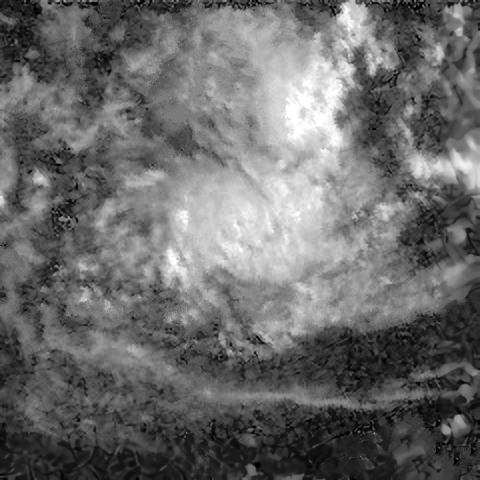
The BoM estimated that the storm reached peak intensity early on 29 April, assessing it as a Category 3 on the Australian tropical cyclone intensity scale, with 10-minute maximum sustained winds of 150 km/h (90 mph) and a minimum central pressure of 950mb (28.05 inHg). While near peak intensity, the small tropical cyclone had its eye embedded within a central dense overcast, 295 km (185 mi) in diameter. The cyclone's eye was also evident on an infrared satellite image at 0140 UTC. The cyclone made landfall on the northern coast of the Indonesian island of Flores at around 09:00 WITA with maximum sustained winds of 120 km/h (75 mph) and a pressure of 975 millibars (28.79 inHg). After crossing the island, the cyclone dissipated on 30 April near Flores' southern coast.
No warnings were issued as the cyclone was not in Australia's area of responsibility. Additionally, until an eye was visible prior to the cyclone's landfall in Flores, forecasters were uncertain of the cyclone's existence due to limited observations.
Manufactured in 1963, O Arbiru was a Portuguese-flagged government cargo vessel that was used to transport necessities to Portuguese Timor via Bangkok. The ship was on its way to Bangkok, Thailand, to requisition rice supplies and had left Dili, Portuguese Timor, on 28 April. On 29 April, while in the Flores Sea, the cyclone capsized the ship. Only crew member Paulo do Rosário survived. He was reportedly found clinging to a piece of wood and was taken to a remote part of Flores, "Bone Rata Island", by local fishermen where he was cared for. Air-sea search and rescues failed to locate more survivors, with Australian coastal radio stations alerting ships entering the Flores Sea to search for survivors. The sinking was officially announced on 28 May.
In total, the cyclone killed 1,650 to 1,653 people. On Palu'e island alone, the cyclone killed 1,500 fishermen who were fishing at the time of the cyclone's landfall. The storm lashed the coast with a storm surge that broke tens of meters inland, which newspapers described as a "tidal wave". In Ngada Regency, 24 people drowned after being swept away by high waves. Another 10 people were killed in Manggarai Regency, and another 10 in Maumere. Reports described Ngada to be the worst hit area. For three days, the storm dropped heavy rainfall across Flores, which produced deadly landslides and flash flooding that washed away rice fields, livestock, and entire homes. The cyclone wrecked schools, homes, dams, and bridges. The storm also wrecked government buildings, with heavy damage reported in the regional capital of Ende. Roads in the capital were also damaged by the tidal waves. Around 1,800 houses were levelled with others being badly damaged. Boats that were in the path of the cyclone were destroyed. A Kompas report from June 1973 stated that plantations on the island were destroyed with paddy fields being "ruined". In Paluʼe, 1,300 houses were destroyed, representing 80% of houses on the island. Smaller islands around Flores were described as being destroyed.
Hub AI
1973 Flores cyclone AI simulator
(@1973 Flores cyclone_simulator)
1973 Flores cyclone
The 1973 Flores cyclone was the deadliest known tropical cyclone in the Southern Hemisphere. The cyclone formed in the Banda Sea on 26 April as a tropical low. It intensified as it moved in a west-southwest direction, before shifting to the south. Early on 29 April, the cyclone peaked as a Category 3 storm on the Australian tropical cyclone intensity scale with 10-minute sustained winds of 150 km/h (90 mph) and a pressure of 950mb (28.05 inHg), before striking the north coast of the island of Flores, dissipating the following day.
The cyclone killed 1,650 to 1,653 people, including 1,500 fishermen on Palu'e island alone, and resulted in losses of around $5 million (USD). The cyclone dropped heavy rainfall across Flores, causing deadly flash flooding that damaged buildings and roads, destroying or damaging thousands of houses. Additionally, on 29 April, a Portuguese ship travelling from Portuguese Timor to Thailand capsized in the Flores Sea, leaving one survivor. Authorities in Jakarta received news of the disaster in Flores a month after the cyclone's passage, with the ship's sinking officially confirmed on 28 May.
There is no recorded data of the unnamed cyclone in the Tropical Cyclone Warning Center of the Meteorology, Climatology, and Geophysical Agency. However, Australia's Bureau of Meteorology has records of the cyclone.
On 26 April, a tropical low formed in the Banda Sea in the waters of eastern Indonesia. According to Australia's Bureau of Meteorology (BoM), the low moved to the west-southwest and intensified, although this was based on a later analysis. As the storm was outside of the agency's jurisdiction, the BoM did not issue warnings on the system at the time. The low attained gale-force winds late on 27 April as it moved into the Flores Sea. Late the next day, the storm turned southwestward.
The BoM estimated that the storm reached peak intensity early on 29 April, assessing it as a Category 3 on the Australian tropical cyclone intensity scale, with 10-minute maximum sustained winds of 150 km/h (90 mph) and a minimum central pressure of 950mb (28.05 inHg). While near peak intensity, the small tropical cyclone had its eye embedded within a central dense overcast, 295 km (185 mi) in diameter. The cyclone's eye was also evident on an infrared satellite image at 0140 UTC. The cyclone made landfall on the northern coast of the Indonesian island of Flores at around 09:00 WITA with maximum sustained winds of 120 km/h (75 mph) and a pressure of 975 millibars (28.79 inHg). After crossing the island, the cyclone dissipated on 30 April near Flores' southern coast.
No warnings were issued as the cyclone was not in Australia's area of responsibility. Additionally, until an eye was visible prior to the cyclone's landfall in Flores, forecasters were uncertain of the cyclone's existence due to limited observations.
Manufactured in 1963, O Arbiru was a Portuguese-flagged government cargo vessel that was used to transport necessities to Portuguese Timor via Bangkok. The ship was on its way to Bangkok, Thailand, to requisition rice supplies and had left Dili, Portuguese Timor, on 28 April. On 29 April, while in the Flores Sea, the cyclone capsized the ship. Only crew member Paulo do Rosário survived. He was reportedly found clinging to a piece of wood and was taken to a remote part of Flores, "Bone Rata Island", by local fishermen where he was cared for. Air-sea search and rescues failed to locate more survivors, with Australian coastal radio stations alerting ships entering the Flores Sea to search for survivors. The sinking was officially announced on 28 May.
In total, the cyclone killed 1,650 to 1,653 people. On Palu'e island alone, the cyclone killed 1,500 fishermen who were fishing at the time of the cyclone's landfall. The storm lashed the coast with a storm surge that broke tens of meters inland, which newspapers described as a "tidal wave". In Ngada Regency, 24 people drowned after being swept away by high waves. Another 10 people were killed in Manggarai Regency, and another 10 in Maumere. Reports described Ngada to be the worst hit area. For three days, the storm dropped heavy rainfall across Flores, which produced deadly landslides and flash flooding that washed away rice fields, livestock, and entire homes. The cyclone wrecked schools, homes, dams, and bridges. The storm also wrecked government buildings, with heavy damage reported in the regional capital of Ende. Roads in the capital were also damaged by the tidal waves. Around 1,800 houses were levelled with others being badly damaged. Boats that were in the path of the cyclone were destroyed. A Kompas report from June 1973 stated that plantations on the island were destroyed with paddy fields being "ruined". In Paluʼe, 1,300 houses were destroyed, representing 80% of houses on the island. Smaller islands around Flores were described as being destroyed.