
Recent from talks
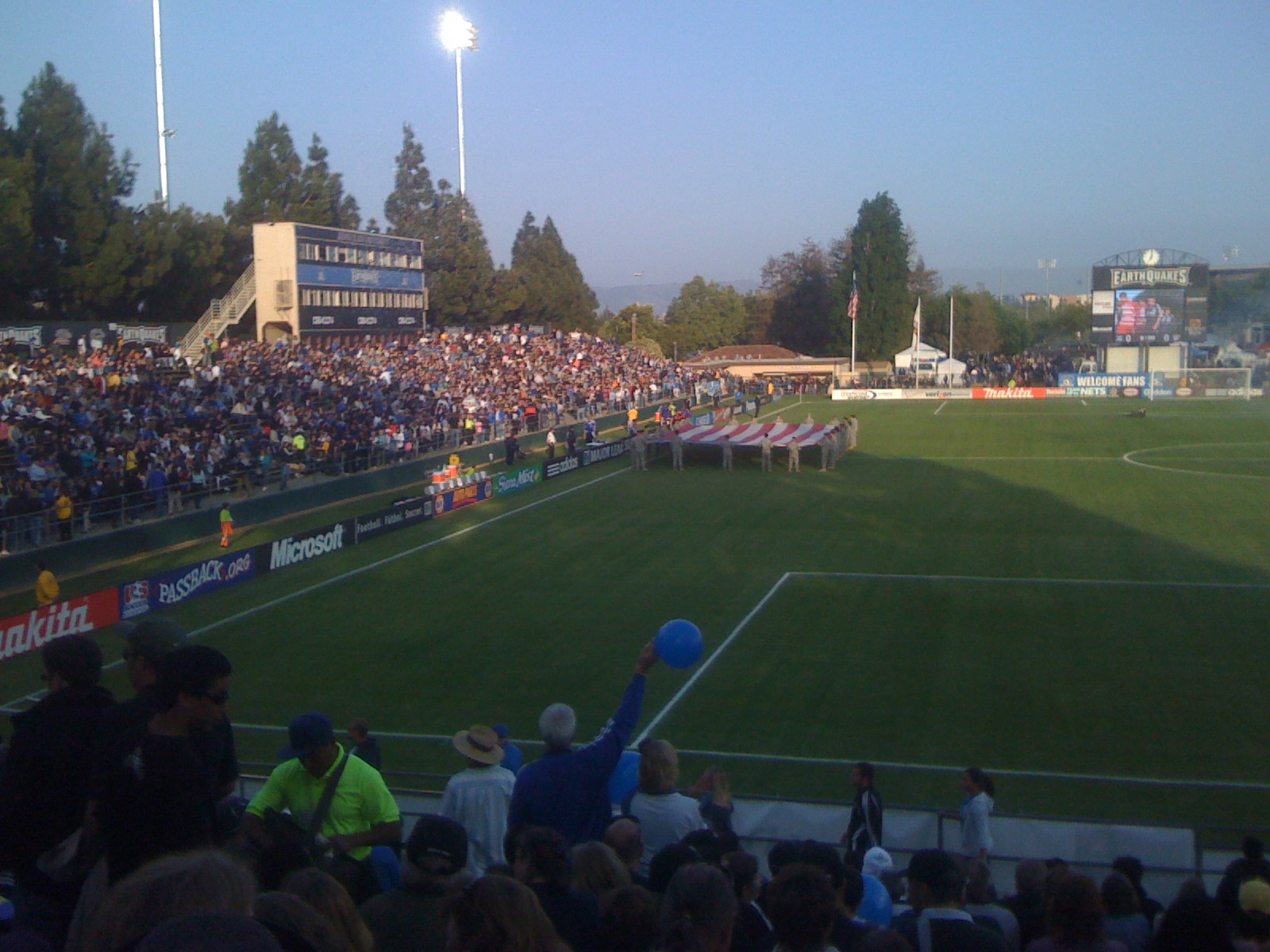
1981 World Games
Knowledge base stats:
Talk channels stats:
Members stats:
1981 World Games
The 1981 World Games were the first World Games, an international multi-sport event, and were held in Santa Clara, California, United States. The games featured sports that were not included in the Olympics, including tug-of-war, racquetball, baseball and softball, artistic roller skating, roller hockey, roller speed skating, finswimming, karate, women's water polo, bowling, bodybuilding, waterskiing, casting, badminton, trampoline, powerlifting and taekwondo. Best estimates for attendance figures were that about 80,000 spectators witnessed the first World Games.
The World Games Council was formed independently of the International Olympic Committee (IOC) and adopted policies designed to avoid problems that had plagued the Olympic Games for several decades. For example, construction of new facilities was not required or encouraged. Any flags displayed at ceremonies and Games sites were limited to the flags of the participating sports federations. No national anthems were played nor national flags displayed. Athletes entered the opening ceremonies grouped by sport under individual federation banners rather than by country. Athletes also were housed according to sport. The respective sport federations paid for each athlete's housing, food and airfare.
The decision to stage World Games I was finalized in January, 1981. The organizing efforts were seriously set back when the Games' promotions agency, Global Sports Management of New York, pulled out in the final months. "It's a humble beginning to what we think is going to be a hard-earned, but successful and regularly-held international event. It's a miracle it is taking place at all," said World Games I promotions and sales coordinator Kent Hertenrath.
Kim Un-yong, president of the World Games executive committee, opened the Games with a brief address. “Our theme is sport for the sake of sport and a total disregard for where an athlete comes from,” said Kim. Casey Conrad, executive director of the President’s Council on Physical Fitness, represented U.S. President Ronald Reagan, who had survived an assassination attempt four months earlier, in greeting the athletes. Governor of California Jerry Brown had planned to attend the opening ceremonies. But that summer, when Mediterranean fruit flies were discovered in the Santa Clara Valley, Brown withdrew to focus on emergency eradication efforts.
The Soviet Union had been invited to send athletes but, in the aftermath of the boycotted 1980 Summer Olympics in Moscow, instead worked to prevent the competition from ever occurring. An event-day official of the casting governing body said that it had located the casting venue on land, which was preferred by the Eastern Bloc nations, instead of on water, as was the usual practice, in a failed effort to encourage their participation (personal communication, August 1, 1981). Games secretary-general Don Porter said that some of the problems encountered in the first World Games were created by the International Olympic Committee, especially the Eastern Bloc countries. Porter said that the national Olympic committees of these countries, as well as the IOC, had intensely pressured the World Games. He stated, “I think the International Olympic Committee is very concerned about World Games. We’re not competing with the Olympic Games. We support the Olympic movement.”
In fact, the World Games were organized to welcome both Olympic and non-Olympic sports. The sport governing bodies that were members of the World Games Council desired to be accepted eventually into the Olympic Games. Looking to the future, the Council sought to rule out the potential for the IOC to deny a sport’s Olympic acceptance based on an exclusion of the Olympic sports from the World Games program. Therefore, the World Games Council encouraged the participation of the sport federations of the Olympic Games.
Indeed, the Olympic sport of boxing was to have been contested in these games and was featured on organizers' promotional materials. However, AIBA withdrew the sport from the program in the weeks before the opening of the games because of IOC disapproval. Don Porter stated that, according to the president of AIBA, Don Hall, the IOC threatened to exclude boxing from the 1984 Los Angeles Olympics if AIBA participated in the World Games.
In the morning after the close of these Games, U.S. air traffic controllers went on a nationwide strike, leaving some athletes temporarily stranded.
Hub AI
1981 World Games AI simulator
(@1981 World Games_simulator)
1981 World Games
The 1981 World Games were the first World Games, an international multi-sport event, and were held in Santa Clara, California, United States. The games featured sports that were not included in the Olympics, including tug-of-war, racquetball, baseball and softball, artistic roller skating, roller hockey, roller speed skating, finswimming, karate, women's water polo, bowling, bodybuilding, waterskiing, casting, badminton, trampoline, powerlifting and taekwondo. Best estimates for attendance figures were that about 80,000 spectators witnessed the first World Games.
The World Games Council was formed independently of the International Olympic Committee (IOC) and adopted policies designed to avoid problems that had plagued the Olympic Games for several decades. For example, construction of new facilities was not required or encouraged. Any flags displayed at ceremonies and Games sites were limited to the flags of the participating sports federations. No national anthems were played nor national flags displayed. Athletes entered the opening ceremonies grouped by sport under individual federation banners rather than by country. Athletes also were housed according to sport. The respective sport federations paid for each athlete's housing, food and airfare.
The decision to stage World Games I was finalized in January, 1981. The organizing efforts were seriously set back when the Games' promotions agency, Global Sports Management of New York, pulled out in the final months. "It's a humble beginning to what we think is going to be a hard-earned, but successful and regularly-held international event. It's a miracle it is taking place at all," said World Games I promotions and sales coordinator Kent Hertenrath.
Kim Un-yong, president of the World Games executive committee, opened the Games with a brief address. “Our theme is sport for the sake of sport and a total disregard for where an athlete comes from,” said Kim. Casey Conrad, executive director of the President’s Council on Physical Fitness, represented U.S. President Ronald Reagan, who had survived an assassination attempt four months earlier, in greeting the athletes. Governor of California Jerry Brown had planned to attend the opening ceremonies. But that summer, when Mediterranean fruit flies were discovered in the Santa Clara Valley, Brown withdrew to focus on emergency eradication efforts.
The Soviet Union had been invited to send athletes but, in the aftermath of the boycotted 1980 Summer Olympics in Moscow, instead worked to prevent the competition from ever occurring. An event-day official of the casting governing body said that it had located the casting venue on land, which was preferred by the Eastern Bloc nations, instead of on water, as was the usual practice, in a failed effort to encourage their participation (personal communication, August 1, 1981). Games secretary-general Don Porter said that some of the problems encountered in the first World Games were created by the International Olympic Committee, especially the Eastern Bloc countries. Porter said that the national Olympic committees of these countries, as well as the IOC, had intensely pressured the World Games. He stated, “I think the International Olympic Committee is very concerned about World Games. We’re not competing with the Olympic Games. We support the Olympic movement.”
In fact, the World Games were organized to welcome both Olympic and non-Olympic sports. The sport governing bodies that were members of the World Games Council desired to be accepted eventually into the Olympic Games. Looking to the future, the Council sought to rule out the potential for the IOC to deny a sport’s Olympic acceptance based on an exclusion of the Olympic sports from the World Games program. Therefore, the World Games Council encouraged the participation of the sport federations of the Olympic Games.
Indeed, the Olympic sport of boxing was to have been contested in these games and was featured on organizers' promotional materials. However, AIBA withdrew the sport from the program in the weeks before the opening of the games because of IOC disapproval. Don Porter stated that, according to the president of AIBA, Don Hall, the IOC threatened to exclude boxing from the 1984 Los Angeles Olympics if AIBA participated in the World Games.
In the morning after the close of these Games, U.S. air traffic controllers went on a nationwide strike, leaving some athletes temporarily stranded.
Recent media