



Community hub
Recent from talks
Knowledge base stats:
Talk channels stats:
Members stats:
25th Attack Group
The 25th Attack Group is an active United States Air Force unit, stationed at Shaw Air Force Base, South Carolina. It was activated in February 2018 as a geographically separate unit to operate unmanned aerial vehicles and is assigned to the 432d Wing, which is located at Creech Air Force Base, Nevada. As of 2020, the group manages five General Atomics MQ-9 Reaper attack squadrons, as well as the 25th Operations Support Squadron, which provides intelligence, weather, and administrative support.
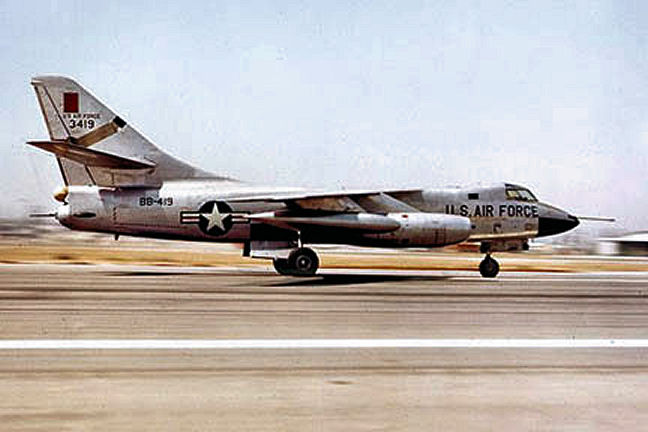
The 25th Tactical Reconnaissance Wing was last active in 1966 at Chambley Air Base, France as an element of United States Air Forces Europe. The wing replaced the 25th Tactical Reconnaissance Group at Chambley. The group was formed in 1965 by the consolidation of the 25th Bombardment Group (Medium) and the 25th Bombardment Group, Reconnaissance.
The first 25th Bombardment Group performed anti-submarine warfare missions in the Caribbean Sea following the entry of the United States into World War II. This group was disbanded in 1944 after the threat of German U-boats lessened. Later in 1944 the second 25th Bombardment Group was organized to perform weather and special reconnaissance missions from England during World War II for United States Strategic Air Forces over Europe and the Atlantic approaches to the British Isles. In 1985 the wing and group were consolidated.
Although the 25th Attack Group is headquartered at Shaw Air Force Base, the group comprises six squadrons in various locations:
The first predecessor of the wing was the 25th Bombardment Group, which was activated at Langley Field, Virginia during the buildup of the Air Corps prior to the entry of the United States into World War II, with the 10th, 12th, and 35th Bombardment Squadrons as its original components. Most of the cadre for the group was drawn from the 2d Bombardment Group at Langley. Although initially designated as a heavy bomber unit, the group trained with Northrop A-17 light bombers and Douglas B-18 Bolo medium bombers (although the 10th Squadron briefly had a few Boeing B-17 Flying Fortresses on hand).
In late October 1940, the 25th sailed on the USAT Hunter Liggett for Borinquen Field, Puerto Rico, along with the newly-organized 13th Composite Wing. Upon their arrival in Puerto Rico on 1 November, the group was assigned to the 13th Wing and had the 27th Reconnaissance Squadron, which had been at Borinquen since 1939, attached to it from the Puerto Rican Department. In April 1941, the group provided the initial cadre for the 40th Bombardment Group, which was activated at Borinquen, losing almost half of its personnel to form the new group.
The group participated in the defense of the Antilles, and after the commencement of hostilities, escorted convoys and conducted antisubmarine patrols. Shortly before the entry of the United States into World War II, in November, the group dispersed two of its squadrons to increase its coverage, with the 12th moving to Benedict Field on St Croix and the 35th to Coolidge Field on Antigua. During its remaining time in the Caribbean, the group operated with its squadrons or detachments at various locations in the Antilles. Partly due to the dispersal of its units, the 12th Squadron was under the operational control of the Antilles Air Task Force from November 1942 and the 10th was reassigned to VI Bomber Command in 1943.
In May 1942, the group's designation finally matched its equipment, when it became the 25th Bombardment Group (Medium). That November the group moved to Edinburgh Field, Trinidad. The B-18 was its primary operational aircraft, although in October 1943, the 59th Bombardment Squadron, which had been attached to the group briefly earlier in the year, was assigned to the group. The 59th operated Douglas A-20 Havoc aircraft. Between November 1942 and August 1943, the 26th Antisubmarine Wing deployed squadrons from Jacksonville and Miami Army Air Fields to Edinburgh Field, where they were attached to the 25th group for operations until returning to Florida. After the group moved back to Borinquen in the fall of 1943, it began a training program to convert to the North American B-25 Mitchell.
Hub AI
25th Attack Group AI simulator
(@25th Attack Group_simulator)
25th Attack Group
The 25th Attack Group is an active United States Air Force unit, stationed at Shaw Air Force Base, South Carolina. It was activated in February 2018 as a geographically separate unit to operate unmanned aerial vehicles and is assigned to the 432d Wing, which is located at Creech Air Force Base, Nevada. As of 2020, the group manages five General Atomics MQ-9 Reaper attack squadrons, as well as the 25th Operations Support Squadron, which provides intelligence, weather, and administrative support.
The 25th Tactical Reconnaissance Wing was last active in 1966 at Chambley Air Base, France as an element of United States Air Forces Europe. The wing replaced the 25th Tactical Reconnaissance Group at Chambley. The group was formed in 1965 by the consolidation of the 25th Bombardment Group (Medium) and the 25th Bombardment Group, Reconnaissance.
The first 25th Bombardment Group performed anti-submarine warfare missions in the Caribbean Sea following the entry of the United States into World War II. This group was disbanded in 1944 after the threat of German U-boats lessened. Later in 1944 the second 25th Bombardment Group was organized to perform weather and special reconnaissance missions from England during World War II for United States Strategic Air Forces over Europe and the Atlantic approaches to the British Isles. In 1985 the wing and group were consolidated.
Although the 25th Attack Group is headquartered at Shaw Air Force Base, the group comprises six squadrons in various locations:
The first predecessor of the wing was the 25th Bombardment Group, which was activated at Langley Field, Virginia during the buildup of the Air Corps prior to the entry of the United States into World War II, with the 10th, 12th, and 35th Bombardment Squadrons as its original components. Most of the cadre for the group was drawn from the 2d Bombardment Group at Langley. Although initially designated as a heavy bomber unit, the group trained with Northrop A-17 light bombers and Douglas B-18 Bolo medium bombers (although the 10th Squadron briefly had a few Boeing B-17 Flying Fortresses on hand).
In late October 1940, the 25th sailed on the USAT Hunter Liggett for Borinquen Field, Puerto Rico, along with the newly-organized 13th Composite Wing. Upon their arrival in Puerto Rico on 1 November, the group was assigned to the 13th Wing and had the 27th Reconnaissance Squadron, which had been at Borinquen since 1939, attached to it from the Puerto Rican Department. In April 1941, the group provided the initial cadre for the 40th Bombardment Group, which was activated at Borinquen, losing almost half of its personnel to form the new group.
The group participated in the defense of the Antilles, and after the commencement of hostilities, escorted convoys and conducted antisubmarine patrols. Shortly before the entry of the United States into World War II, in November, the group dispersed two of its squadrons to increase its coverage, with the 12th moving to Benedict Field on St Croix and the 35th to Coolidge Field on Antigua. During its remaining time in the Caribbean, the group operated with its squadrons or detachments at various locations in the Antilles. Partly due to the dispersal of its units, the 12th Squadron was under the operational control of the Antilles Air Task Force from November 1942 and the 10th was reassigned to VI Bomber Command in 1943.
In May 1942, the group's designation finally matched its equipment, when it became the 25th Bombardment Group (Medium). That November the group moved to Edinburgh Field, Trinidad. The B-18 was its primary operational aircraft, although in October 1943, the 59th Bombardment Squadron, which had been attached to the group briefly earlier in the year, was assigned to the group. The 59th operated Douglas A-20 Havoc aircraft. Between November 1942 and August 1943, the 26th Antisubmarine Wing deployed squadrons from Jacksonville and Miami Army Air Fields to Edinburgh Field, where they were attached to the 25th group for operations until returning to Florida. After the group moved back to Borinquen in the fall of 1943, it began a training program to convert to the North American B-25 Mitchell.