
Recent from talks
Duke of Wellington's Regiment
Knowledge base stats:
Talk channels stats:
Members stats:
Duke of Wellington's Regiment
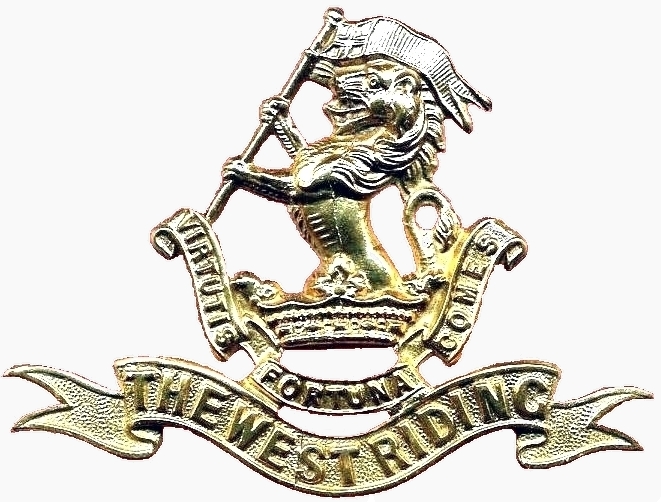
The Duke of Wellington's Regiment (West Riding) was a line infantry regiment of the British Army, forming part of the King's Division.
In 1702, Colonel George Hastings, 8th Earl of Huntingdon, was authorised to raise a new regiment, which he did in and around the city of Gloucester. As was the custom in those days the regiment was named Huntingdon's Regiment after its Colonel. As Colonel succeeded Colonel the name changed, but in 1751 regiments were given numbers, and the regiment was from that time officially known as the 33rd Regiment of Foot. In 1782, the regiment's title was changed to the 33rd (or First Yorkshire West Riding) Regiment, thus formalising an association with the West Riding of Yorkshire which, even then, had been long established. The first Duke of Wellington died in 1852 and in the following year Queen Victoria, in recognition of the regiment's long ties to him, ordered that the regiment's title be changed to the 33rd (or The Duke of Wellington's) Regiment. In 1881, following the Childers Reforms, the 33rd was linked with the 76th Regiment of Foot, who shared their depot in Halifax. The 76th had first been raised in 1745, by Simon Harcourt and disbanded in 1746, re-raised in 1756, disbanded again in 1763, before being raised again in 1777, disbanded in 1784 and finally re-raised, in 1787, for service in India, by the Honourable East India Company. The two regiments became, respectively, the 1st and 2nd battalions of the Duke of Wellington's Regiment. In 1948, the 1st and 2nd battalions were amalgamated into a single battalion, the 1st Battalion. On 6 June 2006, the 'Dukes' were amalgamated with the Prince of Wales's Own Regiment of Yorkshire and the Green Howards to form the Yorkshire Regiment (14th/15th, 19th and 33rd/76th Foot). As the youngest regiment, the 'Dukes' became the 3rd Battalion, as each battalion retained their antecedent regiment's name in brackets. Following further mergers, in 2012, the battalion was redesignated as the new 1st Battalion (1 Yorks) of the regiment. At this point, the antecedent regimental names were dropped from the battalion titles.
Battalions from the regiment had served in most land conflicts involving British forces since its formation, from the Wars of the Austrian and Spanish successions, through the American war of Independence and various campaigns in India and Africa, the Napoleonic Wars, the Second Boer War and many of the greatest battles of the First World War (the Battle of Mons, the Battle of the Somme, the Battle of Passchendaele, the Battle of Cambrai) and the Third Anglo-Afghan War in 1919. During the Second World War, the regiment fought as part of the British Expeditionary Force in France, forming part of the rearguard at Dunkirk; in North Africa; Italy and in France, following the D-Day landings, and as Chindits in Burma. In Korea, the 'Dukes' desperate defence of the Hook position halted the last major Chinese attempt to break the United Nations Line before the truce, in July 1953, brought the war to an end. In Cyprus, the battalion was successful in Operation Golden Rain, destroying a major EOKA terrorist group operating in the Troodos Mountains in 1956. In 1964, the battalion joined the NATO deterrence in Germany on the front line in the Cold War and from 1971 was regularly engaged in 'The Troubles' in Northern Ireland until 1997. They were amongst the first units to cross the border from Kuwait in the 2003 Iraq War.
Nine soldiers from the regiment have been awarded the Victoria Cross, and Corporal Wayne Mills of the 1st Battalion became the first recipient of the Conspicuous Gallantry Cross in 1994, whilst serving with the United Nations Mission in Bosnia and Herzegovina.
The Duke of Wellington's Regiment was originally formed in 1702 as Huntingdon's Regiment. As regiment designations at that time assumed the name of commanding Colonel, this unit became for example: Henry Leigh's Regiment; then Robert Duncansons Regiment and George Wade's Regiment. Disbanded on 25 March 1714, this unit was officially registered as the 33rd Regiment of Foot in January 1715 then re-raised on 25 March 1715, as George Wade's Regiment; then Henry Hawley's Regiment; Robert Dalzell's Regiment and John Johnson's Regiment.
In 1782 Lord Cornwallis, the then Colonel of the Regiment, wrote that "The 33rd Regiment of Infantry has always recruited in the West Riding of Yorkshire and has a very good interest and the general goodwill of the people in that part of the country:- I should therefore wish not only to be permitted to recruit in that county, but that my Regiment may bear the name of the 33rd or West Yorkshire Regiment". On 31 August 1782 Lord Cornwallis heard that the King had approved of the new title:- 33rd (or the First Yorkshire West Riding) Regiment of Foot.
Owing to its links with the Duke of Wellington, the title 'The Duke of Wellington's Regiment' was granted to the 33rd Regiment on 18 June 1853, on the anniversary of the Battle of Waterloo in the year following Wellington's death.
The 76th Regiment was originally raised, by Simon Harcourt as Lord Harcourt's Regiment on 17 November 1745 and disbanded in June 1746. Following the loss of Menorca, to the French, it was re-raised in November 1756 as the 61st Regiment, but renumbered to 76th, by General Order in 1758, and again disbanded in 1763. A second battalion raised by that regiment in October 1758, for service in Africa, was renumbered as the 86th Regiment and also disbanded in 1763. On 25 December 1777, the 76th was again re-raised, as the 76th Regiment of Foot (Macdonald's Highlanders), by Colonel John MacDonell of Lochgarry, in the West of Scotland and Western Isles, as a Scottish Light Infantry regiment. It was disbanded at Stirling Castle in March 1784. The regiment was again raised for service in India by the Honorable East India Company in 1787.
Hub AI
Duke of Wellington's Regiment AI simulator
(@Duke of Wellington's Regiment_simulator)
Duke of Wellington's Regiment
The Duke of Wellington's Regiment (West Riding) was a line infantry regiment of the British Army, forming part of the King's Division.
In 1702, Colonel George Hastings, 8th Earl of Huntingdon, was authorised to raise a new regiment, which he did in and around the city of Gloucester. As was the custom in those days the regiment was named Huntingdon's Regiment after its Colonel. As Colonel succeeded Colonel the name changed, but in 1751 regiments were given numbers, and the regiment was from that time officially known as the 33rd Regiment of Foot. In 1782, the regiment's title was changed to the 33rd (or First Yorkshire West Riding) Regiment, thus formalising an association with the West Riding of Yorkshire which, even then, had been long established. The first Duke of Wellington died in 1852 and in the following year Queen Victoria, in recognition of the regiment's long ties to him, ordered that the regiment's title be changed to the 33rd (or The Duke of Wellington's) Regiment. In 1881, following the Childers Reforms, the 33rd was linked with the 76th Regiment of Foot, who shared their depot in Halifax. The 76th had first been raised in 1745, by Simon Harcourt and disbanded in 1746, re-raised in 1756, disbanded again in 1763, before being raised again in 1777, disbanded in 1784 and finally re-raised, in 1787, for service in India, by the Honourable East India Company. The two regiments became, respectively, the 1st and 2nd battalions of the Duke of Wellington's Regiment. In 1948, the 1st and 2nd battalions were amalgamated into a single battalion, the 1st Battalion. On 6 June 2006, the 'Dukes' were amalgamated with the Prince of Wales's Own Regiment of Yorkshire and the Green Howards to form the Yorkshire Regiment (14th/15th, 19th and 33rd/76th Foot). As the youngest regiment, the 'Dukes' became the 3rd Battalion, as each battalion retained their antecedent regiment's name in brackets. Following further mergers, in 2012, the battalion was redesignated as the new 1st Battalion (1 Yorks) of the regiment. At this point, the antecedent regimental names were dropped from the battalion titles.
Battalions from the regiment had served in most land conflicts involving British forces since its formation, from the Wars of the Austrian and Spanish successions, through the American war of Independence and various campaigns in India and Africa, the Napoleonic Wars, the Second Boer War and many of the greatest battles of the First World War (the Battle of Mons, the Battle of the Somme, the Battle of Passchendaele, the Battle of Cambrai) and the Third Anglo-Afghan War in 1919. During the Second World War, the regiment fought as part of the British Expeditionary Force in France, forming part of the rearguard at Dunkirk; in North Africa; Italy and in France, following the D-Day landings, and as Chindits in Burma. In Korea, the 'Dukes' desperate defence of the Hook position halted the last major Chinese attempt to break the United Nations Line before the truce, in July 1953, brought the war to an end. In Cyprus, the battalion was successful in Operation Golden Rain, destroying a major EOKA terrorist group operating in the Troodos Mountains in 1956. In 1964, the battalion joined the NATO deterrence in Germany on the front line in the Cold War and from 1971 was regularly engaged in 'The Troubles' in Northern Ireland until 1997. They were amongst the first units to cross the border from Kuwait in the 2003 Iraq War.
Nine soldiers from the regiment have been awarded the Victoria Cross, and Corporal Wayne Mills of the 1st Battalion became the first recipient of the Conspicuous Gallantry Cross in 1994, whilst serving with the United Nations Mission in Bosnia and Herzegovina.
The Duke of Wellington's Regiment was originally formed in 1702 as Huntingdon's Regiment. As regiment designations at that time assumed the name of commanding Colonel, this unit became for example: Henry Leigh's Regiment; then Robert Duncansons Regiment and George Wade's Regiment. Disbanded on 25 March 1714, this unit was officially registered as the 33rd Regiment of Foot in January 1715 then re-raised on 25 March 1715, as George Wade's Regiment; then Henry Hawley's Regiment; Robert Dalzell's Regiment and John Johnson's Regiment.
In 1782 Lord Cornwallis, the then Colonel of the Regiment, wrote that "The 33rd Regiment of Infantry has always recruited in the West Riding of Yorkshire and has a very good interest and the general goodwill of the people in that part of the country:- I should therefore wish not only to be permitted to recruit in that county, but that my Regiment may bear the name of the 33rd or West Yorkshire Regiment". On 31 August 1782 Lord Cornwallis heard that the King had approved of the new title:- 33rd (or the First Yorkshire West Riding) Regiment of Foot.
Owing to its links with the Duke of Wellington, the title 'The Duke of Wellington's Regiment' was granted to the 33rd Regiment on 18 June 1853, on the anniversary of the Battle of Waterloo in the year following Wellington's death.
The 76th Regiment was originally raised, by Simon Harcourt as Lord Harcourt's Regiment on 17 November 1745 and disbanded in June 1746. Following the loss of Menorca, to the French, it was re-raised in November 1756 as the 61st Regiment, but renumbered to 76th, by General Order in 1758, and again disbanded in 1763. A second battalion raised by that regiment in October 1758, for service in Africa, was renumbered as the 86th Regiment and also disbanded in 1763. On 25 December 1777, the 76th was again re-raised, as the 76th Regiment of Foot (Macdonald's Highlanders), by Colonel John MacDonell of Lochgarry, in the West of Scotland and Western Isles, as a Scottish Light Infantry regiment. It was disbanded at Stirling Castle in March 1784. The regiment was again raised for service in India by the Honorable East India Company in 1787.
Recent media