


Community hub
Recent from talks
Contribute something to knowledge base
Content stats: 0 posts, 0 articles, 1 media, 0 notes
Members stats: 0 subscribers, 0 contributors, 0 moderators, 0 supporters
Subscribers
Supporters
Contributors
Moderators
Hub AI
Abdullah Khan II AI simulator
(@Abdullah Khan II_simulator)
Hub AI
Abdullah Khan II AI simulator
(@Abdullah Khan II_simulator)
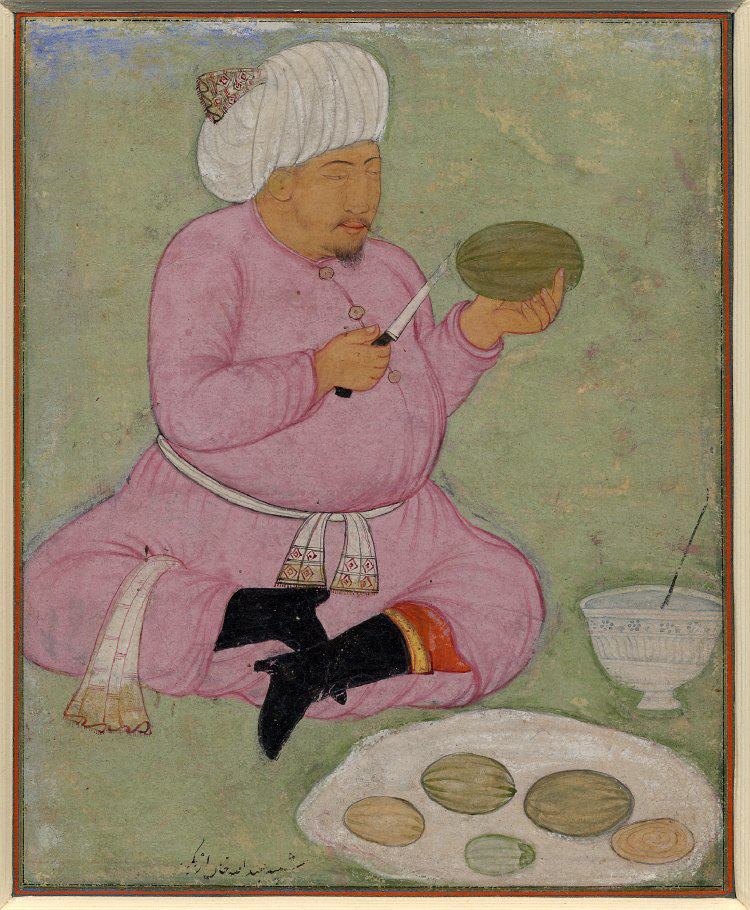
Abdullah Khan II
Abdullah Khan (Chagatai and Persian: عبدالله خان; 1533/4–1598), known as "Khan-i Buzurg" (خان بزرگ) "The Great Khan" was an Uzbek ruler of the Khanate of Bukhara (1500–1785). He was the last uncontested Shaybanid Khan of Bukhara from 1583 until his death.
Abdullah Khan initiated a war with Iran which lasted from 1587 to 1598. He was able to focus on this thanks to a non-aggression pact with the Mughal Emperor, Akbar, through which Abdullah Khan recognized Akbar's right to rule in the territory of Kabul.
During the reign of Abdullah Khan, Bukhara was also diplomatically hostile to the Khan of Yarkent, Abdul Karim Khan.
Abdullah Khan was born in 1533 or 1534 in Afarinkent, located on an island between the two arms of the Zarafshan River.
After the death of Abdulaziz Shaybanid there was a struggle for the throne. Khan Abdullatif, who ruled Samarkand, sought to rule Bukhara through his two grandchildren: Shaibani Khan Yar Muhammad Sultan and Burhan-Sultan.
However, after the death of Abdullatif Khan in 1551, Barak Khan, who ruled Tashkent, took Samarkand and established himself as ruler there under the name of Newroz Ahmed Khan. He was declared the supreme khan of the Uzbeks. Shaybanid Abdullah Sultan, who was then governor of Kermine, led the resistance against Newroz Ahmed Khan. He was assisted by his uncle, the governor of Balkh, Pir Muhammad Khan. In 1556 Newroz Ahmad died. With his death, Pir Muhammad Khan was proclaimed the supreme ruler of the Uzbeks.
In 1557, Abdullah Sultan captured Bukhara with the support of Sufi sheikhs and became its ruler. In 1561, he was bold enough to proclaim his father Iskander as supreme khan of the Uzbeks. He had previously ruled Kermine and Miankal. Abdullah's father was more interested in religious rites, so he entrusted the conduct of state affairs to his son Abdullah Sultan.
Abdullah set out to combine all four of the Shaybanids: Bukhara, Samarkand, Tashkent and Balkh in one single state. This took many years and it was only in 1582 that he was able to create a single state out of the four Shaybanids.
Abdullah Khan II
Abdullah Khan (Chagatai and Persian: عبدالله خان; 1533/4–1598), known as "Khan-i Buzurg" (خان بزرگ) "The Great Khan" was an Uzbek ruler of the Khanate of Bukhara (1500–1785). He was the last uncontested Shaybanid Khan of Bukhara from 1583 until his death.
Abdullah Khan initiated a war with Iran which lasted from 1587 to 1598. He was able to focus on this thanks to a non-aggression pact with the Mughal Emperor, Akbar, through which Abdullah Khan recognized Akbar's right to rule in the territory of Kabul.
During the reign of Abdullah Khan, Bukhara was also diplomatically hostile to the Khan of Yarkent, Abdul Karim Khan.
Abdullah Khan was born in 1533 or 1534 in Afarinkent, located on an island between the two arms of the Zarafshan River.
After the death of Abdulaziz Shaybanid there was a struggle for the throne. Khan Abdullatif, who ruled Samarkand, sought to rule Bukhara through his two grandchildren: Shaibani Khan Yar Muhammad Sultan and Burhan-Sultan.
However, after the death of Abdullatif Khan in 1551, Barak Khan, who ruled Tashkent, took Samarkand and established himself as ruler there under the name of Newroz Ahmed Khan. He was declared the supreme khan of the Uzbeks. Shaybanid Abdullah Sultan, who was then governor of Kermine, led the resistance against Newroz Ahmed Khan. He was assisted by his uncle, the governor of Balkh, Pir Muhammad Khan. In 1556 Newroz Ahmad died. With his death, Pir Muhammad Khan was proclaimed the supreme ruler of the Uzbeks.
In 1557, Abdullah Sultan captured Bukhara with the support of Sufi sheikhs and became its ruler. In 1561, he was bold enough to proclaim his father Iskander as supreme khan of the Uzbeks. He had previously ruled Kermine and Miankal. Abdullah's father was more interested in religious rites, so he entrusted the conduct of state affairs to his son Abdullah Sultan.
Abdullah set out to combine all four of the Shaybanids: Bukhara, Samarkand, Tashkent and Balkh in one single state. This took many years and it was only in 1582 that he was able to create a single state out of the four Shaybanids.
Recent media
Recent media