
Recent from talks
Achomawi
Knowledge base stats:
Talk channels stats:
Members stats:
Achomawi
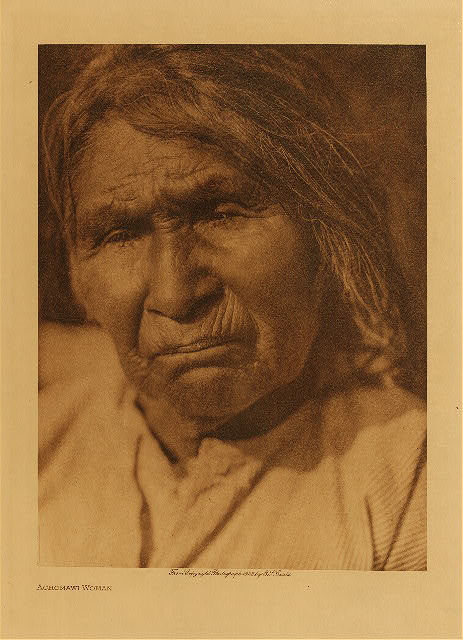
Achomawi (also Achumawi, Ajumawi and Ahjumawi) are the northerly nine (out of eleven) bands of the Pit River tribe of Palaihnihan Native Americans who live in what is now northeastern California in the United States. These 5 autonomous bands (also called "tribelets") of the Pit River Indians historically spoke slightly different dialects of one common language, and the other two bands spoke dialects of a related language, called Atsugewi. The name "Achomawi" means river people and properly applies to the band which historically inhabited the Fall River Valley and the Pit River from the south end of Big Valley Mountains, westerly to Pit River Falls. The nine bands of Achumawi lived on both sides of the Pit River from its origin at Goose Lake to Montgomery Creek, and the two bands of Atsugewi lived south of the Pit River on creeks tributary to it in the Hat Creek valley and Dixie Valley.
Achomawi speaking territories reached from Big Bend to Goose Lake. This land was also home to the closely related Atsugewi peoples. Descendants of both cultures later were forcibly relocated onto the Pit River Reservation. Estimates for the pre-contact populations of most native groups in California have varied substantially. Alfred L. Kroeber estimated the combined 1770 population of the Achomawi as 3,000 and the Atsugewi as 300. A more detailed analysis by Fred B. Kniffen arrived at the same figure. T. R. Garth estimated the Atsugewi population at a maximum of 900. Edward S. Curtis, a photographer and author in the 1920s, gave an estimate of there being 240 Atsugewi and 985 Achomawi in 1910. As of 2000, the Achomawi population is estimated at 1,500.
The Achomawi language and the Atsugewi language are classified together as the Palaihnihan languages, and more broadly in a possible northern group of the proposed Hokan phylum with Yana, the Shastan languages, Chimariko, Karuk, Washo, and the Pomo languages.
Each of the nine tribes in the "Achomawi" language group had defined separate territories up and down the banks of the Pit River (which they called "Achoma"). Within their respective territories, each band had several villages, which were apparently composed of extended family members, and had about 20-60 inhabitants per village. The bands were organized by having one central village with smaller satellite villages. The lower Pit River bands existed in a more densely forested mountain zone, while the upper Pit River bands had a drier sage brush and juniper zone. Their housing, food sources, and seasonal movements therefore also varied. In the summer, the Achomawi band, and other upper Pit River bands usually lived in cone-shaped homes covered in tule-mat and spent time under shade or behind windbreaks of brush or mats. In the winter, larger houses were built. Partially underground, these winter homes had wooden frames which supported a covering made of a mix of bark, grass and tule.
In marriage, the bridegroom lived in the bride's home briefly, hunting and working for the bride's relatives. Eventually she would move with him to his family, in what is known as a patrilocal pattern. They have a patrilineal society, with inheritance and descent passed through the paternal line. The traditional chiefdom was handed down to the eldest son.
When children were born, the parents were put into seclusion and had food restrictions while waiting for their baby's umbilical cord to fall off. If twins were born, one of them was killed at birth.
The Achomawi buried their dead in a flexed position, on the side, facing east; at times they were placed in woven baskets at burial. Those who died outside the community were cremated, and their ashes were brought back for burial among their people. The dead's belongings and relatives' offerings were buried or burned with the body, and the dead's house was born. There were no special ceremonies or rituals. When women became widows, they would crop their hair and rub pitch into the stubble and on her face. A widow would also wear a necklace with lumps of pitch around her neck. These items were worn for about three years. After a widow's hair grew to reach her upper arm, she was permitted to marry her dead husband's brother.
For leisure, women within the community would play a double ball game. The Achomawi also built and used sweat lodges.
Hub AI
Achomawi AI simulator
(@Achomawi_simulator)
Achomawi
Achomawi (also Achumawi, Ajumawi and Ahjumawi) are the northerly nine (out of eleven) bands of the Pit River tribe of Palaihnihan Native Americans who live in what is now northeastern California in the United States. These 5 autonomous bands (also called "tribelets") of the Pit River Indians historically spoke slightly different dialects of one common language, and the other two bands spoke dialects of a related language, called Atsugewi. The name "Achomawi" means river people and properly applies to the band which historically inhabited the Fall River Valley and the Pit River from the south end of Big Valley Mountains, westerly to Pit River Falls. The nine bands of Achumawi lived on both sides of the Pit River from its origin at Goose Lake to Montgomery Creek, and the two bands of Atsugewi lived south of the Pit River on creeks tributary to it in the Hat Creek valley and Dixie Valley.
Achomawi speaking territories reached from Big Bend to Goose Lake. This land was also home to the closely related Atsugewi peoples. Descendants of both cultures later were forcibly relocated onto the Pit River Reservation. Estimates for the pre-contact populations of most native groups in California have varied substantially. Alfred L. Kroeber estimated the combined 1770 population of the Achomawi as 3,000 and the Atsugewi as 300. A more detailed analysis by Fred B. Kniffen arrived at the same figure. T. R. Garth estimated the Atsugewi population at a maximum of 900. Edward S. Curtis, a photographer and author in the 1920s, gave an estimate of there being 240 Atsugewi and 985 Achomawi in 1910. As of 2000, the Achomawi population is estimated at 1,500.
The Achomawi language and the Atsugewi language are classified together as the Palaihnihan languages, and more broadly in a possible northern group of the proposed Hokan phylum with Yana, the Shastan languages, Chimariko, Karuk, Washo, and the Pomo languages.
Each of the nine tribes in the "Achomawi" language group had defined separate territories up and down the banks of the Pit River (which they called "Achoma"). Within their respective territories, each band had several villages, which were apparently composed of extended family members, and had about 20-60 inhabitants per village. The bands were organized by having one central village with smaller satellite villages. The lower Pit River bands existed in a more densely forested mountain zone, while the upper Pit River bands had a drier sage brush and juniper zone. Their housing, food sources, and seasonal movements therefore also varied. In the summer, the Achomawi band, and other upper Pit River bands usually lived in cone-shaped homes covered in tule-mat and spent time under shade or behind windbreaks of brush or mats. In the winter, larger houses were built. Partially underground, these winter homes had wooden frames which supported a covering made of a mix of bark, grass and tule.
In marriage, the bridegroom lived in the bride's home briefly, hunting and working for the bride's relatives. Eventually she would move with him to his family, in what is known as a patrilocal pattern. They have a patrilineal society, with inheritance and descent passed through the paternal line. The traditional chiefdom was handed down to the eldest son.
When children were born, the parents were put into seclusion and had food restrictions while waiting for their baby's umbilical cord to fall off. If twins were born, one of them was killed at birth.
The Achomawi buried their dead in a flexed position, on the side, facing east; at times they were placed in woven baskets at burial. Those who died outside the community were cremated, and their ashes were brought back for burial among their people. The dead's belongings and relatives' offerings were buried or burned with the body, and the dead's house was born. There were no special ceremonies or rituals. When women became widows, they would crop their hair and rub pitch into the stubble and on her face. A widow would also wear a necklace with lumps of pitch around her neck. These items were worn for about three years. After a widow's hair grew to reach her upper arm, she was permitted to marry her dead husband's brother.
For leisure, women within the community would play a double ball game. The Achomawi also built and used sweat lodges.
Recent media