


Community hub
Recent from talks
Contribute something to knowledge base
Content stats: 0 posts, 0 articles, 1 media, 0 notes
Members stats: 0 subscribers, 0 contributors, 0 moderators, 0 supporters
Subscribers
Supporters
Contributors
Moderators
Hub AI
Adjara AI simulator
(@Adjara_simulator)
Hub AI
Adjara AI simulator
(@Adjara_simulator)
Adjara
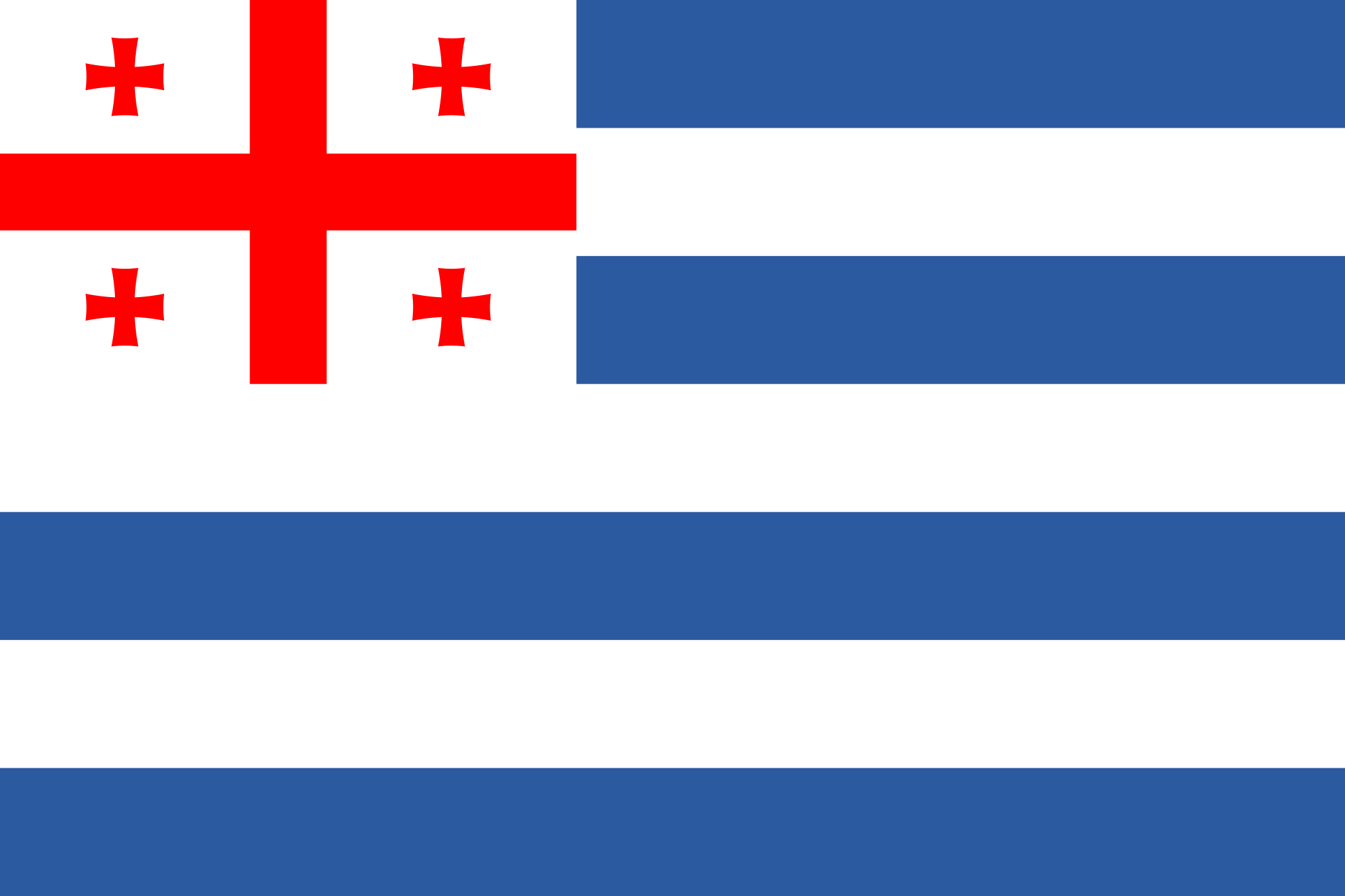
Adjara (Georgian: აჭარა Ach’ara [at͡ʃʼara] ⓘ) or Achara, officially known as the Autonomous Republic of Adjara (Georgian: აჭარის ავტონომიური რესპუბლიკა Ach’aris Avt’onomiuri Resp’ublik’a [atʃʼaris avtʼonomiuri respʼublikʼa] ⓘ), is a political-administrative region of Georgia. It is in the country's southwestern corner, on the coast of the Black Sea, near the foot of the Lesser Caucasus Mountains, north of Turkey. It is an important tourist destination and includes Georgia's second most populous city of Batumi as its capital. About 401,100 people live on its 2,880 km2 (1,110 sq mi).
Adjara is home to the Adjarians, a regional subgroup of Georgians. The name can be spelled in a number of ways: Ajara, Ajaria, Adjaria, Adzharia, Atchara and Achara. Under the Soviet Union, Adjara was part of the Georgian Soviet Socialist Republic as the Adjarian ASSR. The autonomous status of Adjara is guaranteed under article 6 of the Treaty of Kars.
Adjara was a part of Georgian polities, Colchis and Caucasian Iberia, since ancient times. Colonized by Greeks in the 5th century BC, the region fell under Rome in the 2nd century BC. It became part of the kingdom of Lazica before being incorporated into the Kingdom of Abkhazia in the 8th century AD, the latter led unification of Georgian monarchy in the 11th century.
Adjaria was occupied by several empires: the First Persian Empire (500 BC), Seljuks (11th century), Mongols (13th century), and Timurids (14th century).
The Ottomans conquered the area in 1614. Although, the Ottoman millet system allowed its subjects extensive self-governance and religious freedom, many Adjarians gradually chose to convert to Islam during the 200 years of Ottoman presence. Despite this, the population never abandoned its native Georgian tongue and avoided demographic infuence from the Ottomans. The nobility converted to Islam first. Adjarians were fully Islamized by the end of the eighteenth century.
The Ottomans were forced to cede Adjara to the expanding Russian Empire in 1878 under the Treaty of Berlin. The Berlin Treaty allowed Adjarians to leave for Turkey, keeping a provision of Section 6, article 21 of the Treaty of San Stefano. Many Adjarians emigrated to Turkey. While the Russian authorities supported the Russian Orthodox Church's missionary efforts, they also tried to win the loyalty of Adjarians by building mosques and madrassas and supporting the local Muslim clergy. As a result, many Adjarians emigrants, called Muhacir, came back to Adjara. Within Russian imperial administrative division, Adjara was called Batumi okrug, comprising Kutaisi Governorate.
In 1918, Georgia regained its independence as a democratic republic and Adjara became part of it. However, in April 1918, the Ottoman Empire invaded Georgia and captured Batumi. The operation was conducted on 13–14 April 1918, with the 37th Division entering Batumi under the command of Colonel Kâzım Karabekir.
On 4 June 1918, the Treaty of Batum was signed, under which Georgia was forced to cede Adjara to the Ottoman Empire. However, due to the Ottoman defeat in the First World War and the Treaty of Mudros, the Ottomans soon withdrew the territory. The British warship HMS Liverpool) troops in entered Batumi in 1918, and Adjara was temporarily placed under the British Military Governor James Cooke-Collis, who established the Council for the Administration of Batoum and its Region to administer the region in December 1918. The British withdrew in 1920 and Adjara rejoined the Democratic Republic of Georgia. The British administration ceded the region to the Democratic Republic of Georgia on July 20, 1920. It was granted autonomy under the Georgian constitution adopted in February 1921 when the Red Army invaded Georgia. Turkey reinvaded Adjara in March 1921, although Georgians defeated Turks in the Battle of Batumi and Ankara's government ceded the territory to Georgia under Article VI of Treaty of Kars on the condition that autonomy be provided for the Muslim population, while Turkish commodities were guaranteed free transit through the port of Batumi. The Soviets established in 1921 the Adjarian Autonomous Soviet Socialist Republic within the Georgian Soviet Socialist Republic in accord with this clause, thus Adjara remained part of Georgia. The autonomous republic was the only autonomous unit in the USSR based solely on religion. However, Stalin's definition of what constituted a nation was based on language. Without their own language, Adjars did not develop a strong sense of national identity, separate from Georgian. Moreover, the Soviet atheist ideology dampened religious practice. In the 1920s, the Ajars rebelled against the Soviet anti-Islamic activities, as well as against the collectivization reforms. The armed uprising began in the mountainous regions of Adjara in April 1929. Soviet troops were deployed in response and swiftly quelled the revolt.
Adjara
Adjara (Georgian: აჭარა Ach’ara [at͡ʃʼara] ⓘ) or Achara, officially known as the Autonomous Republic of Adjara (Georgian: აჭარის ავტონომიური რესპუბლიკა Ach’aris Avt’onomiuri Resp’ublik’a [atʃʼaris avtʼonomiuri respʼublikʼa] ⓘ), is a political-administrative region of Georgia. It is in the country's southwestern corner, on the coast of the Black Sea, near the foot of the Lesser Caucasus Mountains, north of Turkey. It is an important tourist destination and includes Georgia's second most populous city of Batumi as its capital. About 401,100 people live on its 2,880 km2 (1,110 sq mi).
Adjara is home to the Adjarians, a regional subgroup of Georgians. The name can be spelled in a number of ways: Ajara, Ajaria, Adjaria, Adzharia, Atchara and Achara. Under the Soviet Union, Adjara was part of the Georgian Soviet Socialist Republic as the Adjarian ASSR. The autonomous status of Adjara is guaranteed under article 6 of the Treaty of Kars.
Adjara was a part of Georgian polities, Colchis and Caucasian Iberia, since ancient times. Colonized by Greeks in the 5th century BC, the region fell under Rome in the 2nd century BC. It became part of the kingdom of Lazica before being incorporated into the Kingdom of Abkhazia in the 8th century AD, the latter led unification of Georgian monarchy in the 11th century.
Adjaria was occupied by several empires: the First Persian Empire (500 BC), Seljuks (11th century), Mongols (13th century), and Timurids (14th century).
The Ottomans conquered the area in 1614. Although, the Ottoman millet system allowed its subjects extensive self-governance and religious freedom, many Adjarians gradually chose to convert to Islam during the 200 years of Ottoman presence. Despite this, the population never abandoned its native Georgian tongue and avoided demographic infuence from the Ottomans. The nobility converted to Islam first. Adjarians were fully Islamized by the end of the eighteenth century.
The Ottomans were forced to cede Adjara to the expanding Russian Empire in 1878 under the Treaty of Berlin. The Berlin Treaty allowed Adjarians to leave for Turkey, keeping a provision of Section 6, article 21 of the Treaty of San Stefano. Many Adjarians emigrated to Turkey. While the Russian authorities supported the Russian Orthodox Church's missionary efforts, they also tried to win the loyalty of Adjarians by building mosques and madrassas and supporting the local Muslim clergy. As a result, many Adjarians emigrants, called Muhacir, came back to Adjara. Within Russian imperial administrative division, Adjara was called Batumi okrug, comprising Kutaisi Governorate.
In 1918, Georgia regained its independence as a democratic republic and Adjara became part of it. However, in April 1918, the Ottoman Empire invaded Georgia and captured Batumi. The operation was conducted on 13–14 April 1918, with the 37th Division entering Batumi under the command of Colonel Kâzım Karabekir.
On 4 June 1918, the Treaty of Batum was signed, under which Georgia was forced to cede Adjara to the Ottoman Empire. However, due to the Ottoman defeat in the First World War and the Treaty of Mudros, the Ottomans soon withdrew the territory. The British warship HMS Liverpool) troops in entered Batumi in 1918, and Adjara was temporarily placed under the British Military Governor James Cooke-Collis, who established the Council for the Administration of Batoum and its Region to administer the region in December 1918. The British withdrew in 1920 and Adjara rejoined the Democratic Republic of Georgia. The British administration ceded the region to the Democratic Republic of Georgia on July 20, 1920. It was granted autonomy under the Georgian constitution adopted in February 1921 when the Red Army invaded Georgia. Turkey reinvaded Adjara in March 1921, although Georgians defeated Turks in the Battle of Batumi and Ankara's government ceded the territory to Georgia under Article VI of Treaty of Kars on the condition that autonomy be provided for the Muslim population, while Turkish commodities were guaranteed free transit through the port of Batumi. The Soviets established in 1921 the Adjarian Autonomous Soviet Socialist Republic within the Georgian Soviet Socialist Republic in accord with this clause, thus Adjara remained part of Georgia. The autonomous republic was the only autonomous unit in the USSR based solely on religion. However, Stalin's definition of what constituted a nation was based on language. Without their own language, Adjars did not develop a strong sense of national identity, separate from Georgian. Moreover, the Soviet atheist ideology dampened religious practice. In the 1920s, the Ajars rebelled against the Soviet anti-Islamic activities, as well as against the collectivization reforms. The armed uprising began in the mountainous regions of Adjara in April 1929. Soviet troops were deployed in response and swiftly quelled the revolt.
Recent media
Recent media