
Recent from talks
Adrian Ross
Knowledge base stats:
Talk channels stats:
Members stats:
Adrian Ross
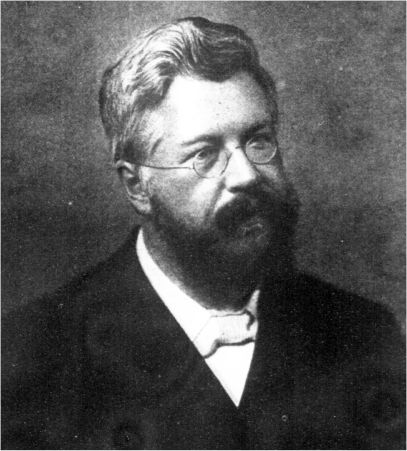
Arthur Reed Ropes (23 December 1859 – 11 September 1933), better known under the pseudonym Adrian Ross, was a prolific English writer of lyrics, contributing songs to more than sixty British musical comedies in the late 19th and early 20th centuries. He was the most important lyricist of the British stage during a career that spanned five decades. At a time when few shows had long runs, nineteen of his West End shows ran for over 400 performances.
Starting out in the late 1880s, Ross wrote the lyrics for the earliest British musical theatre hits, including In Town (1892), The Shop Girl (1894) and The Circus Girl (1896). Ross next wrote the lyrics for a string of hit musicals, beginning with A Greek Slave (1898), San Toy (1899), The Messenger Boy (1900) and The Toreador (1901) and continuing without a break through World War I. He also wrote the English lyrics for a series of hit adaptations of European operettas beginning with The Merry Widow in 1907.
During World War I, Ross was one of the founders of the Performing Rights Society. He continued writing until 1930, producing several more successes after the war. He also wrote the popular novel The Hole of the Pit and a number of short stories.
Ross was born in Lewisham, London. He was the youngest son and fourth child of Ellen Harriet Ropes née Hall, of Scarborough, and William Hooper Ropes, a Russian merchant. Ross's parents lived in Normandy, France, but sent him to school in London at Priory House School in Clapton, Mill Hill School, and the City of London School. He later attended King's College, Cambridge, where, in 1881, he won the Chancellor's Medal for English verse for his poem "Temple Bar", and also won the Members' Prize for the English essay. In 1883 he graduated with a first-class degree, winning the Lightfoot scholarship for history and a Whewell scholarship for international law. He was elected a fellow of the College.
He was a Cambridge University graduate and don, teaching history and poetry from 1884 to 1890 and writing serious and comic verse of his own, the first volume of which was published in 1884. In 1889, he published "A Sketch of the History of Europe". He was also a translator of French and German literature under his own name. He created the fictitious name "Adrian Ross" due to a concern that writing musicals would compromise his academic career.
During a brief illness in 1883 after catching cold at the University Boat Race, Ross used the lonely time in bed to write the libretto of an entertainment entitled A Double Event. This was produced at St. George's Hall, London in 1884 with music by Arthur Law, and Ross used the name "Arthur Reed". His next work for the stage, also as Arthur Reed, was the book and lyrics for a musical burlesque, Faddimir (1889 at the Opera Comique), with music by fellow Cambridge graduate, F. Osmond Carr.
The piece earned enough praise so that the impresario George Edwardes commissioned the two to write another burlesque, together with the comic actor John Lloyd Shine, called Joan of Arc. Songs from the piece included "I Went to Find Emin", "Round the Town", and "Jack the Dandy-O". Joan of Arc opened in 1891 at the Opera Comique starring Arthur Roberts and Marion Hood; he wrote under the pseudonym Adrian Ross, which he used for the rest of his career. The piece was a hit, lasting for almost eight hundred performances, and Ross resigned from Cambridge. To supplement his income from theatre writing, Ross became a contributor to such journals as Punch, Sketch, Sphere and The World, and he joined the staff of Ariel in 1891–1892. He wrote in The Tatler under the pseudonym Bran Pie and in 1893 published an edition of Lady Mary Wortley Montague's Letters. He also published numerous French texts for the Pitt Press series.
Ross and Carr's next work, in collaboration with James T. Tanner, was In Town (1892), a smart, contemporary tale of backstage and society goings-on. This left behind the earlier Gaiety burlesques and helped set the new fashion for the series of modern-dress Gaiety Theatre shows that quickly spread to other theatres and dominated British musical theatre. For his next piece, Morocco Bound (1893, with the song "Marguerite from Monte Carlo"), Ross concentrated on writing lyrics, leaving the "book" mostly to Arthur Branscombe. This proved to be his most successful model through most of his career. The position of "lyricist" was relatively new, as previously the writers of libretti would invariably write the lyrics themselves. As the new Edwardes-produced "musical comedies" took the place of burlesque, comic opera and operetta on the stage, Ross and Harry Greenbank established the usefulness of a separate lyricist.
Hub AI
Adrian Ross AI simulator
(@Adrian Ross_simulator)
Adrian Ross
Arthur Reed Ropes (23 December 1859 – 11 September 1933), better known under the pseudonym Adrian Ross, was a prolific English writer of lyrics, contributing songs to more than sixty British musical comedies in the late 19th and early 20th centuries. He was the most important lyricist of the British stage during a career that spanned five decades. At a time when few shows had long runs, nineteen of his West End shows ran for over 400 performances.
Starting out in the late 1880s, Ross wrote the lyrics for the earliest British musical theatre hits, including In Town (1892), The Shop Girl (1894) and The Circus Girl (1896). Ross next wrote the lyrics for a string of hit musicals, beginning with A Greek Slave (1898), San Toy (1899), The Messenger Boy (1900) and The Toreador (1901) and continuing without a break through World War I. He also wrote the English lyrics for a series of hit adaptations of European operettas beginning with The Merry Widow in 1907.
During World War I, Ross was one of the founders of the Performing Rights Society. He continued writing until 1930, producing several more successes after the war. He also wrote the popular novel The Hole of the Pit and a number of short stories.
Ross was born in Lewisham, London. He was the youngest son and fourth child of Ellen Harriet Ropes née Hall, of Scarborough, and William Hooper Ropes, a Russian merchant. Ross's parents lived in Normandy, France, but sent him to school in London at Priory House School in Clapton, Mill Hill School, and the City of London School. He later attended King's College, Cambridge, where, in 1881, he won the Chancellor's Medal for English verse for his poem "Temple Bar", and also won the Members' Prize for the English essay. In 1883 he graduated with a first-class degree, winning the Lightfoot scholarship for history and a Whewell scholarship for international law. He was elected a fellow of the College.
He was a Cambridge University graduate and don, teaching history and poetry from 1884 to 1890 and writing serious and comic verse of his own, the first volume of which was published in 1884. In 1889, he published "A Sketch of the History of Europe". He was also a translator of French and German literature under his own name. He created the fictitious name "Adrian Ross" due to a concern that writing musicals would compromise his academic career.
During a brief illness in 1883 after catching cold at the University Boat Race, Ross used the lonely time in bed to write the libretto of an entertainment entitled A Double Event. This was produced at St. George's Hall, London in 1884 with music by Arthur Law, and Ross used the name "Arthur Reed". His next work for the stage, also as Arthur Reed, was the book and lyrics for a musical burlesque, Faddimir (1889 at the Opera Comique), with music by fellow Cambridge graduate, F. Osmond Carr.
The piece earned enough praise so that the impresario George Edwardes commissioned the two to write another burlesque, together with the comic actor John Lloyd Shine, called Joan of Arc. Songs from the piece included "I Went to Find Emin", "Round the Town", and "Jack the Dandy-O". Joan of Arc opened in 1891 at the Opera Comique starring Arthur Roberts and Marion Hood; he wrote under the pseudonym Adrian Ross, which he used for the rest of his career. The piece was a hit, lasting for almost eight hundred performances, and Ross resigned from Cambridge. To supplement his income from theatre writing, Ross became a contributor to such journals as Punch, Sketch, Sphere and The World, and he joined the staff of Ariel in 1891–1892. He wrote in The Tatler under the pseudonym Bran Pie and in 1893 published an edition of Lady Mary Wortley Montague's Letters. He also published numerous French texts for the Pitt Press series.
Ross and Carr's next work, in collaboration with James T. Tanner, was In Town (1892), a smart, contemporary tale of backstage and society goings-on. This left behind the earlier Gaiety burlesques and helped set the new fashion for the series of modern-dress Gaiety Theatre shows that quickly spread to other theatres and dominated British musical theatre. For his next piece, Morocco Bound (1893, with the song "Marguerite from Monte Carlo"), Ross concentrated on writing lyrics, leaving the "book" mostly to Arthur Branscombe. This proved to be his most successful model through most of his career. The position of "lyricist" was relatively new, as previously the writers of libretti would invariably write the lyrics themselves. As the new Edwardes-produced "musical comedies" took the place of burlesque, comic opera and operetta on the stage, Ross and Harry Greenbank established the usefulness of a separate lyricist.
Recent media