
Recent from talks
Aeneas Mackintosh
Knowledge base stats:
Talk channels stats:
Members stats:
Aeneas Mackintosh
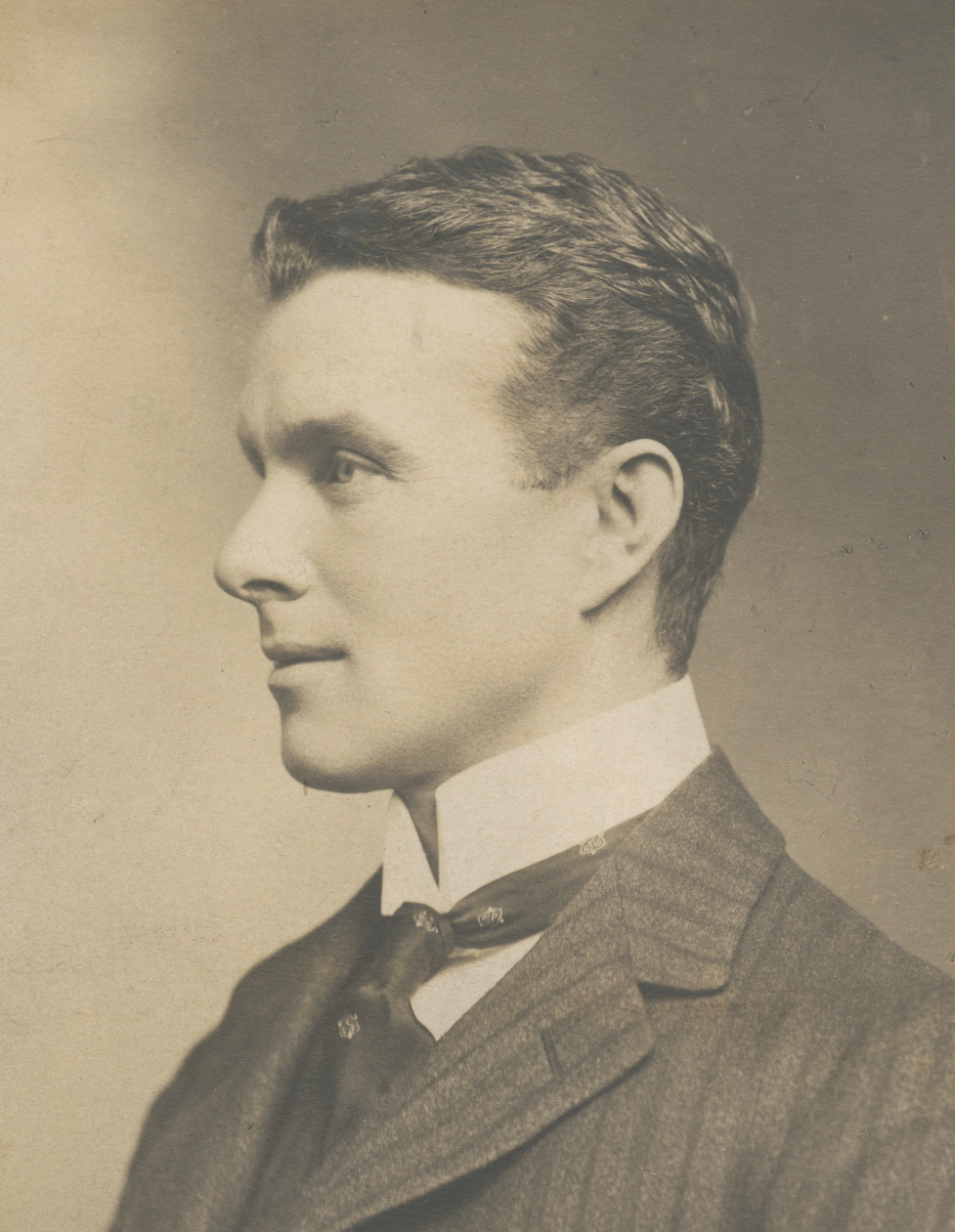
Aeneas Lionel Acton Mackintosh (1 July 1879 – 8 May 1916) was a British Merchant Navy officer and Antarctic explorer who commanded the Ross Sea party as part of Sir Ernest Shackleton's Imperial Trans-Antarctic Expedition, 1914–1917. The Ross Sea party's mission was to support Shackleton's proposed transcontinental march by laying supply depots along the latter stages of the march's intended route. In the face of persistent setbacks and practical difficulties, Mackintosh's party fulfilled its task, although he and two others died in the course of their duties.
Mackintosh's first Antarctic experience was as second officer on Shackleton's Nimrod expedition, 1907–1909. Shortly after his arrival in the Antarctic, a shipboard accident destroyed his right eye, and he was sent back to New Zealand. He returned in 1909 to participate in the later stages of the expedition; his will and determination in adversity impressed Shackleton, and led to his Ross Sea party appointment in 1914.
Having brought his party to the Antarctic, Mackintosh was faced with numerous difficulties. Confused and vague orders meant he was uncertain of the timing of Shackleton's proposed march. His problems were compounded when the party's ship, SY Aurora, was swept from its winter moorings during a gale and was unable to return, causing the loss of vital equipment and supplies. In carrying out the party's depot-laying task, one man died; Mackintosh barely survived, owing his life to the actions of his comrades who brought him to safety. Restored to health, he and a companion disappeared while attempting to return to the expedition's base camp by crossing the unstable sea ice.
Mackintosh's competence and leadership skills have been questioned by polar historians. Shackleton commended the work of the party, and equated the sacrifice of their lives to those given in the trenches of the First World War, but was critical of Mackintosh's organising skills. Years later, Shackleton's son, Lord Shackleton, identified Mackintosh as one of the expedition's heroes, alongside Ernest Joyce and Dick Richards.
Mackintosh was born in Tirhut (in what was then British India), on 1 July 1879. He was one of six children (five sons and a daughter) of a Scottish indigo planter, Alexander Mackintosh, a descendant from the chieftains of Clan Chattan. Aeneas would in due course be named as an heir to the chieftainship, and to the ancient seat at Inverness that went with it. When Aeneas was still a young child, his mother, Annie Mackintosh, suddenly returned to Britain, bringing the children with her. The reasons for the family rift are unknown, but it was evidently permanent. His father had Bright's disease and remained in India. Mackintosh never saw him again but remained fond of him, writing regularly; his father kept every letter but they were found unopened when his father died. At home in Bedfordshire, Mackintosh attended Bedford Modern School. He then followed the same path as had Ernest Shackleton five years earlier, leaving school at the age of 16 to go to sea. After serving a tough Merchant Officer's apprenticeship, he joined the P and O Line, and remained with this company until he was recruited by Shackleton's Nimrod expedition, which sailed for Antarctica in 1907. Before the expedition's departure Mackintosh was commissioned as a sub lieutenant in the Royal Naval Reserve.
The Nimrod Expedition, 1907–1909, was the first of three Antarctic expeditions led by Ernest Shackleton. Its objective, as stated by Shackleton, was to "proceed to the Ross Quadrant of the Antarctic with a view to reaching the Geographical South Pole and the South Magnetic Pole". Mackintosh was recommended to Shackleton as a suitable officer by the P & O Line, and soon earned Shackleton's confidence while impressing his fellow-officers with his will and determination. While the expedition was in New Zealand, Shackleton added Mackintosh to the shore party, as a likely candidate for the polar march. On 31 January 1908, not long after Nimrod's arrival at McMurdo Sound in the Antarctic, Mackintosh was assisting in the transfer of sledging gear aboard ship when a hook swung across the deck and struck his right eye, virtually destroying it. He was immediately taken to the captain's cabin where, later that day, expedition doctor Eric Marshall operated to remove the eye, using partly improvised surgical equipment. Marshall was deeply impressed by Mackintosh's fortitude, observing that "no man could have taken it better."
The accident cost Mackintosh his place on the shore party, and required his return to New Zealand for further treatment. He took no part in the main events of the expedition, but returned south with Nimrod in January 1909, to participate in the closing stages. Shackleton, who had earlier fallen out with the ship's master, Rupert England, had wanted Mackintosh to captain Nimrod on this voyage, but the eye injury had not healed sufficiently to make this appointment possible. On 1 January 1909, on its return to Antarctica, Nimrod was stopped by the ice, still 25 miles (40 km) from the expedition's shore base at Cape Royds. Mackintosh decided that he would cross this stretch of ice on foot. Historian Beau Riffenburgh describes the journey that followed as "one of the most ill-considered parts of the entire expedition". Mackintosh's party, which left the ship on the morning of 3 January, consisted of Mackintosh and three sailors, with a sledge containing supplies and a large mailbag. Two sailors quickly returned to the ship, while Mackintosh and one companion went forward. They camped on the ice that evening, only to find next day that the whole area around them had broken up. After a desperate dash over the moving ice floes, they managed to reach a small glacier tongue. Mackintosh later wrote about the near-death experience:
Our luck was in and we pulled the sledge a little way up the face of the ice and unpacked it. We were on terra firma! But none too soon for fifteen minutes later there was open water where we had gained the land!
Hub AI
Aeneas Mackintosh AI simulator
(@Aeneas Mackintosh_simulator)
Aeneas Mackintosh
Aeneas Lionel Acton Mackintosh (1 July 1879 – 8 May 1916) was a British Merchant Navy officer and Antarctic explorer who commanded the Ross Sea party as part of Sir Ernest Shackleton's Imperial Trans-Antarctic Expedition, 1914–1917. The Ross Sea party's mission was to support Shackleton's proposed transcontinental march by laying supply depots along the latter stages of the march's intended route. In the face of persistent setbacks and practical difficulties, Mackintosh's party fulfilled its task, although he and two others died in the course of their duties.
Mackintosh's first Antarctic experience was as second officer on Shackleton's Nimrod expedition, 1907–1909. Shortly after his arrival in the Antarctic, a shipboard accident destroyed his right eye, and he was sent back to New Zealand. He returned in 1909 to participate in the later stages of the expedition; his will and determination in adversity impressed Shackleton, and led to his Ross Sea party appointment in 1914.
Having brought his party to the Antarctic, Mackintosh was faced with numerous difficulties. Confused and vague orders meant he was uncertain of the timing of Shackleton's proposed march. His problems were compounded when the party's ship, SY Aurora, was swept from its winter moorings during a gale and was unable to return, causing the loss of vital equipment and supplies. In carrying out the party's depot-laying task, one man died; Mackintosh barely survived, owing his life to the actions of his comrades who brought him to safety. Restored to health, he and a companion disappeared while attempting to return to the expedition's base camp by crossing the unstable sea ice.
Mackintosh's competence and leadership skills have been questioned by polar historians. Shackleton commended the work of the party, and equated the sacrifice of their lives to those given in the trenches of the First World War, but was critical of Mackintosh's organising skills. Years later, Shackleton's son, Lord Shackleton, identified Mackintosh as one of the expedition's heroes, alongside Ernest Joyce and Dick Richards.
Mackintosh was born in Tirhut (in what was then British India), on 1 July 1879. He was one of six children (five sons and a daughter) of a Scottish indigo planter, Alexander Mackintosh, a descendant from the chieftains of Clan Chattan. Aeneas would in due course be named as an heir to the chieftainship, and to the ancient seat at Inverness that went with it. When Aeneas was still a young child, his mother, Annie Mackintosh, suddenly returned to Britain, bringing the children with her. The reasons for the family rift are unknown, but it was evidently permanent. His father had Bright's disease and remained in India. Mackintosh never saw him again but remained fond of him, writing regularly; his father kept every letter but they were found unopened when his father died. At home in Bedfordshire, Mackintosh attended Bedford Modern School. He then followed the same path as had Ernest Shackleton five years earlier, leaving school at the age of 16 to go to sea. After serving a tough Merchant Officer's apprenticeship, he joined the P and O Line, and remained with this company until he was recruited by Shackleton's Nimrod expedition, which sailed for Antarctica in 1907. Before the expedition's departure Mackintosh was commissioned as a sub lieutenant in the Royal Naval Reserve.
The Nimrod Expedition, 1907–1909, was the first of three Antarctic expeditions led by Ernest Shackleton. Its objective, as stated by Shackleton, was to "proceed to the Ross Quadrant of the Antarctic with a view to reaching the Geographical South Pole and the South Magnetic Pole". Mackintosh was recommended to Shackleton as a suitable officer by the P & O Line, and soon earned Shackleton's confidence while impressing his fellow-officers with his will and determination. While the expedition was in New Zealand, Shackleton added Mackintosh to the shore party, as a likely candidate for the polar march. On 31 January 1908, not long after Nimrod's arrival at McMurdo Sound in the Antarctic, Mackintosh was assisting in the transfer of sledging gear aboard ship when a hook swung across the deck and struck his right eye, virtually destroying it. He was immediately taken to the captain's cabin where, later that day, expedition doctor Eric Marshall operated to remove the eye, using partly improvised surgical equipment. Marshall was deeply impressed by Mackintosh's fortitude, observing that "no man could have taken it better."
The accident cost Mackintosh his place on the shore party, and required his return to New Zealand for further treatment. He took no part in the main events of the expedition, but returned south with Nimrod in January 1909, to participate in the closing stages. Shackleton, who had earlier fallen out with the ship's master, Rupert England, had wanted Mackintosh to captain Nimrod on this voyage, but the eye injury had not healed sufficiently to make this appointment possible. On 1 January 1909, on its return to Antarctica, Nimrod was stopped by the ice, still 25 miles (40 km) from the expedition's shore base at Cape Royds. Mackintosh decided that he would cross this stretch of ice on foot. Historian Beau Riffenburgh describes the journey that followed as "one of the most ill-considered parts of the entire expedition". Mackintosh's party, which left the ship on the morning of 3 January, consisted of Mackintosh and three sailors, with a sledge containing supplies and a large mailbag. Two sailors quickly returned to the ship, while Mackintosh and one companion went forward. They camped on the ice that evening, only to find next day that the whole area around them had broken up. After a desperate dash over the moving ice floes, they managed to reach a small glacier tongue. Mackintosh later wrote about the near-death experience:
Our luck was in and we pulled the sledge a little way up the face of the ice and unpacked it. We were on terra firma! But none too soon for fifteen minutes later there was open water where we had gained the land!
Recent media