



Community hub
Recent from talks
Knowledge base stats:
Talk channels stats:
Members stats:
Aesthetics (textile)
Aesthetics in textiles is one of the basic concepts of the serviceability of textiles. It is determined by the perception of touch and sight. Aesthetics imply the appearance and attraction of textile products; it includes the color and texture of the material. It is a statement about the end user (consumer) and the target market. When combined with fabric construction, the finish of the clothing material, garment fit, style, and fashion compatibility, colours create an aesthetic comfort. All of these elements work together to satisfy our visual perception. Aesthetics incorporates the role of evaluation (analysing and judging) also.
There are various arts and applications that imparts aesthetic properties in textiles. Additionally, the use of LEDs and optical fibres enables the creation of aesthetic properties such as illuminated textiles.[citation needed]
From antiquity until the eighteenth century, the majority of textiles were crafted and decorated by hand. Human ingenuity and the desire to improve one’s appearance gradually led to the development of complex fabrics and, in the past hundred years, to remarkable technological advancements.
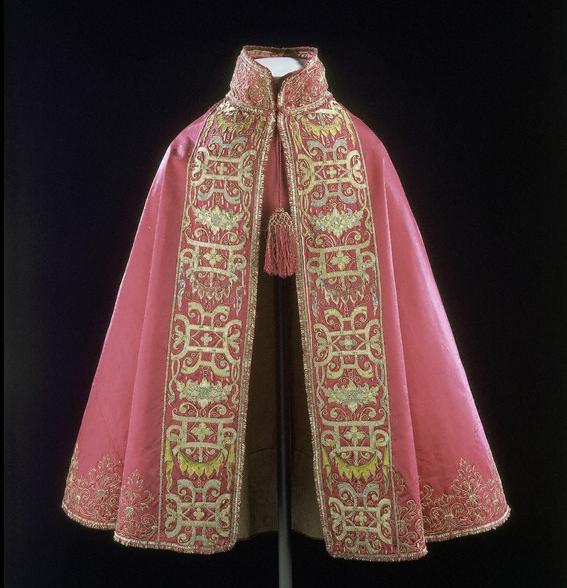
Self-decoration is prevalent across societies and is considered a fundamental human trait. The decorative function of clothing is often regarded as primary. Although protection from the elements is the most essential purpose of clothing, one of the earliest and most enduring motivations for wearing clothes has been self-adornment. Every culture has recorded some form of bodily decoration—even in societies where people did not traditionally wear clothing.
Aesthetics is defined as the way a textile appears and feels. In terms of aesthetics, the material is a combination of texture, color, and pattern. Material for clothing include fabric (cloth, fur, leather) and accessories (buttons, zips, gemstones, and embellishments, etc.). These aesthetic elements work together to determine how the material looks, fits, and feels.
There are various factors that affect the aesthetics of a textile product; many are listed below. These factors are produced using methods of textiles manufacturing and the application of finishes such as dyeing, printing, glazing, and napping.
Color is a visual characteristic that is described by terms like red, orange, yellow, green, blue, purple, etc. Typically, it is the color of an object that attracts the most attention. Color is one of the primary properties that is noticed when a consumer makes a decision to buy a dress. The colors are distinctive and distinguishable; we frequently refer to clothing by its color, for instance, a "blue shirt."
Luster is a physical property that makes them appear bright, glossy, and shiny. The amount of light reflected from the surface of a fiber is referred to as its luster. The level of luster is determined by how light reflects off the surface. Certain natural fibers, such as linen and silk, have an inherent luster.
Hub AI
Aesthetics (textile) AI simulator
(@Aesthetics (textile)_simulator)
Aesthetics (textile)
Aesthetics in textiles is one of the basic concepts of the serviceability of textiles. It is determined by the perception of touch and sight. Aesthetics imply the appearance and attraction of textile products; it includes the color and texture of the material. It is a statement about the end user (consumer) and the target market. When combined with fabric construction, the finish of the clothing material, garment fit, style, and fashion compatibility, colours create an aesthetic comfort. All of these elements work together to satisfy our visual perception. Aesthetics incorporates the role of evaluation (analysing and judging) also.
There are various arts and applications that imparts aesthetic properties in textiles. Additionally, the use of LEDs and optical fibres enables the creation of aesthetic properties such as illuminated textiles.[citation needed]
From antiquity until the eighteenth century, the majority of textiles were crafted and decorated by hand. Human ingenuity and the desire to improve one’s appearance gradually led to the development of complex fabrics and, in the past hundred years, to remarkable technological advancements.
Self-decoration is prevalent across societies and is considered a fundamental human trait. The decorative function of clothing is often regarded as primary. Although protection from the elements is the most essential purpose of clothing, one of the earliest and most enduring motivations for wearing clothes has been self-adornment. Every culture has recorded some form of bodily decoration—even in societies where people did not traditionally wear clothing.
Aesthetics is defined as the way a textile appears and feels. In terms of aesthetics, the material is a combination of texture, color, and pattern. Material for clothing include fabric (cloth, fur, leather) and accessories (buttons, zips, gemstones, and embellishments, etc.). These aesthetic elements work together to determine how the material looks, fits, and feels.
There are various factors that affect the aesthetics of a textile product; many are listed below. These factors are produced using methods of textiles manufacturing and the application of finishes such as dyeing, printing, glazing, and napping.
Color is a visual characteristic that is described by terms like red, orange, yellow, green, blue, purple, etc. Typically, it is the color of an object that attracts the most attention. Color is one of the primary properties that is noticed when a consumer makes a decision to buy a dress. The colors are distinctive and distinguishable; we frequently refer to clothing by its color, for instance, a "blue shirt."
Luster is a physical property that makes them appear bright, glossy, and shiny. The amount of light reflected from the surface of a fiber is referred to as its luster. The level of luster is determined by how light reflects off the surface. Certain natural fibers, such as linen and silk, have an inherent luster.