
Recent from talks
Afar people
Knowledge base stats:
Talk channels stats:
Members stats:
Afar people
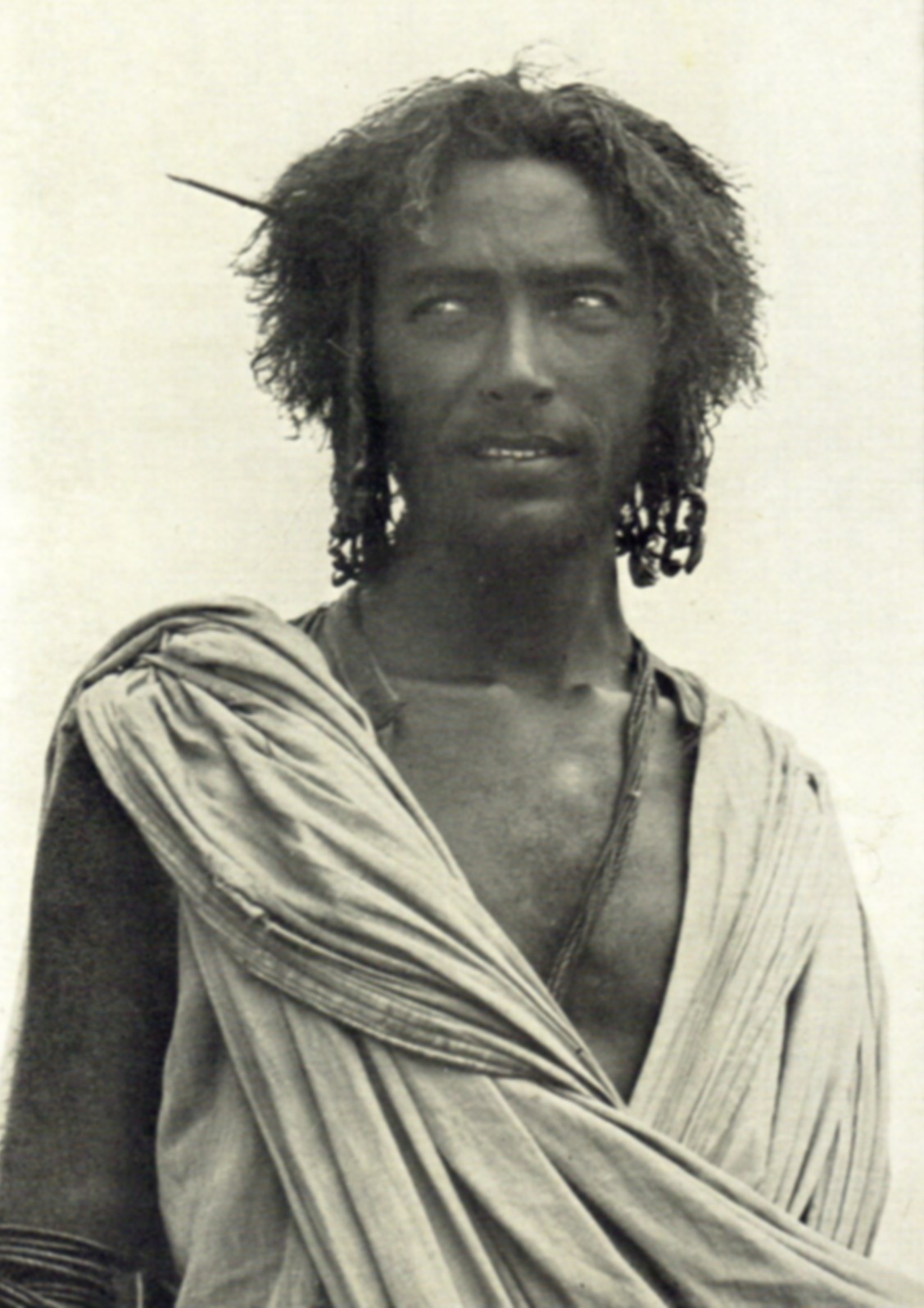
The Afar (Afar: Qafár), also known as the Danakil, Adali and Odali, are a Cushitic ethnic group inhabiting the Horn of Africa. They primarily live in the Afar Region of Ethiopia and in northern Djibouti, as well as the entire southern coast of Eritrea. The Afar speak the Afar language, which is part of the East Cushitic branch of the Afroasiatic family. Afars are the only inhabitants of the Horn of Africa whose traditional territories border both the Red Sea and the Gulf of Aden.
The etymology of the term "Dankali" can be traced back to the Afar language and is derived from the words "dan" (meaning "people" or "nation") and "kali" (referring to the Afar Region). The term has been used for centuries to refer to the Afar people, their language, culture, and way of life.[citation needed]
The earliest surviving written mention of the Afar is from the 13th-century Andalusian writer Ibn Sa'id, who reports of a people called Dankal, inhabiting an area which extended from the port of Suakin, to as far south as Mandeb, near Zeila.
The Afar are consistently mentioned in Ethiopian records. They are first mentioned in the royal chronicles of Emperor Amda Seyon in a campaign beyond the Awash River. The Afar country was originally known in Ethiopian records as "Adal", a word that was used to denote the area of the lower Awash River to the country north of Lake Abbe, which G.W.B Huntingford describes as a "Danakil state in heavily forested region with permeant water and swamps". The chronicler describes the Afars as being "very tall with ugly faces" and that their hair was plaited like that of women so that it "reached to their waists". The chronicler was greatly impressed by their military prowess, as he states that they were "great fighters", for when they went into battle "they tied the ends of their garments, one man to the next, that they might not flee".
They are again mentioned over a century later in the royal chronicles of Emperor Baeda Maryam. According to his chronicler the ruler of the Danakil offered to intervene and help in the Emperor's campaign against their neighbors, the Dobe'a. He sent the Emperor a horse, a mule laden with dates, a shield, and two spears to show his support, along with a message saying, "I have set up my camp, O my master, with the intention of stopping these people. If they are your enemies, I will not let them pass, and will seize them."
According to 16th century Portuguese explorer Francisco Álvares, the Kingdom of Dankali was confined by Abyssinia to its west and Adal Sultanate in the east. He also described that the Afar salt trade was extremely lucrative in the area. The mineral he adds, were considered very cheap in the Afar country, but was very valuable by the time it got to Shewa.
Afar society has traditionally been organized into independent kingdoms, each ruled by its own Sultan. Among these were the Sultanate of Aussa, Sultanate of Girrifo/Biru, Sultanate of Tadjourah, Sultanate of Rahaito, and Sultanate of Gobaad. In 1577, the Adal leader Imam Muhammed Jasa moved his capital from Harar to Aussa in modern Afar region. In 1647, the rulers of the Emirate of Harar broke away to form their own polity. Harari imams continued to have a presence in the southern Afar Region until they were overthrown in the eighteenth century by the Mudaito dynasty of Afar who later established the Sultanate of Aussa. The primary symbol of the Sultan was a silver baton, which was considered to have magical properties.
The Afar are divided into two subgroups, the Asaimara ("Red Men") and the Adoimara ("White Men"). The Asaimara were regraded as the nobility, whereas the Adoimara were seen as inferior stock. These groups are further subdivided into upwards of 150 sub-tribes, the chief tribe of the Asaimara was the Mudaito in the south, to which the sultan of Aussa belonged to. The Modaitos who occupied the region of the lower Awash, were the most powerful tribe, and no European traversed their territory without claiming the right of hospitality or the brotherhood of blood. Some Afars helped the Europeans by providing, for a fee, the security of Western caravans that circulated between the southern coast of the Red Sea and central Ethiopia. The Afars were also heavily active in the Red Sea slave trade, serving as guides to Arab slave traders. A major slave route to Arabia crossed through Afar country, with Afars reportedly still actively trading in slaves as recently as 1928.
Hub AI
Afar people AI simulator
(@Afar people_simulator)
Afar people
The Afar (Afar: Qafár), also known as the Danakil, Adali and Odali, are a Cushitic ethnic group inhabiting the Horn of Africa. They primarily live in the Afar Region of Ethiopia and in northern Djibouti, as well as the entire southern coast of Eritrea. The Afar speak the Afar language, which is part of the East Cushitic branch of the Afroasiatic family. Afars are the only inhabitants of the Horn of Africa whose traditional territories border both the Red Sea and the Gulf of Aden.
The etymology of the term "Dankali" can be traced back to the Afar language and is derived from the words "dan" (meaning "people" or "nation") and "kali" (referring to the Afar Region). The term has been used for centuries to refer to the Afar people, their language, culture, and way of life.[citation needed]
The earliest surviving written mention of the Afar is from the 13th-century Andalusian writer Ibn Sa'id, who reports of a people called Dankal, inhabiting an area which extended from the port of Suakin, to as far south as Mandeb, near Zeila.
The Afar are consistently mentioned in Ethiopian records. They are first mentioned in the royal chronicles of Emperor Amda Seyon in a campaign beyond the Awash River. The Afar country was originally known in Ethiopian records as "Adal", a word that was used to denote the area of the lower Awash River to the country north of Lake Abbe, which G.W.B Huntingford describes as a "Danakil state in heavily forested region with permeant water and swamps". The chronicler describes the Afars as being "very tall with ugly faces" and that their hair was plaited like that of women so that it "reached to their waists". The chronicler was greatly impressed by their military prowess, as he states that they were "great fighters", for when they went into battle "they tied the ends of their garments, one man to the next, that they might not flee".
They are again mentioned over a century later in the royal chronicles of Emperor Baeda Maryam. According to his chronicler the ruler of the Danakil offered to intervene and help in the Emperor's campaign against their neighbors, the Dobe'a. He sent the Emperor a horse, a mule laden with dates, a shield, and two spears to show his support, along with a message saying, "I have set up my camp, O my master, with the intention of stopping these people. If they are your enemies, I will not let them pass, and will seize them."
According to 16th century Portuguese explorer Francisco Álvares, the Kingdom of Dankali was confined by Abyssinia to its west and Adal Sultanate in the east. He also described that the Afar salt trade was extremely lucrative in the area. The mineral he adds, were considered very cheap in the Afar country, but was very valuable by the time it got to Shewa.
Afar society has traditionally been organized into independent kingdoms, each ruled by its own Sultan. Among these were the Sultanate of Aussa, Sultanate of Girrifo/Biru, Sultanate of Tadjourah, Sultanate of Rahaito, and Sultanate of Gobaad. In 1577, the Adal leader Imam Muhammed Jasa moved his capital from Harar to Aussa in modern Afar region. In 1647, the rulers of the Emirate of Harar broke away to form their own polity. Harari imams continued to have a presence in the southern Afar Region until they were overthrown in the eighteenth century by the Mudaito dynasty of Afar who later established the Sultanate of Aussa. The primary symbol of the Sultan was a silver baton, which was considered to have magical properties.
The Afar are divided into two subgroups, the Asaimara ("Red Men") and the Adoimara ("White Men"). The Asaimara were regraded as the nobility, whereas the Adoimara were seen as inferior stock. These groups are further subdivided into upwards of 150 sub-tribes, the chief tribe of the Asaimara was the Mudaito in the south, to which the sultan of Aussa belonged to. The Modaitos who occupied the region of the lower Awash, were the most powerful tribe, and no European traversed their territory without claiming the right of hospitality or the brotherhood of blood. Some Afars helped the Europeans by providing, for a fee, the security of Western caravans that circulated between the southern coast of the Red Sea and central Ethiopia. The Afars were also heavily active in the Red Sea slave trade, serving as guides to Arab slave traders. A major slave route to Arabia crossed through Afar country, with Afars reportedly still actively trading in slaves as recently as 1928.
Recent media