
Recent from talks
Agriculture in Australia
Knowledge base stats:
Talk channels stats:
Members stats:
Agriculture in Australia
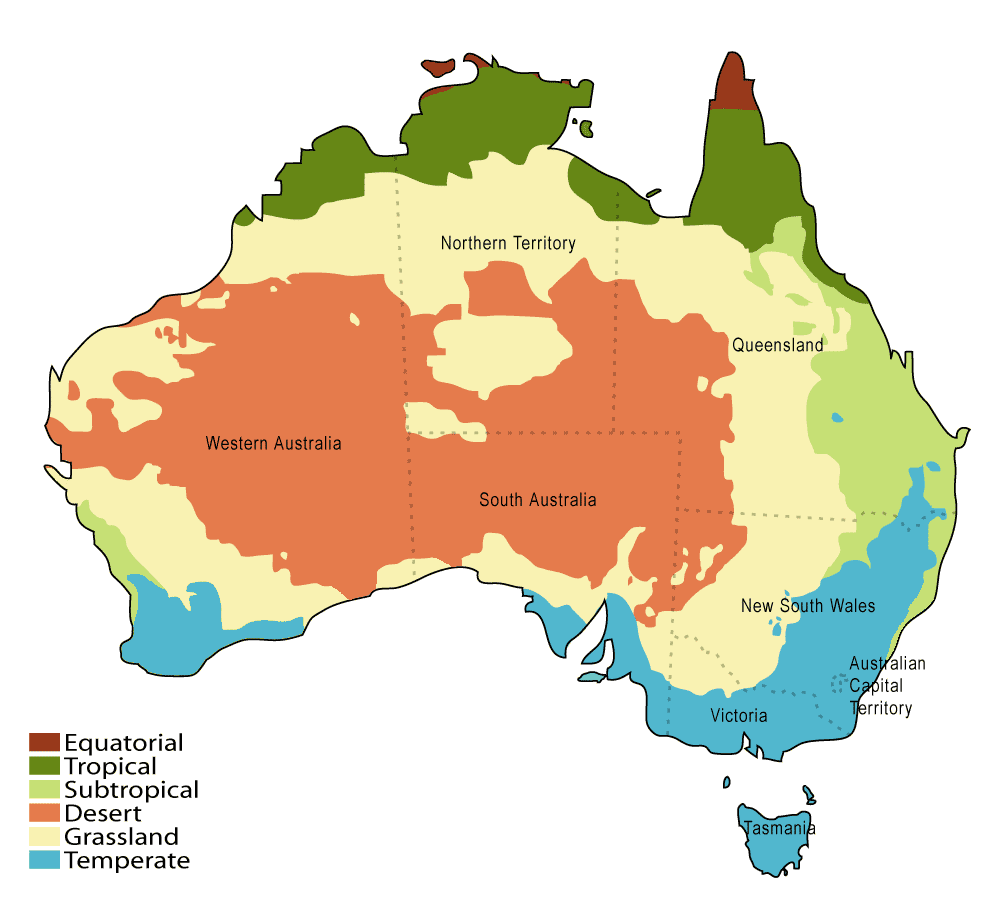
Although Australia is mostly arid, the nation is a major agricultural producer and exporter, with around 421,000 people employed in agriculture, forestry and fishing as of 2023. Agriculture's farm gate output was $100 billion a year for a 5.7% share of GDP in 2023. Farmers and grazers own 135,997 farms, covering 61% of Australia's landmass. Across the country, there is a mix of irrigation and dry-land farming. The success of Australia in becoming a major agricultural power despite the odds is facilitated by its policies of long-term visions and promotion of agricultural reforms that greatly increased the country's agricultural industry.
There are three main zones: the high rainfall zone of Tasmania and a narrow coastal zone (used principally for dairying and beef production); wheat, sheep zone (cropping (principally winter crops), and the grazing of sheep (for wool, lamb and mutton) plus beef cattle) and the pastoral zone (characterised by low rainfall, less fertile soils, and large scale pastoral activities involving the grazing of beef cattle and sheep for wool and mutton). An indicator of the viability of agriculture in the state of South Australia is whether the land is within Goyder's Line.
Agriculture in Australia has a lively history. Aboriginal Australians have been variously described as hunter-gatherer-cultivators and proto-farmers, as there is evidence that farming activities were undertaken prior to the arrival of Europeans, including tilling, planting and irrigating. However, these practices were non-industrialised and complementary to hunting, gathering and fishing. Whether the people could be termed agriculturalists is controversial. In 1788, the first European settlers brought agricultural technology from their homelands which radically changed the dominant practices. After some initial failures, wool dominated in the 19th century and, in the first half of the 20th century, dairying increased in its popularity, driven by technological changes like canning and refrigeration.
Meat exports were very significant in the development of Australian agriculture. By 1925, there were 54 export freezing works, capable of killing 6000 cattle and 90,000 sheep and lambs daily. Initially, the meat for British markets had to be frozen, but later beef could be exported chilled.
At the turn of the millennium, Australia produced a large variety of primary products for export and domestic consumption. Australia's production in the first five years was as follows:
Australia's main crops were contrasting in preferred climate: sugar cane (typical of tropical countries), wheat and barley (typical of cold countries).[citation needed]
In 2018, Australia was the world's largest producer of lupin bean (714 thousand tons), the world's second largest producer of chickpeas (1 million tons), the world's fourth largest producer of barley (9.2 million tons) and oats (1.2 million tons), the 5th largest producer of rapeseed (3.9 million tons), the 9th largest producer of sugarcane (33.5 million tons) and wheat (20.9 million tons) and the 13th largest producer of grape (1.66 million tons). In the same year, the country also produced 1.2 million tons of sorghum, 1.1 million tons of potato, in addition to smaller productions of other agricultural products, such as rice (635 thousand tons), maize (387 thousand tons), tomato (386 thousand tons), orange (378 thousand tons), fava beans (377 thousand tons), banana (373 thousand tons), pea (317 thousand tons), carrot (284 thousand tons), onion (278 thousand tons), apple (268 thousand tons), lentils (255 thousand tons), melon (224 thousand tons), watermelon (181 thousand tons), tangerine (138 thousand tons) etc.
Late in 2019, the COVID-19 pandemic began, and Australian agriculture was heavily impacted by the resulting supply chain issues. The scarcity of freight space and disruption to Chinese New Year purchases was particularly painful, with China being Australia's largest export market and a particularly large buyer of live seafood.
Hub AI
Agriculture in Australia AI simulator
(@Agriculture in Australia_simulator)
Agriculture in Australia
Although Australia is mostly arid, the nation is a major agricultural producer and exporter, with around 421,000 people employed in agriculture, forestry and fishing as of 2023. Agriculture's farm gate output was $100 billion a year for a 5.7% share of GDP in 2023. Farmers and grazers own 135,997 farms, covering 61% of Australia's landmass. Across the country, there is a mix of irrigation and dry-land farming. The success of Australia in becoming a major agricultural power despite the odds is facilitated by its policies of long-term visions and promotion of agricultural reforms that greatly increased the country's agricultural industry.
There are three main zones: the high rainfall zone of Tasmania and a narrow coastal zone (used principally for dairying and beef production); wheat, sheep zone (cropping (principally winter crops), and the grazing of sheep (for wool, lamb and mutton) plus beef cattle) and the pastoral zone (characterised by low rainfall, less fertile soils, and large scale pastoral activities involving the grazing of beef cattle and sheep for wool and mutton). An indicator of the viability of agriculture in the state of South Australia is whether the land is within Goyder's Line.
Agriculture in Australia has a lively history. Aboriginal Australians have been variously described as hunter-gatherer-cultivators and proto-farmers, as there is evidence that farming activities were undertaken prior to the arrival of Europeans, including tilling, planting and irrigating. However, these practices were non-industrialised and complementary to hunting, gathering and fishing. Whether the people could be termed agriculturalists is controversial. In 1788, the first European settlers brought agricultural technology from their homelands which radically changed the dominant practices. After some initial failures, wool dominated in the 19th century and, in the first half of the 20th century, dairying increased in its popularity, driven by technological changes like canning and refrigeration.
Meat exports were very significant in the development of Australian agriculture. By 1925, there were 54 export freezing works, capable of killing 6000 cattle and 90,000 sheep and lambs daily. Initially, the meat for British markets had to be frozen, but later beef could be exported chilled.
At the turn of the millennium, Australia produced a large variety of primary products for export and domestic consumption. Australia's production in the first five years was as follows:
Australia's main crops were contrasting in preferred climate: sugar cane (typical of tropical countries), wheat and barley (typical of cold countries).[citation needed]
In 2018, Australia was the world's largest producer of lupin bean (714 thousand tons), the world's second largest producer of chickpeas (1 million tons), the world's fourth largest producer of barley (9.2 million tons) and oats (1.2 million tons), the 5th largest producer of rapeseed (3.9 million tons), the 9th largest producer of sugarcane (33.5 million tons) and wheat (20.9 million tons) and the 13th largest producer of grape (1.66 million tons). In the same year, the country also produced 1.2 million tons of sorghum, 1.1 million tons of potato, in addition to smaller productions of other agricultural products, such as rice (635 thousand tons), maize (387 thousand tons), tomato (386 thousand tons), orange (378 thousand tons), fava beans (377 thousand tons), banana (373 thousand tons), pea (317 thousand tons), carrot (284 thousand tons), onion (278 thousand tons), apple (268 thousand tons), lentils (255 thousand tons), melon (224 thousand tons), watermelon (181 thousand tons), tangerine (138 thousand tons) etc.
Late in 2019, the COVID-19 pandemic began, and Australian agriculture was heavily impacted by the resulting supply chain issues. The scarcity of freight space and disruption to Chinese New Year purchases was particularly painful, with China being Australia's largest export market and a particularly large buyer of live seafood.
Recent media