
Recent from talks
Ahmet Rıza
Knowledge base stats:
Talk channels stats:
Members stats:
Ahmet Rıza
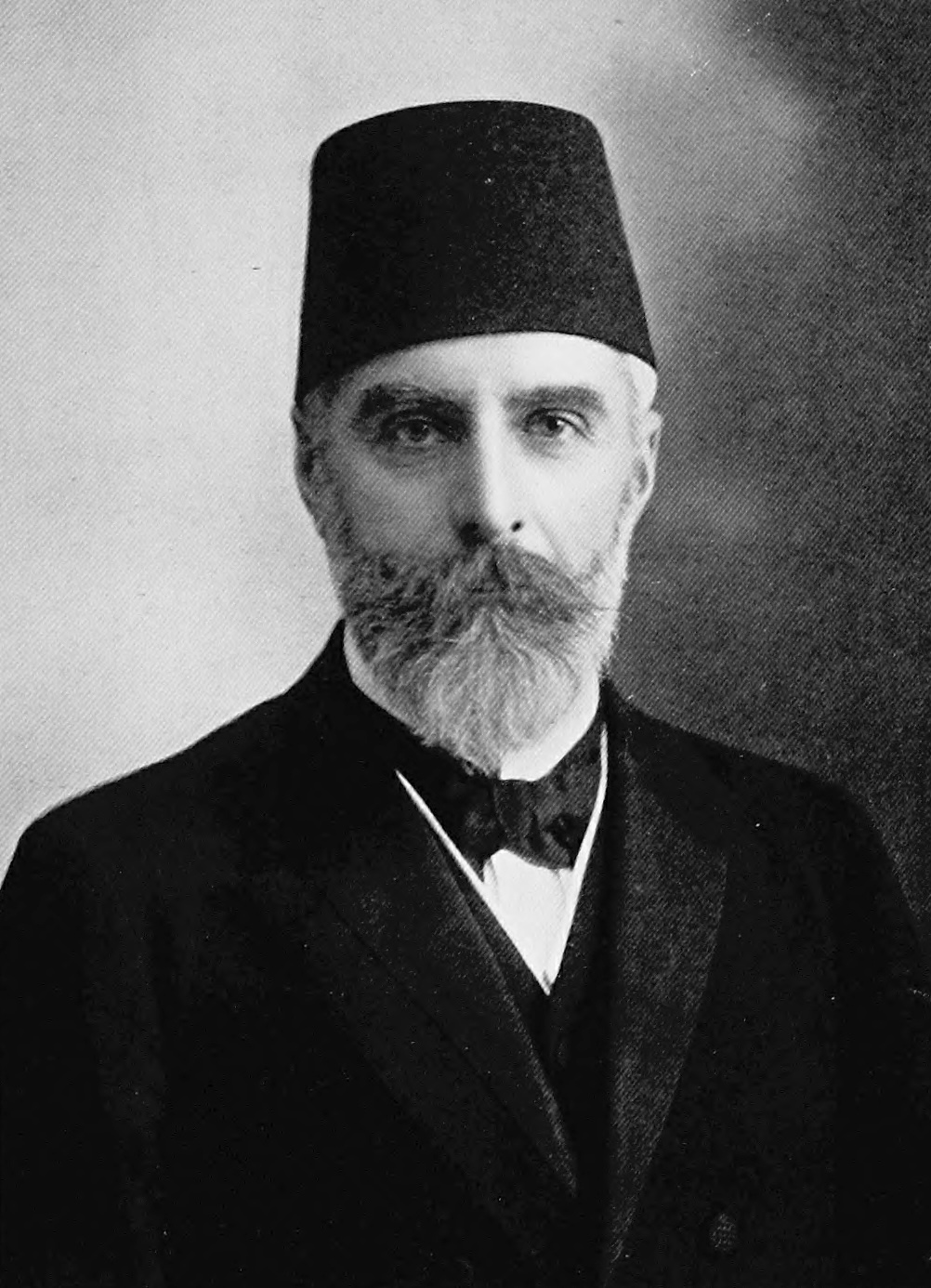
Ahmet Rıza Bey (1858 – 26 February 1930) was an Ottoman educator, activist, revolutionary, intellectual, politician, polymath, and a prominent Young Turk. He was also an early leader of the Committee of Union and Progress.
During the nearly twenty years he lived in Paris, he led the Paris branch of the Committee of Ottoman Union, which would later be named the Committee of Union and Progress, and together with Doctor Nâzım Bey he founded the Meşveret, the first official publication of the society, where he was exiled. In addition to his work as an opposition leader, Rıza doubled as a positivist ideologue.
Following the 1908 revolution he was proclaimed as the "Father of Liberty" and became the first President of the revived Chamber of Deputies, the lower house of the Ottoman Parliament. By 1910 he distanced himself from the CUP as it turned more radical and authoritarian. In 1912, he was appointed as a Senator. He was the leading negotiator during the failed talks for a military alliance between the Ottoman Empire, France, and Britain for World War I. During the war, he was one of the only politicians who opposed and condemned the Armenian genocide while it was ongoing. In the Armistice Era he was appointed as president of the Senate and prosecuted his former Unionist comrades. After a falling out with Damat Ferid Pasha he once again went to France, where he supported Mustafa Kemal Pasha (Atatürk)'s Nationalists. He returned to Turkey after the signing of the Treaty of Lausanne.
Ahmed Rıza was born in Istanbul in 1858 to a family that was in public service for generations, the eldest of seven children. He was the son of Ali Rıza Bey a statesman and Senator. Ahmet's grandfather was the Minister of Agriculture and Mint, also named Ali Rıza. Ahmet's great-grandfather was Kemankeş Efendi, Sultan Selim III's Sır Kâtibi (Secret Secretary); His father was a Turkish kadı that served in Egypt. Ahmet's father was nicknamed İngiliz ("Englishman") because of his command of the English language and admiration of Britain. His mother, Fräulein Turban, was born in Munich but of Hungarian origin. She moved to Vienna, where she met İngiliz while he was on a diplomatic mission, and converted to Islam to marry him, taking the name Naile Sabıka Hanım. Among Ahmet's siblings, his youngest sister was Selma Rıza, who became the first female Turkish journalist.
Under his mother's influence he was raised with a Western education with private tutors. Having contracted asthma he was interested in poetry in his childhood and composed several poems in the family farm in Vaniköy. During this period he was interested in hunting and gardening, and even wrote the first book on hunting in Turkey.
Ahmet Rıza received a Western style education, having attended the Beylerbeyi Rüşdiye, thereafter the Mahrec-i Aklâm and then the Mekteb-i Sultânî (modern Galatasaray High School). After graduation, he began a career in civil service by working at the Sublime Porte's Translation Office. With the dissolution of the Ottoman Parliament, Ahmet joined his father to his exile to Ilgın, Konya. While accompanying his father to his exile, he saw the poor conditions of the peasants. The journey made Rıza concerned of their well-being and he wished to introduce them to modern cultivation methods, which led him to study agriculture in France. In 1884 he graduated from Grignon University with a degree in agricultural engineering. While in Paris he discovered the positivist ideas of Auguste Comte and Jean-François Robinet.
He returned to the Ottoman Empire when he heard of the death of his father right before he was to take his final exams. He tried to use his education to establish an enterprise using the latest agricultural techniques, but he wasn't successful. He applied for a civil service position at the Ministry of Agriculture, but his efforts were unsuccessful. Rıza was appointed as a principal and chemistry teacher at a school in Bursa, and soon became director of education of the city.[clarification needed] But being pessimistic about significant reform he decided to go back to France to begin an opposition movement.
In 1889 Rıza moved to Paris where he found an apartment on Rue Monge in the 5th arrondissement, arriving to participate in the exhibition organized for the centenary of the French Revolution. Rıza initially maintained a quiet life making a living as a translator in the French judicial system. At Sorbonne University, he attended Pierre Laffitte's lectures on positivism and natural history. This wasn't the first time he encountered positivism, he had earlier read Jean-François Eugène Robinet’s biography of Auguste Comte. He was influenced by Laffitte's thoughts about Islam and Eastern civilization in particular. Laffitte believed that Islam was the most advanced religion, so it was easy for Muslims to embrace positivism. Ahmet Rıza became one of the most active members of the Société Positiviste, and served as a Muslim or Ottoman representative in conferences meant to spread positivism internationally, or to create a "United States of Europe".
Hub AI
Ahmet Rıza AI simulator
(@Ahmet Rıza_simulator)
Ahmet Rıza
Ahmet Rıza Bey (1858 – 26 February 1930) was an Ottoman educator, activist, revolutionary, intellectual, politician, polymath, and a prominent Young Turk. He was also an early leader of the Committee of Union and Progress.
During the nearly twenty years he lived in Paris, he led the Paris branch of the Committee of Ottoman Union, which would later be named the Committee of Union and Progress, and together with Doctor Nâzım Bey he founded the Meşveret, the first official publication of the society, where he was exiled. In addition to his work as an opposition leader, Rıza doubled as a positivist ideologue.
Following the 1908 revolution he was proclaimed as the "Father of Liberty" and became the first President of the revived Chamber of Deputies, the lower house of the Ottoman Parliament. By 1910 he distanced himself from the CUP as it turned more radical and authoritarian. In 1912, he was appointed as a Senator. He was the leading negotiator during the failed talks for a military alliance between the Ottoman Empire, France, and Britain for World War I. During the war, he was one of the only politicians who opposed and condemned the Armenian genocide while it was ongoing. In the Armistice Era he was appointed as president of the Senate and prosecuted his former Unionist comrades. After a falling out with Damat Ferid Pasha he once again went to France, where he supported Mustafa Kemal Pasha (Atatürk)'s Nationalists. He returned to Turkey after the signing of the Treaty of Lausanne.
Ahmed Rıza was born in Istanbul in 1858 to a family that was in public service for generations, the eldest of seven children. He was the son of Ali Rıza Bey a statesman and Senator. Ahmet's grandfather was the Minister of Agriculture and Mint, also named Ali Rıza. Ahmet's great-grandfather was Kemankeş Efendi, Sultan Selim III's Sır Kâtibi (Secret Secretary); His father was a Turkish kadı that served in Egypt. Ahmet's father was nicknamed İngiliz ("Englishman") because of his command of the English language and admiration of Britain. His mother, Fräulein Turban, was born in Munich but of Hungarian origin. She moved to Vienna, where she met İngiliz while he was on a diplomatic mission, and converted to Islam to marry him, taking the name Naile Sabıka Hanım. Among Ahmet's siblings, his youngest sister was Selma Rıza, who became the first female Turkish journalist.
Under his mother's influence he was raised with a Western education with private tutors. Having contracted asthma he was interested in poetry in his childhood and composed several poems in the family farm in Vaniköy. During this period he was interested in hunting and gardening, and even wrote the first book on hunting in Turkey.
Ahmet Rıza received a Western style education, having attended the Beylerbeyi Rüşdiye, thereafter the Mahrec-i Aklâm and then the Mekteb-i Sultânî (modern Galatasaray High School). After graduation, he began a career in civil service by working at the Sublime Porte's Translation Office. With the dissolution of the Ottoman Parliament, Ahmet joined his father to his exile to Ilgın, Konya. While accompanying his father to his exile, he saw the poor conditions of the peasants. The journey made Rıza concerned of their well-being and he wished to introduce them to modern cultivation methods, which led him to study agriculture in France. In 1884 he graduated from Grignon University with a degree in agricultural engineering. While in Paris he discovered the positivist ideas of Auguste Comte and Jean-François Robinet.
He returned to the Ottoman Empire when he heard of the death of his father right before he was to take his final exams. He tried to use his education to establish an enterprise using the latest agricultural techniques, but he wasn't successful. He applied for a civil service position at the Ministry of Agriculture, but his efforts were unsuccessful. Rıza was appointed as a principal and chemistry teacher at a school in Bursa, and soon became director of education of the city.[clarification needed] But being pessimistic about significant reform he decided to go back to France to begin an opposition movement.
In 1889 Rıza moved to Paris where he found an apartment on Rue Monge in the 5th arrondissement, arriving to participate in the exhibition organized for the centenary of the French Revolution. Rıza initially maintained a quiet life making a living as a translator in the French judicial system. At Sorbonne University, he attended Pierre Laffitte's lectures on positivism and natural history. This wasn't the first time he encountered positivism, he had earlier read Jean-François Eugène Robinet’s biography of Auguste Comte. He was influenced by Laffitte's thoughts about Islam and Eastern civilization in particular. Laffitte believed that Islam was the most advanced religion, so it was easy for Muslims to embrace positivism. Ahmet Rıza became one of the most active members of the Société Positiviste, and served as a Muslim or Ottoman representative in conferences meant to spread positivism internationally, or to create a "United States of Europe".
Recent media