
Recent from talks
Alabama Claims
Knowledge base stats:
Talk channels stats:
Members stats:
Alabama Claims
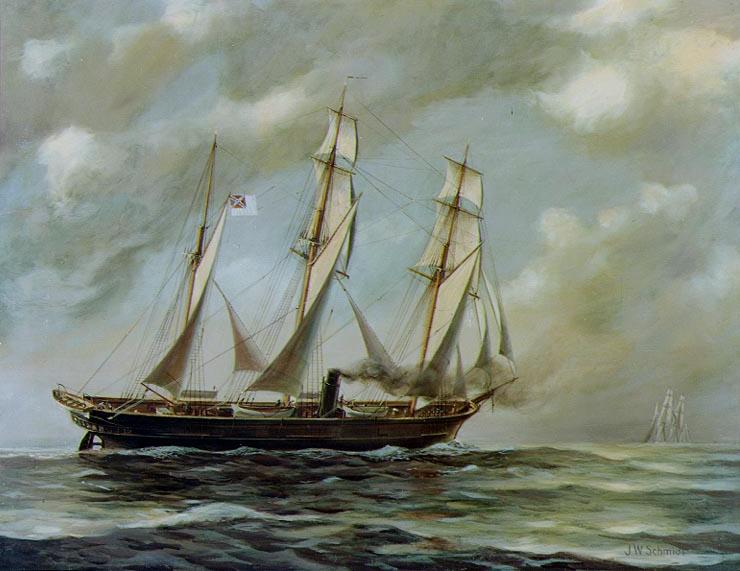
The Alabama Claims were a series of demands for damages sought by the government of the United States from the United Kingdom in 1869, for the attacks upon Union merchant ships by Confederate Navy commerce raiders built in British shipyards during the American Civil War. The claims focused chiefly on the most famous of these raiders, the CSS Alabama, which took more than sixty prizes before she was sunk off the French coast in 1864.
After international arbitration endorsed the American position in 1872, Britain settled the matter by paying the United States $15.5 million, ending the dispute and leading to a treaty that restored friendly relations between Britain and the United States. That international arbitration established a precedent, and the case aroused interest in codifying public international law. The case too resulted in the warming of relations between Britain and the US, which had begun the 1800s as rivals, and ended the century as something of partners.
The British Prime Minister Lord Palmerston and Foreign Secretary Lord John Russell failed to stop the Alabama from putting to sea from the shipyards of John Laird Sons and Company in Birkenhead. The United States Legation in London had explicitly opposed this, and the American Minister to Britain, Charles Francis Adams, charged that the ship was bound for the Confederacy, where it would be used against the United States.
Though both the Prime Minister and Foreign Secretary were thought to favor the Confederacy at the time of Alabama's construction, British public opinion was divided on the issue, and MPs such as Richard Cobden campaigned against it. The subsequent departure of the Alabama proved to be publicly embarrassing, and Palmerston and Russell were later forced to admit that the ship should not have been allowed to depart. The Government had requested advice from the Lord Chief Justice of England and Wales, Sir Alexander Cockburn, who ruled that her release did not violate Britain's neutrality, because she was not outfitted with guns at the time that she left British ports.
In the next year, Britain detained two ironclad warships constructed in Birkenhead and destined for the Confederacy. As a result of the uproar over the Alabama, Palmerston instructed the British Admiralty to tender an offer for the purchase of the ships. They had been bought by a go-between, Monsieur Bravay of Paris (who had ordered their construction as an intermediary for Confederate principals).
In what were called the Alabama Claims, in 1869 the United States claimed direct and collateral damage against Great Britain. In the particular case of the Alabama, the United States claimed that Britain had violated neutrality by allowing five warships to be constructed, especially the Alabama, knowing that it would eventually enter into naval service with the Confederacy.
Other particulars included the following: In the summer of 1862, the British-built steam warship Oreto was delivered to Nassau in the Bahamas with the secret understanding that it would be later transferred to the Confederate States Navy. Upon transfer, it was commissioned CSS Florida. British Royal Navy Admiral George Willes Watson (1827–1897) aided the transfer, and Watson's actions were reviewed by the tribunal.
Other warships included the CSS Shenandoah (built at Alexander Stephen and Sons in Glasgow), CSS Lark (built at John Laird and Sons, like the Alabama), and CSS Tallahassee (built at J & W Dudgeon in London).
Hub AI
Alabama Claims AI simulator
(@Alabama Claims_simulator)
Alabama Claims
The Alabama Claims were a series of demands for damages sought by the government of the United States from the United Kingdom in 1869, for the attacks upon Union merchant ships by Confederate Navy commerce raiders built in British shipyards during the American Civil War. The claims focused chiefly on the most famous of these raiders, the CSS Alabama, which took more than sixty prizes before she was sunk off the French coast in 1864.
After international arbitration endorsed the American position in 1872, Britain settled the matter by paying the United States $15.5 million, ending the dispute and leading to a treaty that restored friendly relations between Britain and the United States. That international arbitration established a precedent, and the case aroused interest in codifying public international law. The case too resulted in the warming of relations between Britain and the US, which had begun the 1800s as rivals, and ended the century as something of partners.
The British Prime Minister Lord Palmerston and Foreign Secretary Lord John Russell failed to stop the Alabama from putting to sea from the shipyards of John Laird Sons and Company in Birkenhead. The United States Legation in London had explicitly opposed this, and the American Minister to Britain, Charles Francis Adams, charged that the ship was bound for the Confederacy, where it would be used against the United States.
Though both the Prime Minister and Foreign Secretary were thought to favor the Confederacy at the time of Alabama's construction, British public opinion was divided on the issue, and MPs such as Richard Cobden campaigned against it. The subsequent departure of the Alabama proved to be publicly embarrassing, and Palmerston and Russell were later forced to admit that the ship should not have been allowed to depart. The Government had requested advice from the Lord Chief Justice of England and Wales, Sir Alexander Cockburn, who ruled that her release did not violate Britain's neutrality, because she was not outfitted with guns at the time that she left British ports.
In the next year, Britain detained two ironclad warships constructed in Birkenhead and destined for the Confederacy. As a result of the uproar over the Alabama, Palmerston instructed the British Admiralty to tender an offer for the purchase of the ships. They had been bought by a go-between, Monsieur Bravay of Paris (who had ordered their construction as an intermediary for Confederate principals).
In what were called the Alabama Claims, in 1869 the United States claimed direct and collateral damage against Great Britain. In the particular case of the Alabama, the United States claimed that Britain had violated neutrality by allowing five warships to be constructed, especially the Alabama, knowing that it would eventually enter into naval service with the Confederacy.
Other particulars included the following: In the summer of 1862, the British-built steam warship Oreto was delivered to Nassau in the Bahamas with the secret understanding that it would be later transferred to the Confederate States Navy. Upon transfer, it was commissioned CSS Florida. British Royal Navy Admiral George Willes Watson (1827–1897) aided the transfer, and Watson's actions were reviewed by the tribunal.
Other warships included the CSS Shenandoah (built at Alexander Stephen and Sons in Glasgow), CSS Lark (built at John Laird and Sons, like the Alabama), and CSS Tallahassee (built at J & W Dudgeon in London).
Recent media